Explore the LD4D Feed Baskets Data Hub
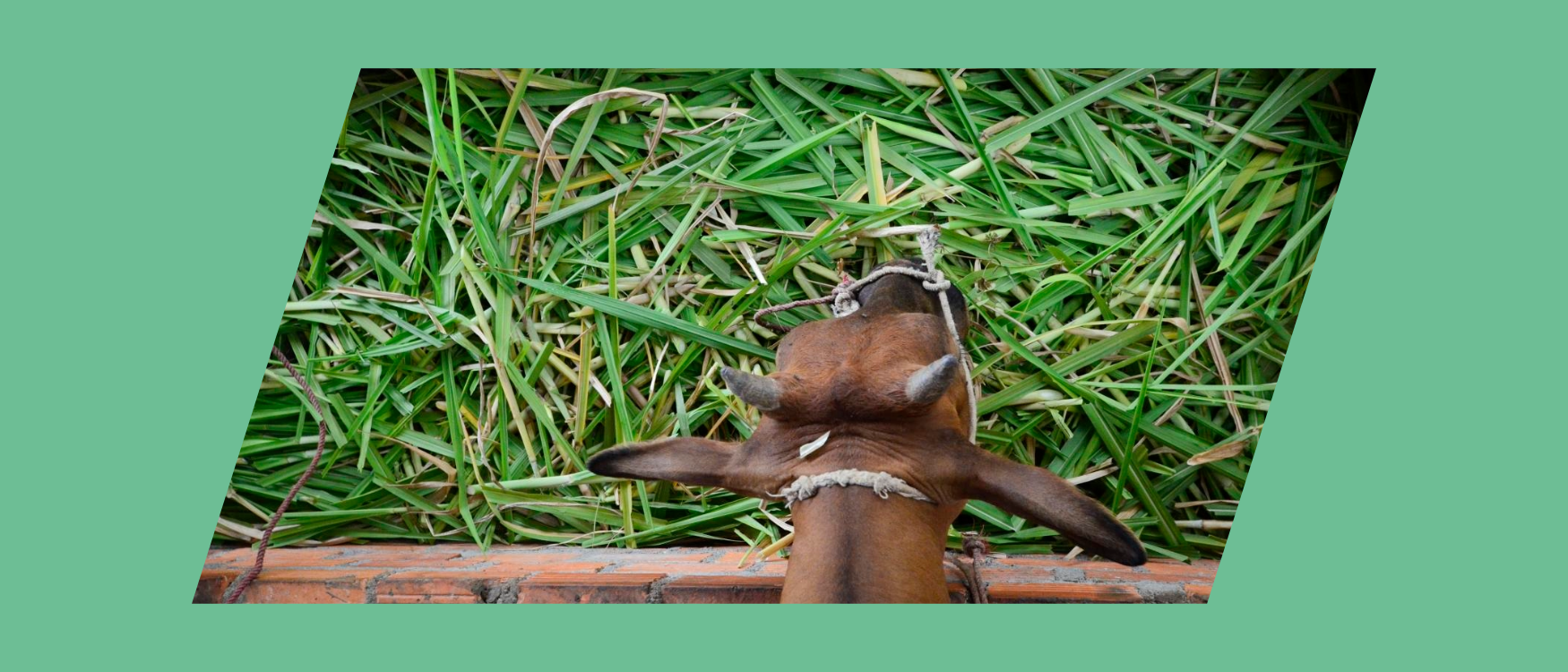
Photo: N. Palmer (CIAT)
If you work with Feed Baskets Data and want to find ways to improve collection, accessibility and sharing, please make sure to join us!
Register now
Background
Understanding what animals eat—both in terms of quantity and nutritional quality—is fundamental to calculating accurate greenhouse gas (GHG) emissions from livestock. But in low- and middle-income countries (LMICs), a lack of reliable feed basket data creates significant barriers to effectively estimating emissions, limiting opportunities for the livestock sector to access climate finance and implement effective mitigation strategies while improving food security.
Livestock Data for Decisions (LD4D) convened a multi-disciplinary Solutions Group to explore this challenge and develop a more coordinated approach to collecting and sharing Feed Baskets Data. Members are from a wide range of organisations including CGIAR, World Bank, Food and Agriculture Organization of the United Nations (FAO), Wageningen University, Cornell University, Scotland's Rural College (SRUC), Spark Climate Solutions, University of California (Davis), the International Livestock Research Institute and University of Edinburgh.
During this session, members of the LD4D Solutions Group will share new resources, insights and ongoing opportunities to collectively strengthen our approach to Feed Baskets Data.
Learn more about this work:
Speakers
-
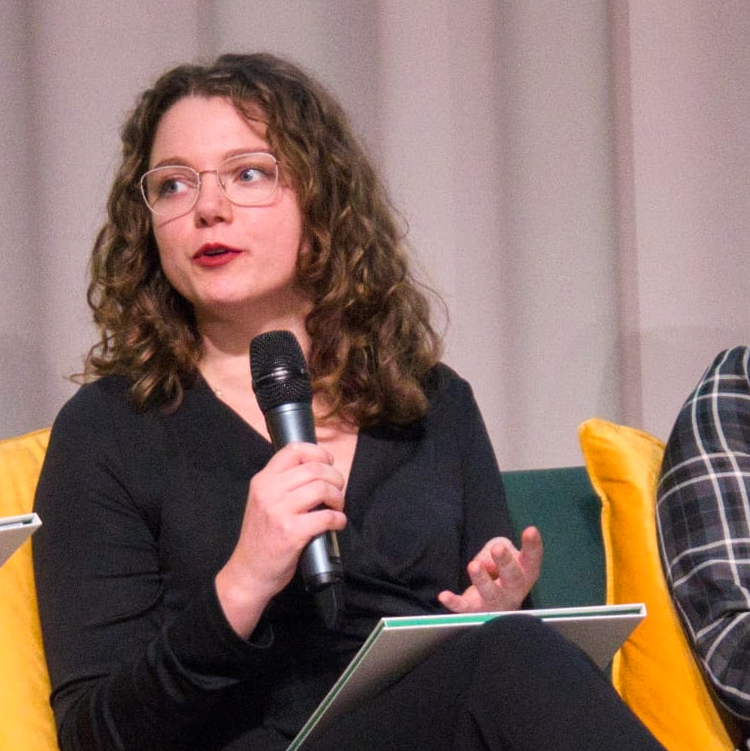
Merel Moleman
Position Livestock Consultant & Researcher (World Bank, Wageningen Livestock Research)Merel works in a global team at the World Bank, guiding investments in the livestock sector towards sustainable food systems. She graduated from Wageningen University, where she researched animal-source food consumption in low- and middle-income countries.
-
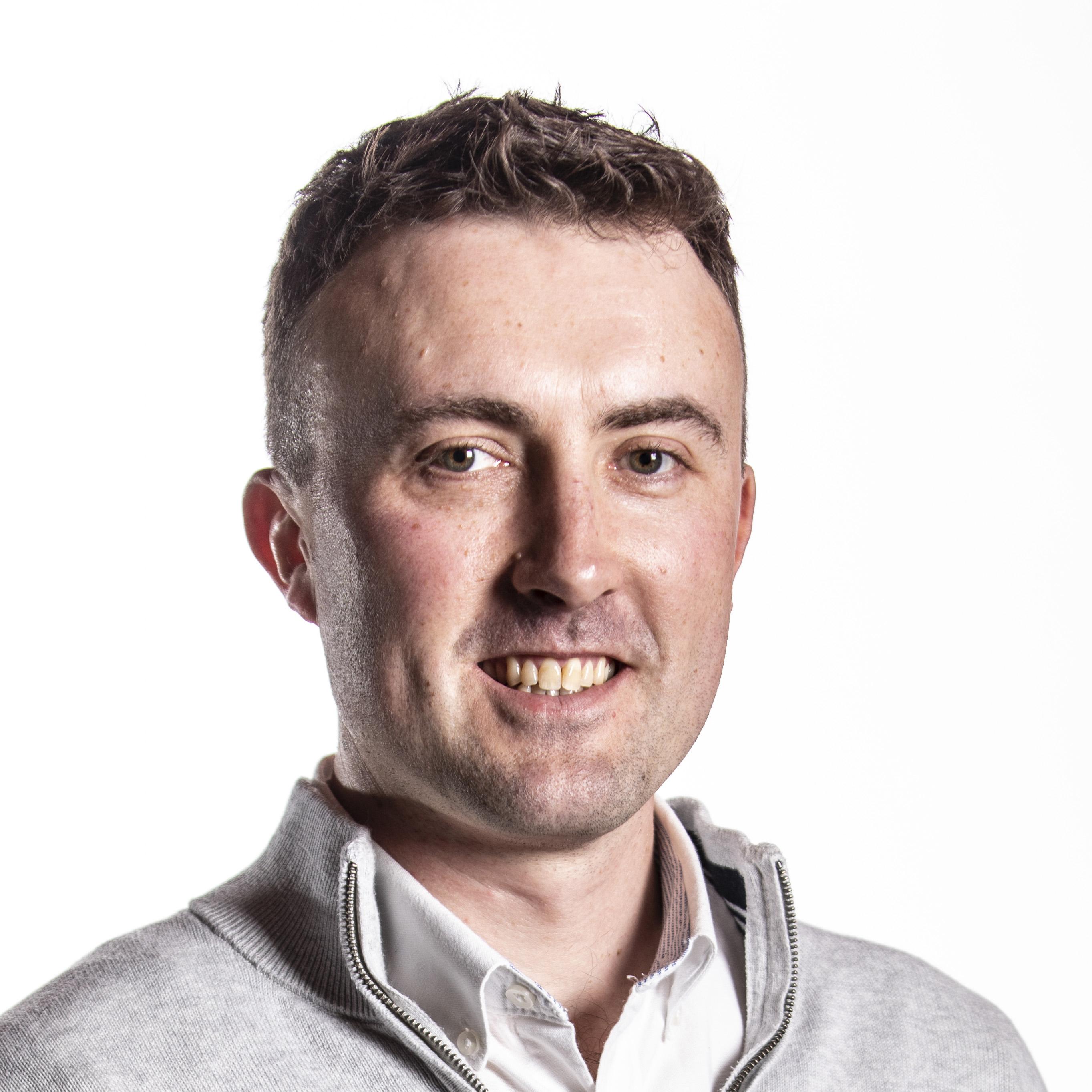
Gareth Salmon
Position Senior Researcher, SEBI-LivestockDr. Gareth Salmon supports a range of SEBI-Livestock activities including monitoring and evaluation, and research on livestock production and economic modelling. He has experience working with livestock production in low-and middle-income countries (LMICs), and also practical experience of livestock farming in the UK. Gareth holds a PhD from The University of Edinburgh and Scotland’s Rural College (SRUC), where he investigated productivity and GHG emissions intensity of Senegalese dairy production systems.
-
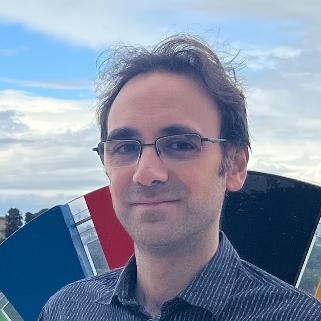
Giuseppe Tempio
Position Livestock environmental impact analyst, Food and Agriculture Organization of the United Nations (FAO)Giuseppe Tempio is a biologist, specialized in ecological analysis, and a Livestock environmental impact analyst at FAO. He has been supporting FAO’s work on sustainable livestock agri-food systems since 2011, implementing the Global Livestock Environmental Assessment Model (GLEAM) to analyze environmental impacts from the livestock sector and evaluate mitigation options.
-
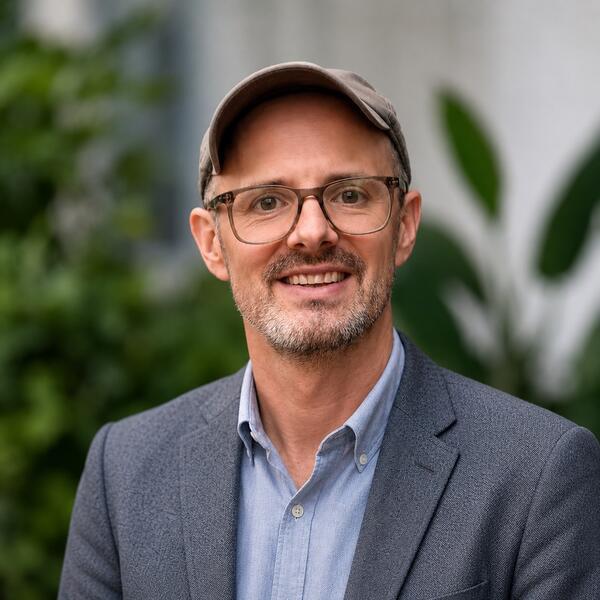
Peter Steward
Position Climate Adaptation and Data Synthesis Scientist, Alliance of Bioversity International & CIATDr. Peter Steward is a climate adaptation scientist who builds the evidence and data infrastructure that food and land systems decisions rest on. Based in Nairobi with the Alliance of Bioversity International and CIAT, he works where continent-scale climate risk analysis meets the evidence from thousands of field trials.


