Building a roadmap for livestock MRV in Nigeria
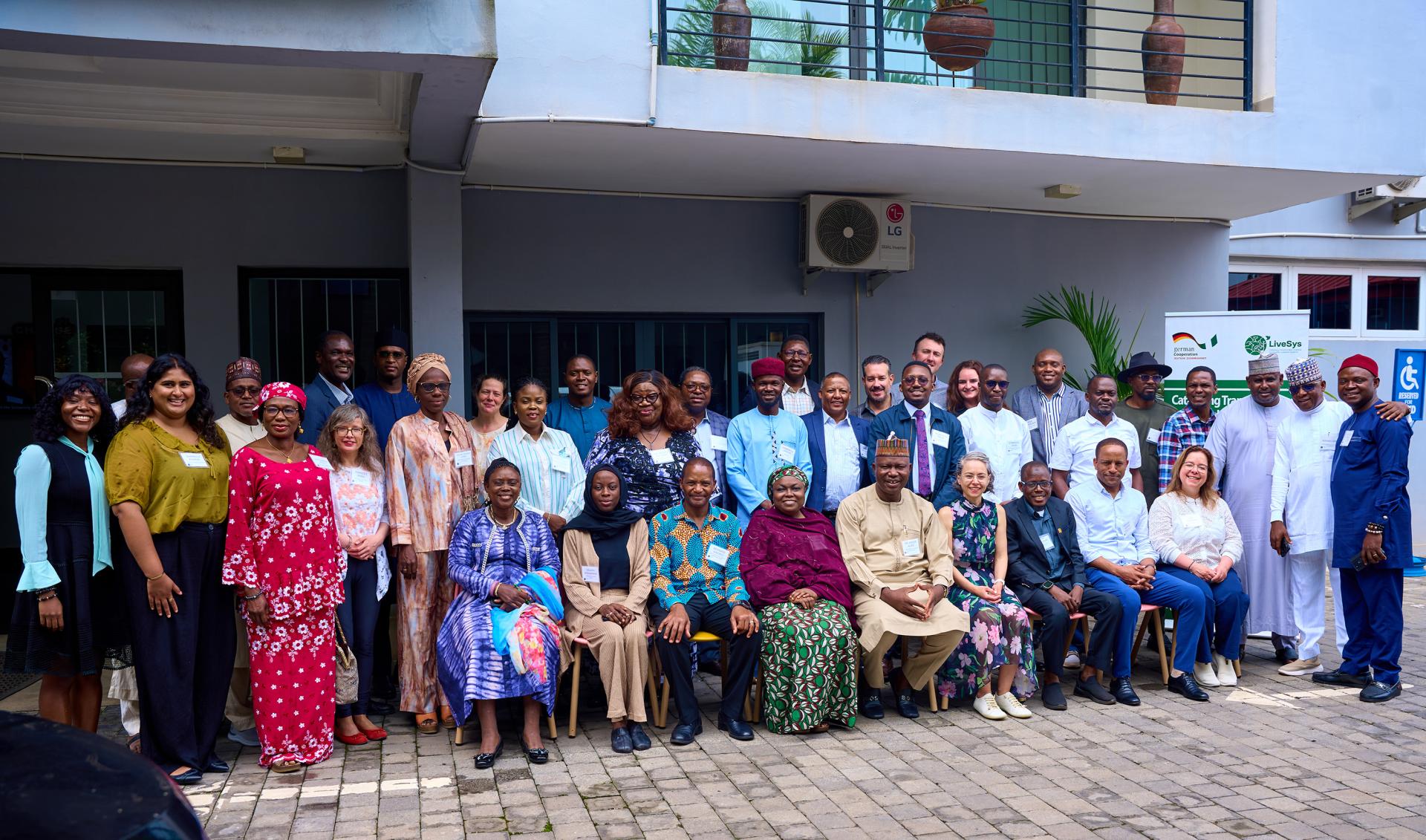
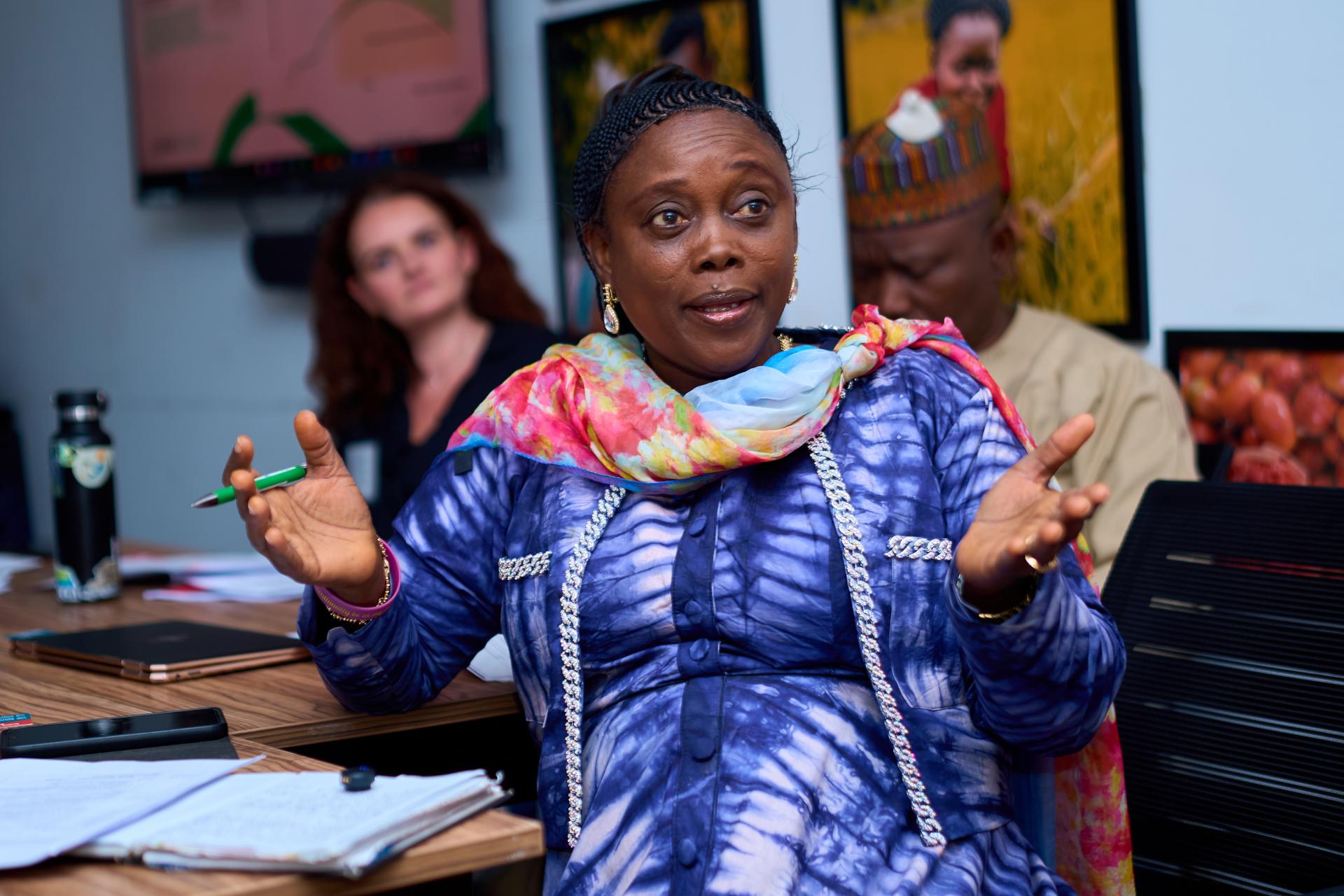
Photo: Omeva Consulting
Nigeria is taking steps to strengthen how livestock data are collected and used, laying the groundwork for more accurate climate reporting and better decisions across the sector.
by Maria de la Puerta
Agriculture accounts for around 14% of Nigeria’s greenhouse gas emissions when land use and forestry are included, with methane from enteric fermentation responsible for almost half of agricultural emissions. Yet the country’s livestock emissions estimates still rely largely on Tier 1 methods. As Dr Peter Alike of the Federal Ministry of Livestock Development explained, many figures are based mainly on livestock population numbers and default emission factors.
For a country as diverse as Nigeria, these assumptions cannot fully reflect the diversity of its livestock systems. Livestock are raised across seven agroecological zones, under different feeding and production systems, while seasonal and cross-border movements complicate population estimates. Moving towards Tier 2 is therefore critical, as it would allow Nigeria to generate emissions estimates that better reflect the diversity of its livestock systems and are based on country-specific data on animal populations, performance, feed and management.
Against this backdrop, Livestock Data for Decisions (LD4D), the Climate and Clean Air Coalition (CCAC), the Deutsche Gesellschaft für Internationale Zusammenarbeit (GIZ) and the International Livestock Research Institute (ILRI) brought together government representatives, researchers, development partners and private-sector actors in Abuja on 18–19 August 2026 to discuss how Nigeria can strengthen its livestock measurement, reporting and verification (MRV) system.
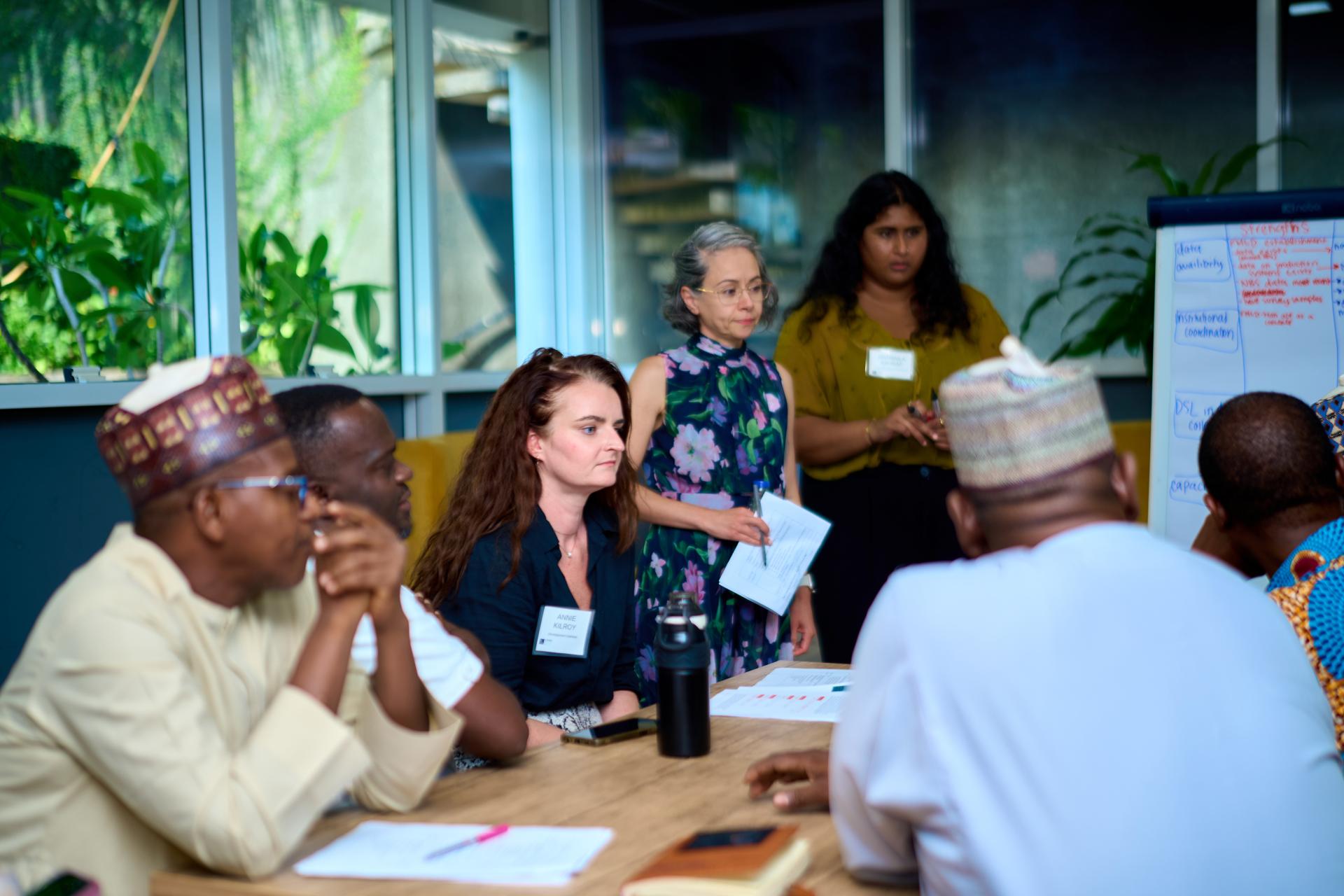
The need for better livestock data is becoming even more important as Nigeria moves forward with its ambitious National Livestock Growth Acceleration Strategy (NL-GAS), which aims to increase the sector’s contribution to the economy from around US$32 billion to at least US$74 billion by 2035. As production grows, better data will be needed to understand whether interventions are working, how they affect emissions and how productivity can be improved, stressed Dr Alike. Livestock also remain important for food, nutrition and livelihoods, so simply reducing animal numbers is not a realistic answer. The focus instead needs to be on producing more efficiently.
What the Workshop revealed
Data exists, but it is fragmented
One message came through repeatedly during the workshop: Nigeria does have livestock data, but much of it is fragmented across institutions and systems.
Dr Peter Alike described information as being held in “pockets and silos”. Dr Asmau Jibril of the Federal Ministry of Environment pointed to MRV frameworks and institutional arrangements already developed within her ministry, while Mr Jude Samuelson highlighted disjointed datasets and weak data flows between subnational and national levels.
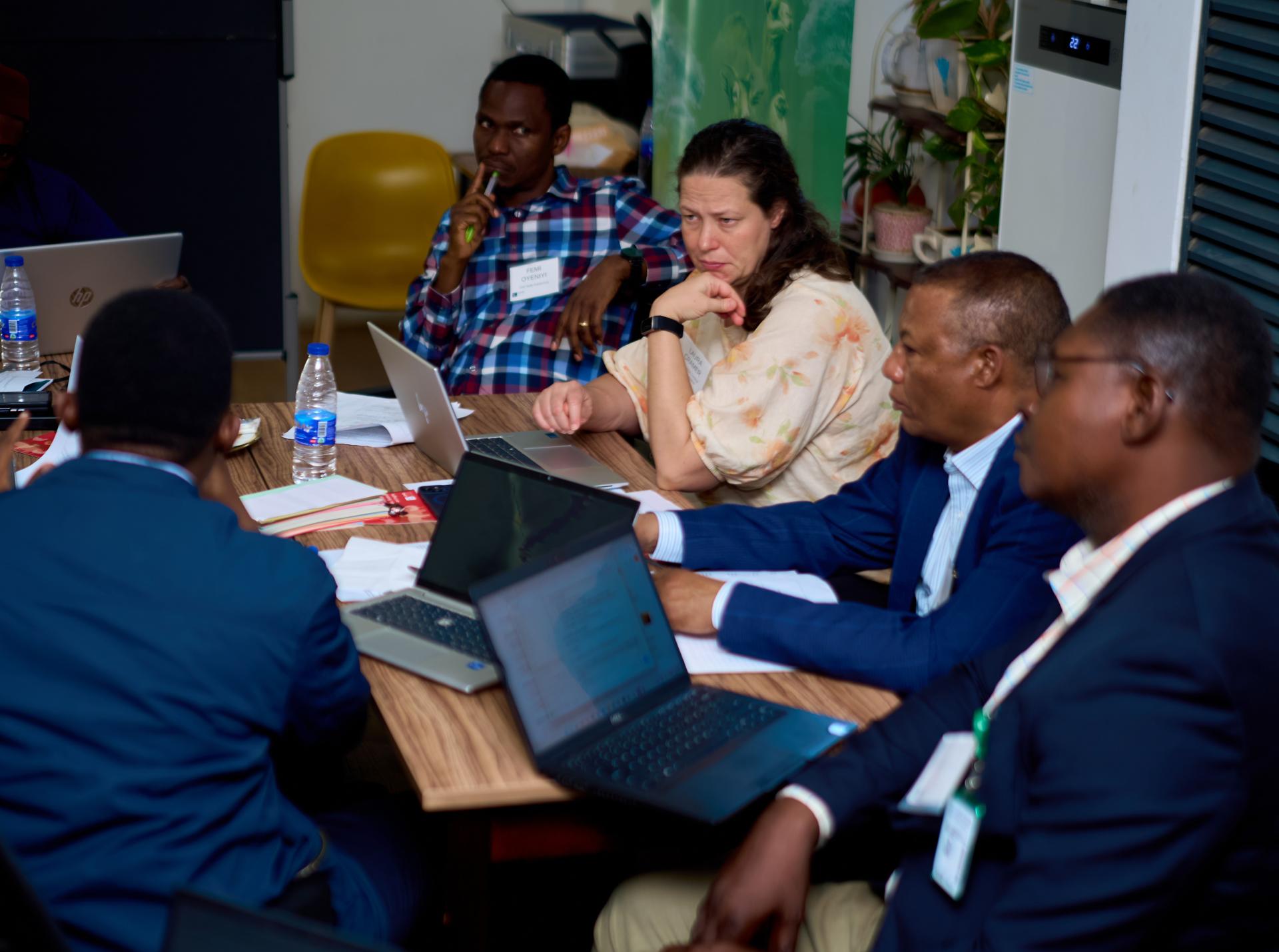
The discussion showed that livestock information already exists across government institutions, the National Bureau of Statistics, universities, research institutes, NGOs and private companies. The challenge is bringing those different sources together into a more coherent national system.
Foundations are already in place
The positive side is that Nigeria is not starting from scratch.
As Dr Jibril stressed, work has already been carried out across different institutions, meaning Nigeria “does not have to do the work all over again.” The Federal Ministry of Livestock Development has validated a Livestock Management Information System, while the World Bank-supported Livestock Productivity and Resilience Support Project (L-PRES) is contributing to methane-baseline development across Nigeria’s agroecological zones and production systems. Around 160 enumerators have also been trained for methane-related measurements.
The workshop helped bring these efforts into the same conversation: what already exists, what can be connected and where the main gaps remain. Experiences from Ethiopia, Uganda and Kenya also reinforced the importance of connecting existing systems, strengthening data governance and improving MRV progressively over time.
MRV needs to work for the livestock sector
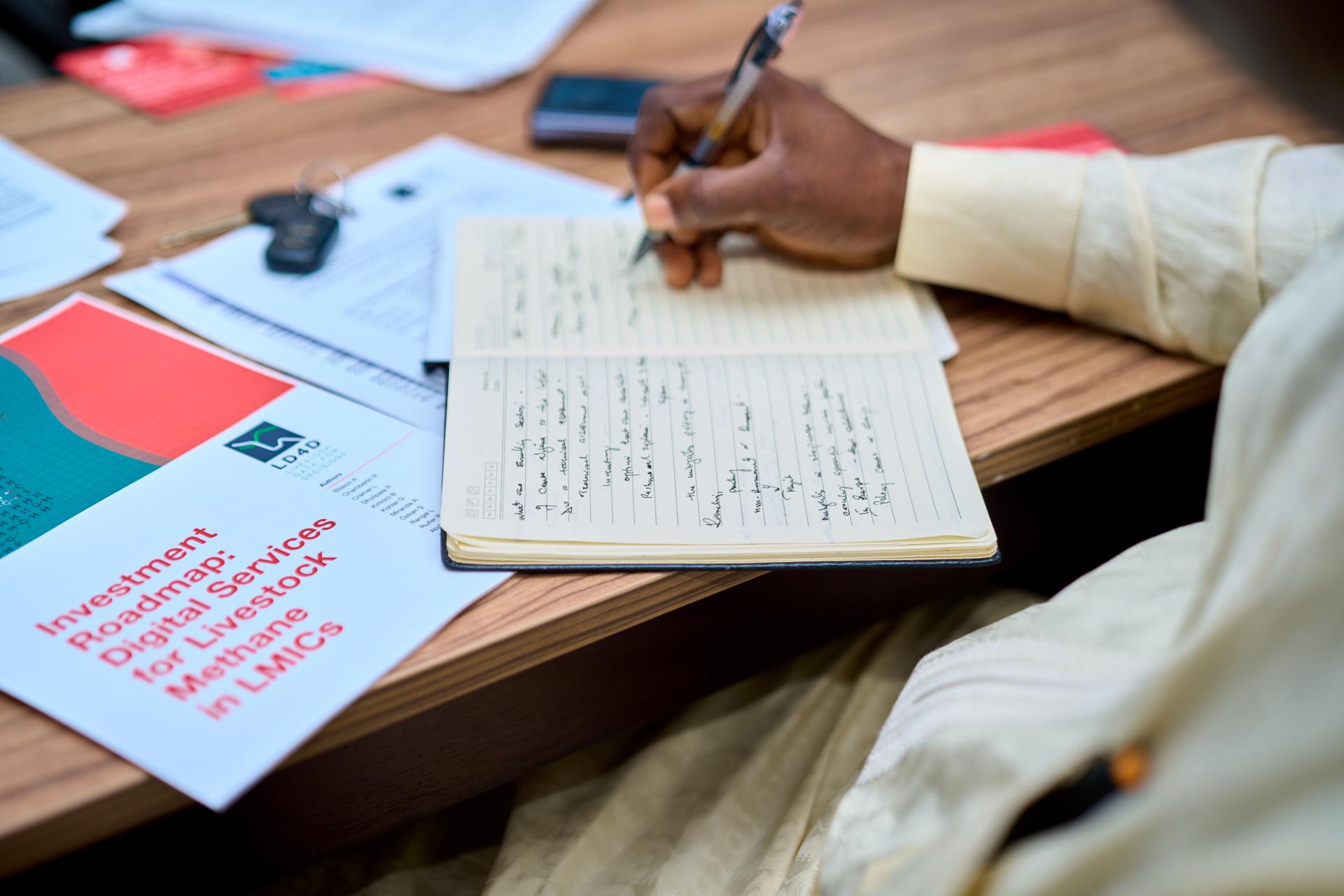
An effective livestock MRV system also needs to reflect how the livestock sector actually works. Data is generated on farms and in communities, but also through markets, veterinary services and private-sector platforms. These actors therefore need to be part of the system.
Ahmed Musa Mansur of Livestock247 put it simply: “If we are introducing technology or innovation, it has to solve a real problem.” Farmers, he noted, are likely to prioritise productivity, animal health and access to finance before methane emissions. Digital systems that respond to those needs can also generate information useful for emissions measurement and climate action.
The same applies to pastoralists. Dr Modupe Hambolu of the Federal Ministry of Livestock Development stressed that they should be involved in designing the systems intended to collect and use livestock data. If a system works for pastoralists, she argued, they may become the ones actively seeking it out.
From discussions to a roadmap
By the end of the workshop, discussions had begun to translate into a practical roadmap for strengthening livestock MRV in Nigeria.
A first priority is a national Tier 2 scoping exercise: understanding what data already exist, who holds them and where the most important gaps remain. Participants also stressed the need for a bottom-up approach, strengthening capacity closer to livestock-producing communities and improving data flows from local and subnational levels into national systems.
Nigeria also has important momentum behind this work. Livestock is receiving greater policy attention, new planning and data systems are being developed, and the workshop brought together institutions and stakeholders willing to work towards a more coordinated national approach. As Jude Samuelson noted, one of the encouraging findings was that “all stakeholders are willing.”
Regional experience reinforced the same message. As Zeleke Mekuriaw of AU-IBAR put it, “Tier 2 is a system, not a spreadsheet” — it depends on institutions, people and processes working together over time. Kenya’s Bernard Kimoro offered an equally practical lesson: “Always start the inventory process and improve it over time. Don’t wait.”
What’s next?
The workshop helped identify a shared direction for strengthening livestock MRV in Nigeria. Further work will be needed to refine the roadmap, clarify institutional roles and strengthen links between livestock data and national climate reporting.
The actions identified during the workshop are now being refined into a policy brief, which will be shared with stakeholders and published on the LD4D website. Continued engagement across institutions, including at subnational level, will be important to ensure that the proposed approach is practical, coordinated and sustainable over time.
Maria de la Puerta is a Researcher, Livestock and Climate Specialist with Omeva Consulting.

