New policy brief outlines actions for improving Nigeria’s livestock emissions data
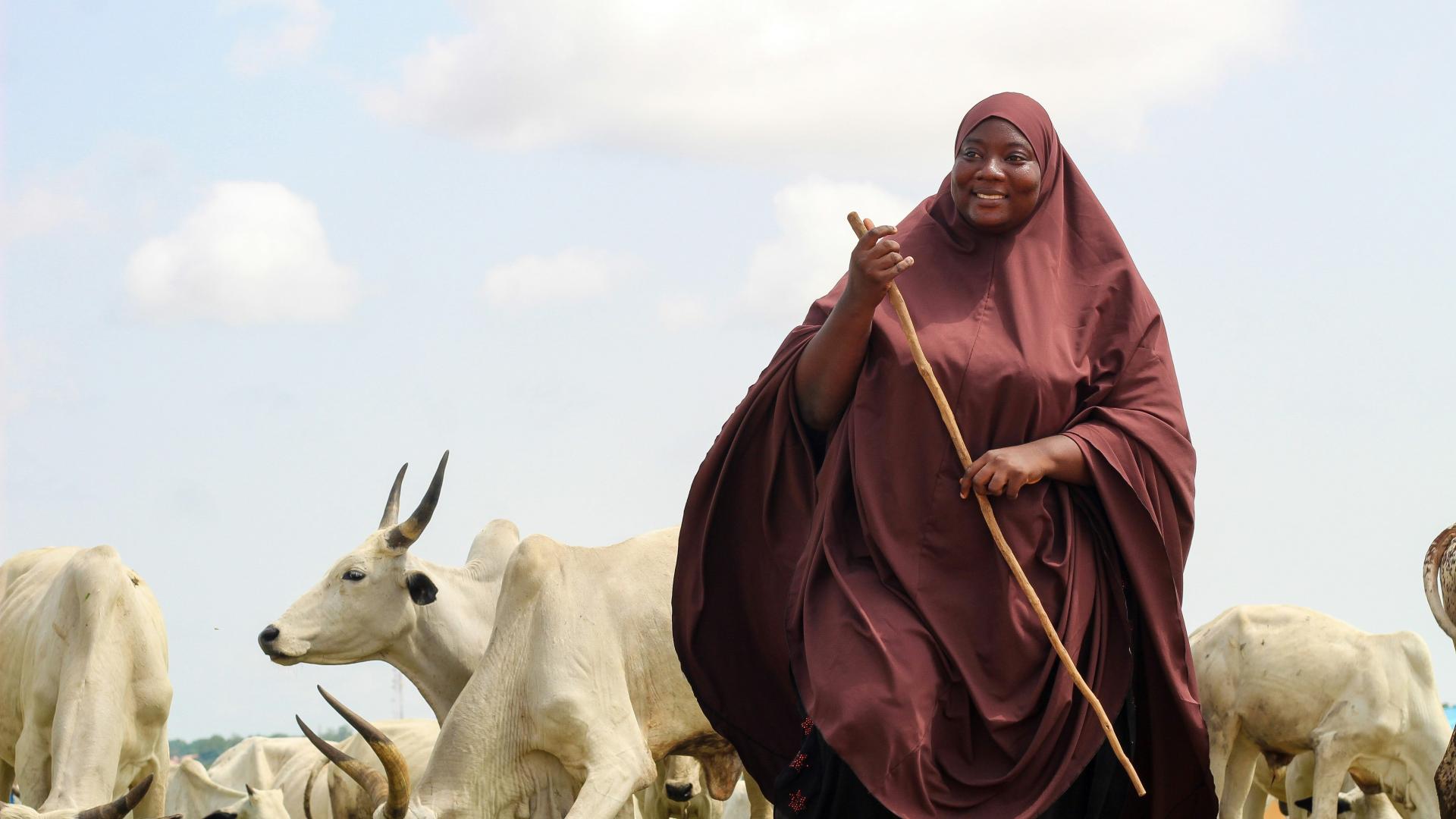
Photo by Fatima Yusuf on Unsplash
Collaborative insights from the Abuja Technical Workshop on L-MRV
In recent years, Nigeria has made good progress in developing a more robust system for tracking and reporting emissions from its livestock sector. This is especially important as the country works to deliver on its global pledges to reduce greenhouse gas emissions, including from its livestock sector. A new policy brief published by LD4D describes the current state of Nigeria’s livestock monitoring, reporting and verification (L-MRV) and highlights opportunities and actions for further improvements.
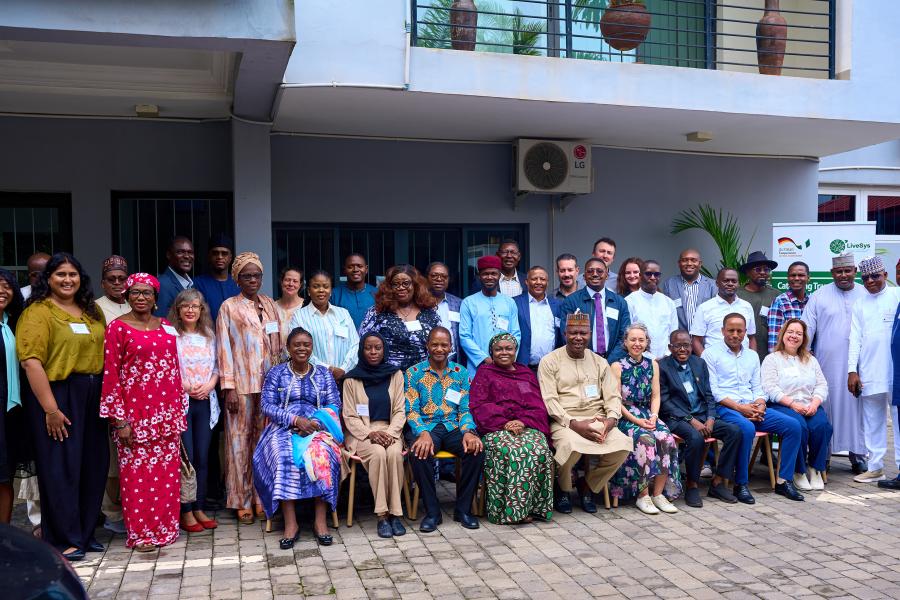
The brief was authored by Şeyda Özkan with vital inputs from over 40 people who took part in a Technical Workshop on L-MRV , held in Abuja, Nigeria on 18-19 August 2026, including participants from government institutions, national and international experts, research, and development partners. The workshop was jointly organised by Livestock Data for Decisions (LD4D), the Climate and Clean Air Coalition (CCAC), the Deutsche Gesellschaft für Internationale Zusammenarbeit (GIZ)
MRV developing but gaps remain
The brief highlights Nigeria’s progress towards using “Tier 2” methodologies for Livestock Measurement, Reporting and Verification (L-MRV). These guidelines from the Intergovernmental Panel on Climate Change (IPCC) provide methods for estimating emissions or emissions removals and can provide a country with more certainty for making mitigation decisions. While Nigeria has made significant advances in using these methods, some key gaps persist for the livestock sector.
The brief outlines opportunities for strengthening L-MRV which go beyond filling data gaps. This includes support to institutions to adopt common standards and build capacity.
Priority actions
The brief outlines priority actions as identified by the workshop participants, including new mechanisms to update livestock population and performance data, and improved data governance and sharing. The authors acknowledge a number of ongoing initiatives that are already committed to strengthening Nigeria’s technical, institutional and data-related infrastructure, and highlight ways these initiatives could connect to better mobilise expertise, data, and institutional relationships.
Next steps
The policy brief will be presented to the Federal Minister of Livestock Development and Permanent Secretary, with support from GIZ partners in Nigeria.
Learn more about this work
Video
Watch highlights and interviews with workshop participants discussing how Nigeria can strengthen its livestock measurement, reporting and verification (MRV) system.