publication

LD4D 2026 Photo Calendar
Citation

2026. LD4D 2026 Photo Calendar.

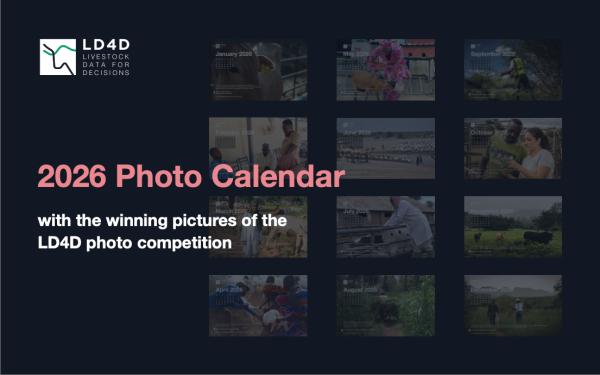
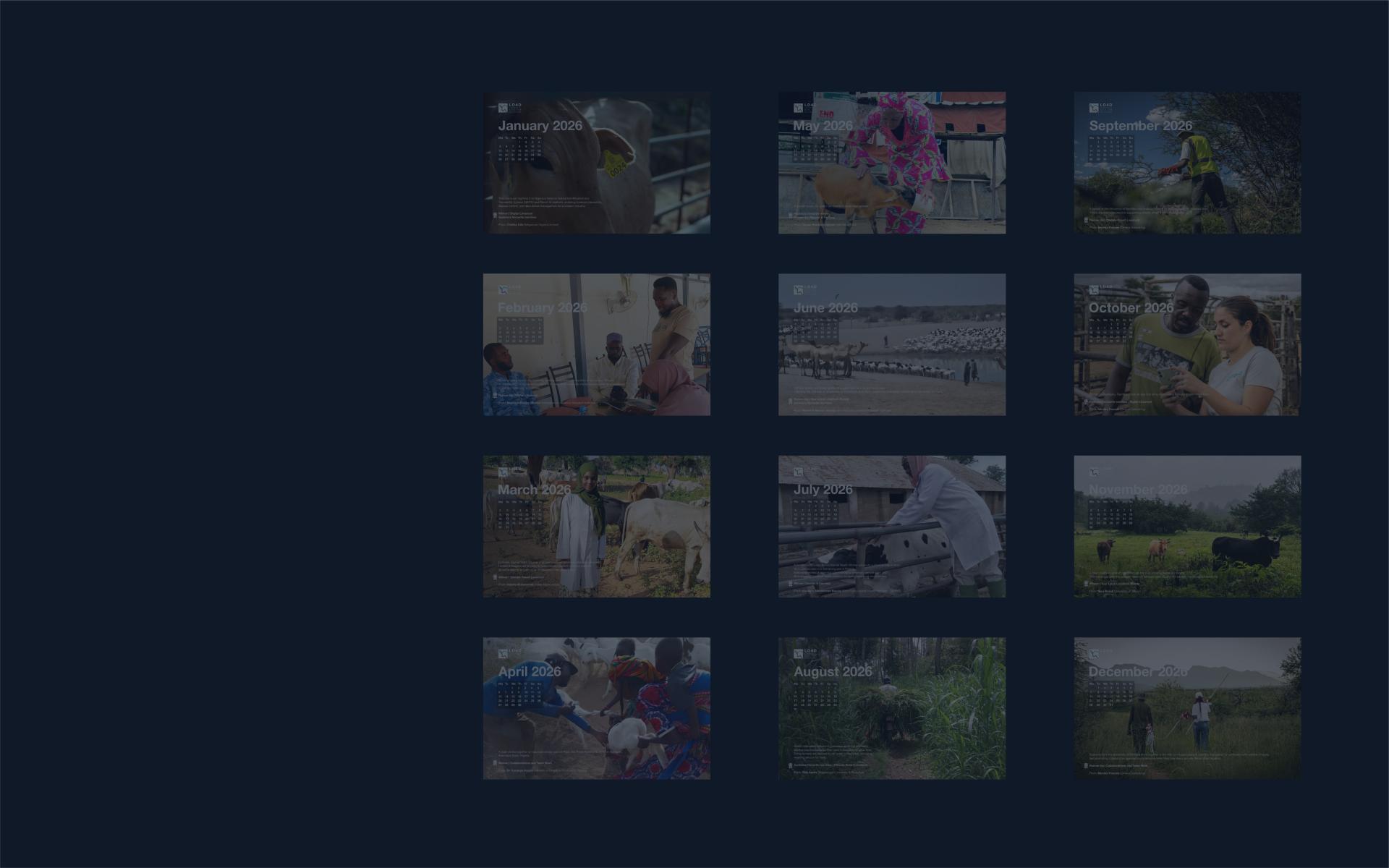
Enjoy a year of powerful images captured by LD4D members, featuring the winners of the 2025 LD4D Photo Competition. The competition invited our network to showcase the human dimension of livestock systems across Africa and beyond—capturing the transformative role of data, innovation, and collaboration in the sector. We offer a downloadable desktop background for each month of 2026 and bring this inspiring work into your daily view! Simply save the image(s) choose your new desktop wallpaper. 
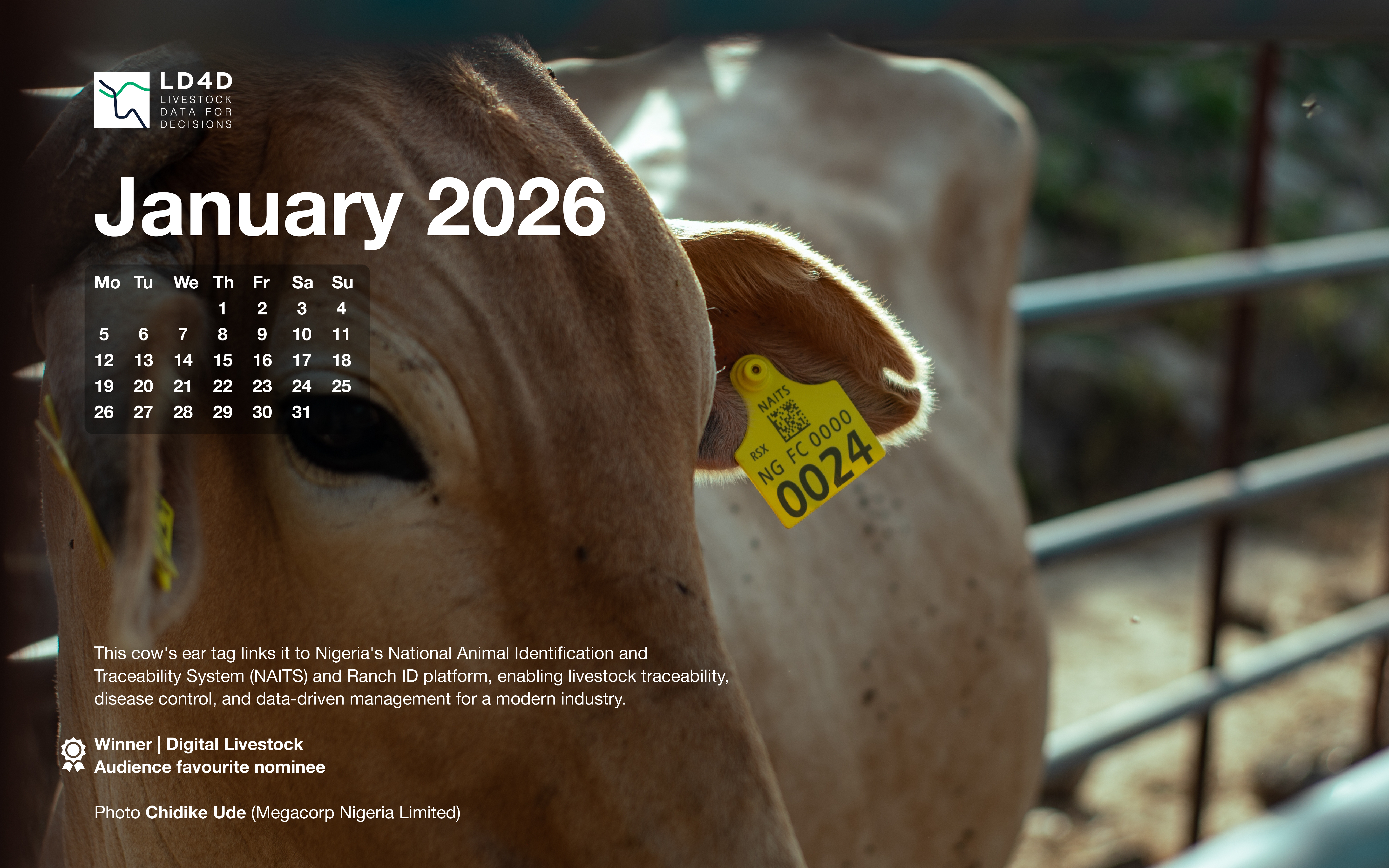
A Cow with a Ranch ID ear tag
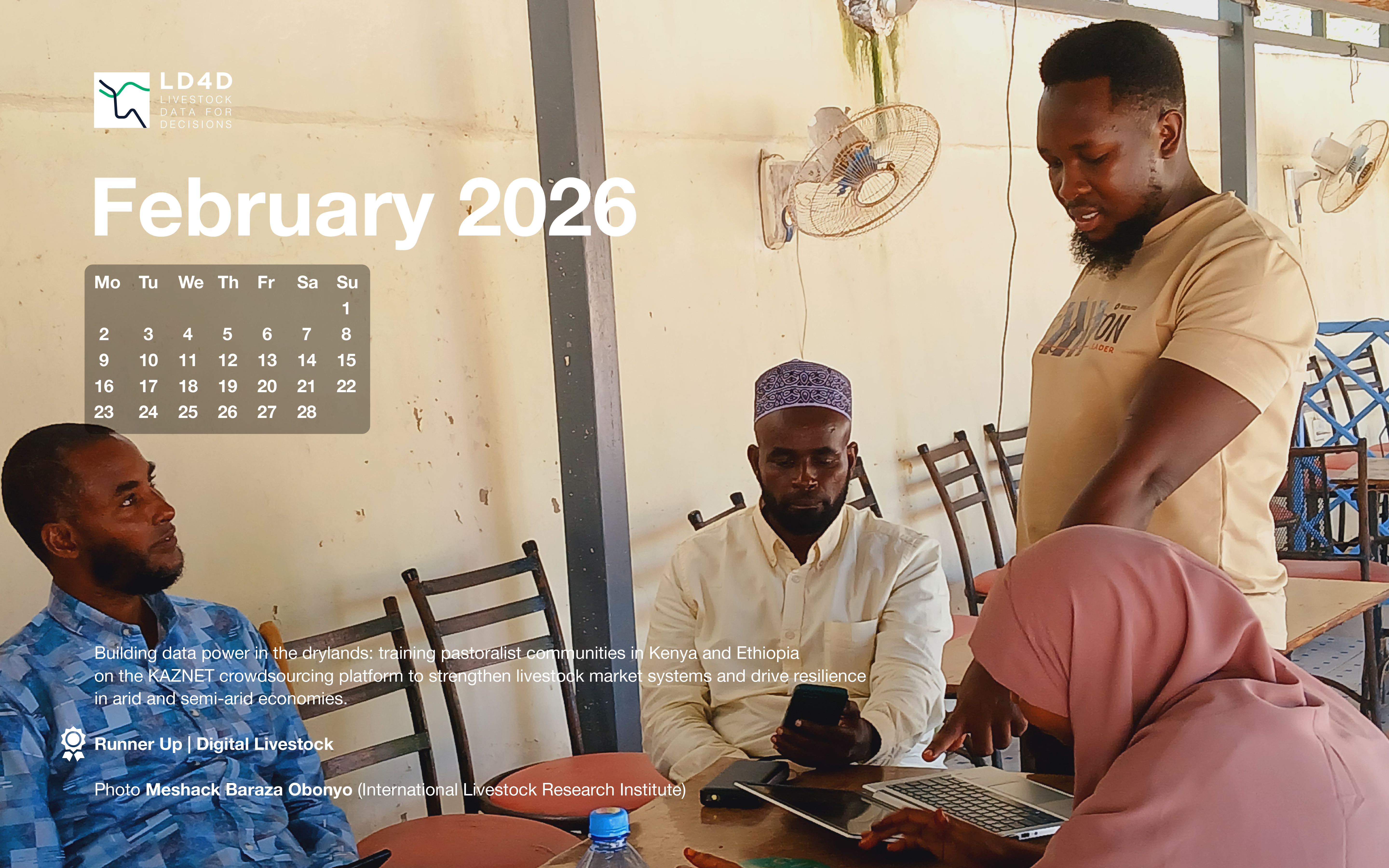
Three men and woman attend a training session for pastoralist communities in Kenya. They stand and sit around a table in conversation.
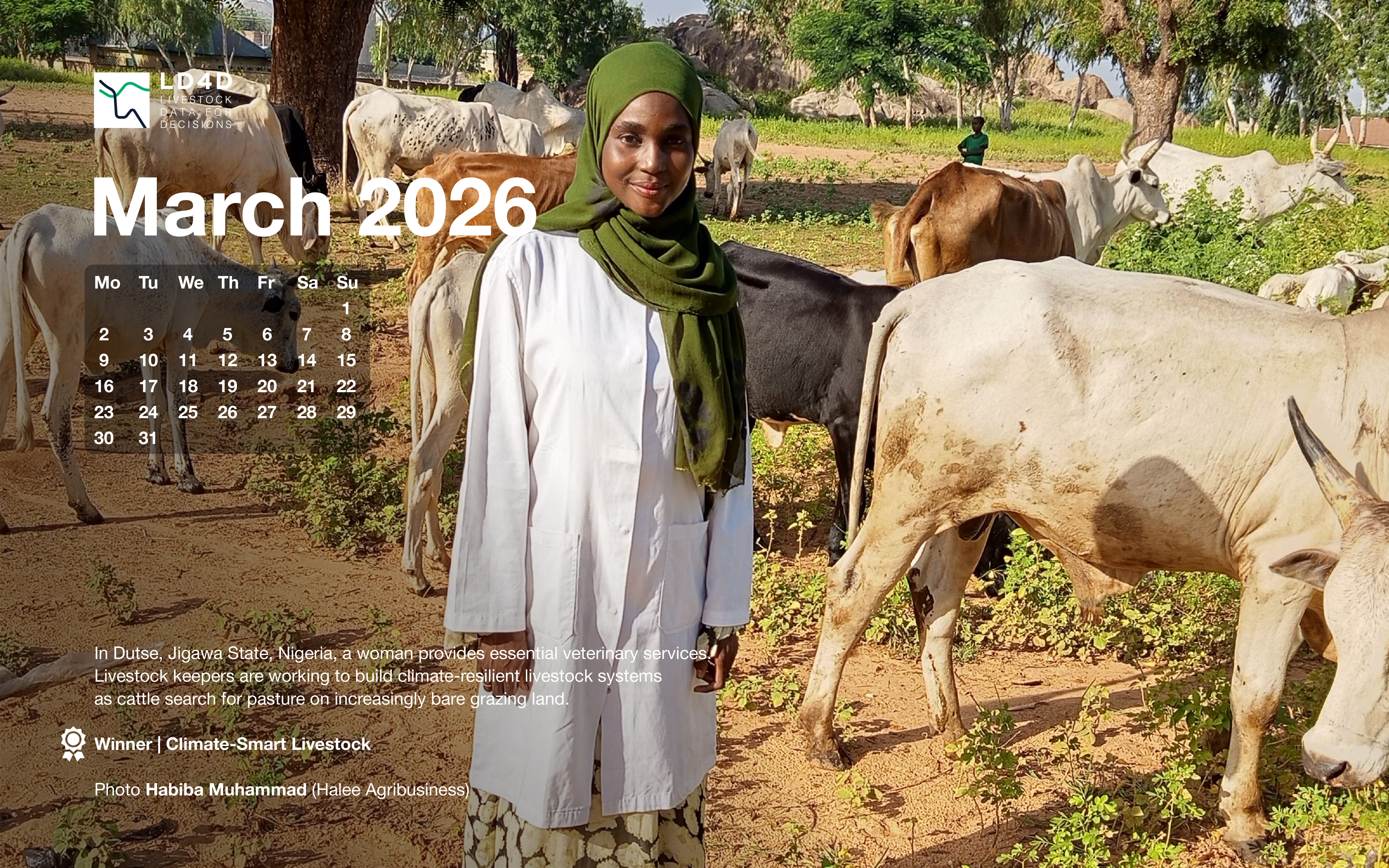
A female veterinary worker in Nigeria smiles in front of a small group of cattle searching for pasture on patchy grazing land.
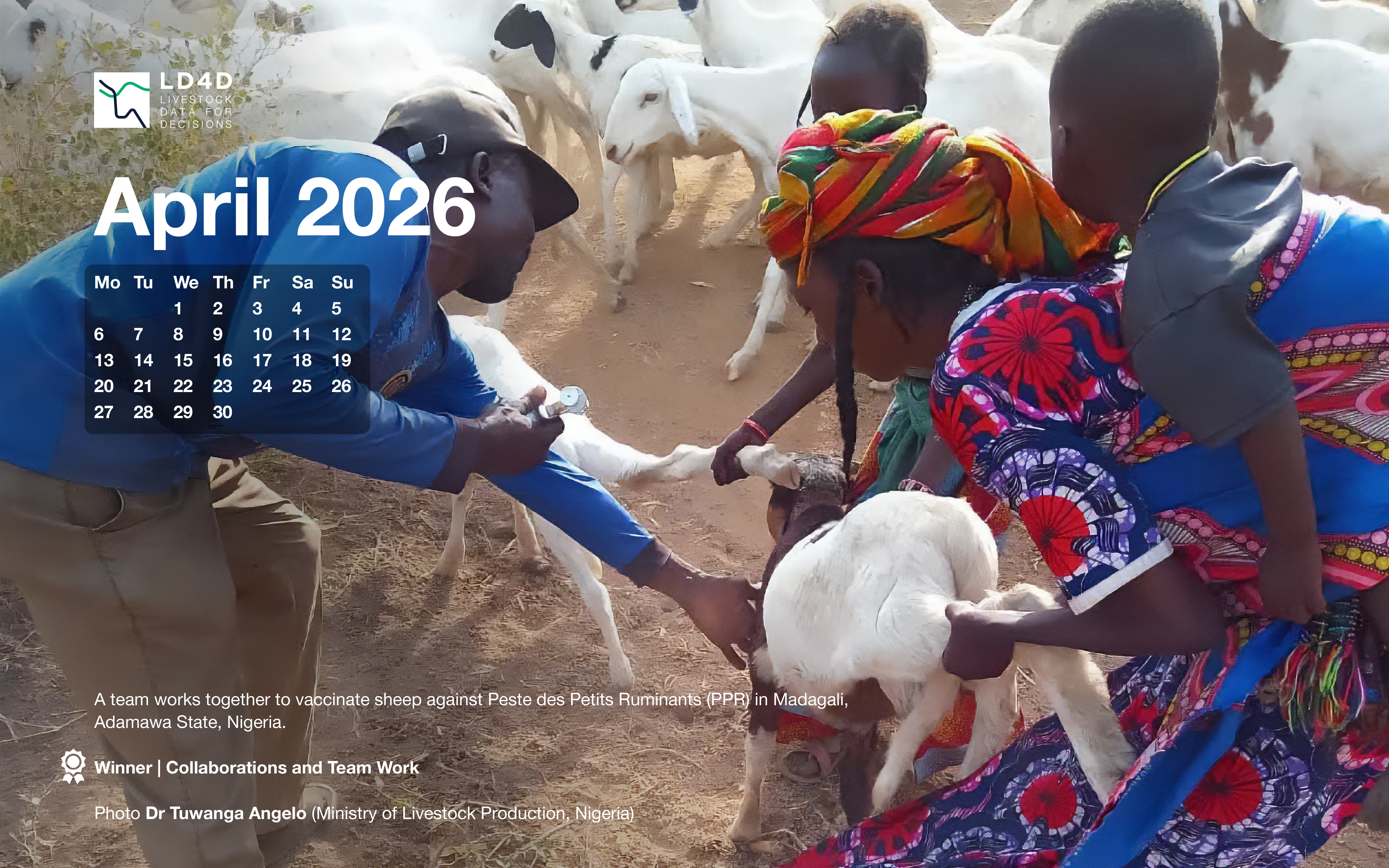
A team in Nigeria works together to vaccinate sheep.
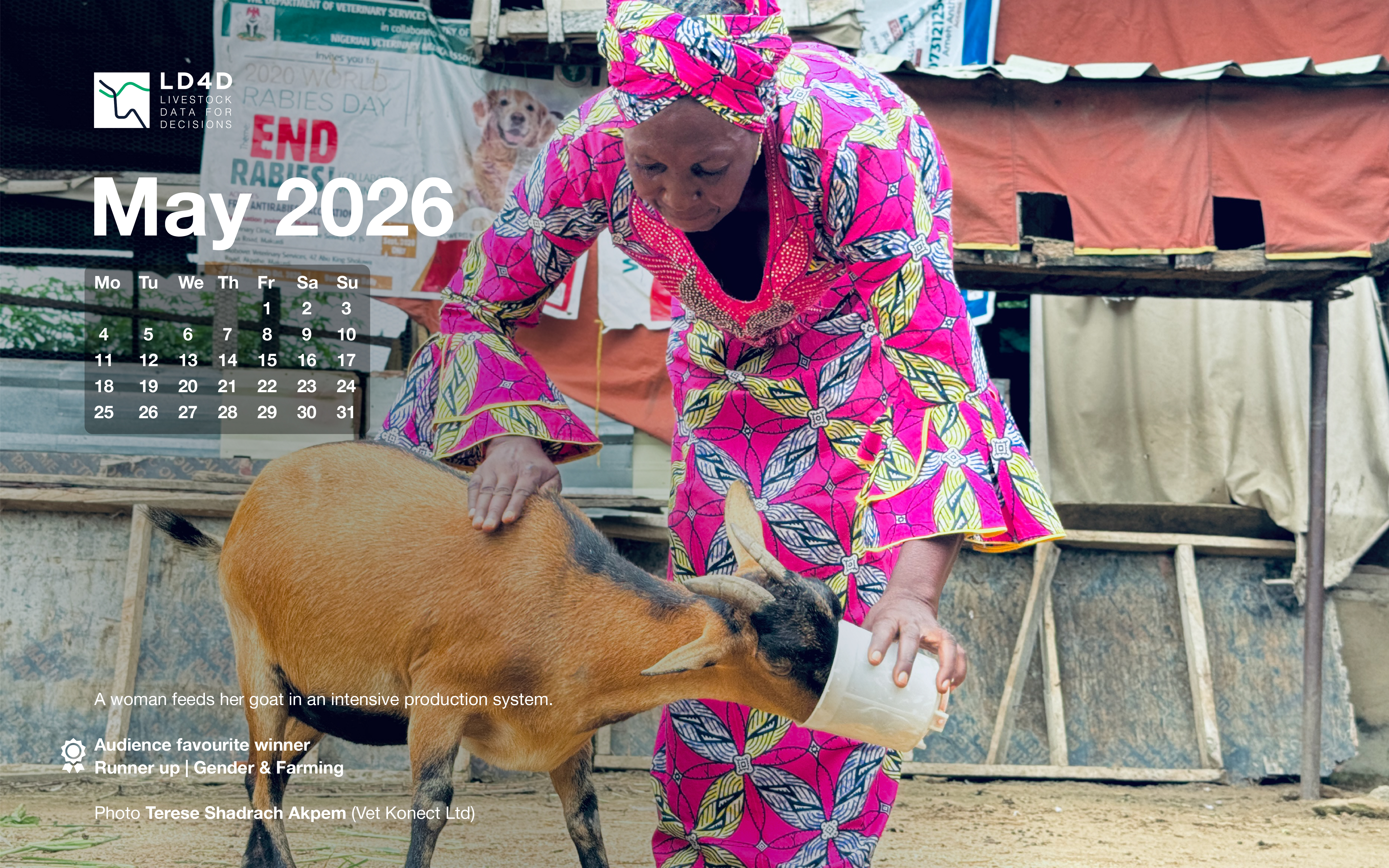
A woman in a pink African-style dress leans over to feed her brown goat.
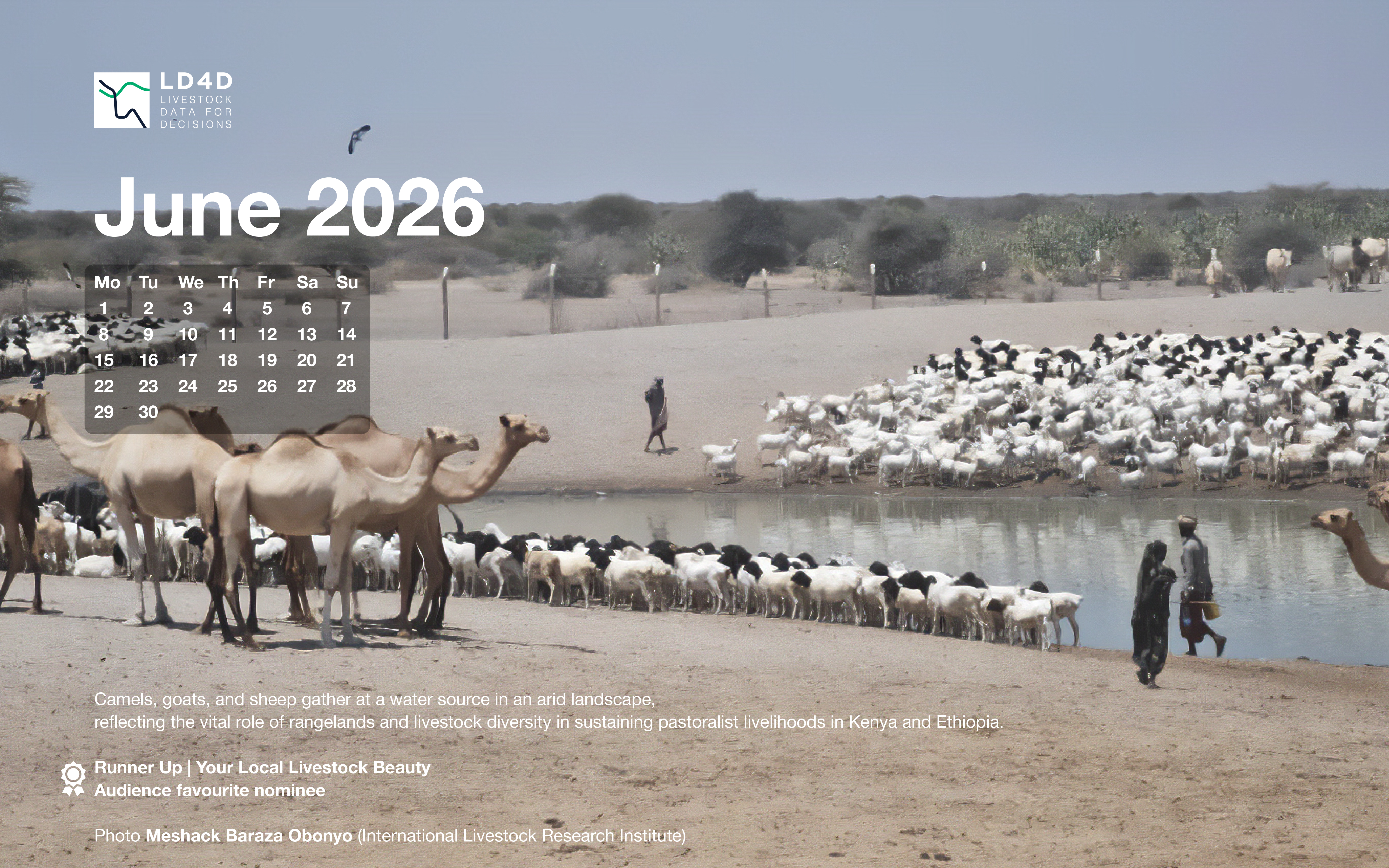
Camels, goats, and sheep gather at a water source in an arid landscape, reflecting the vital role of rangelands and livestock diversity in sustaining pastoralist livelihoods in Kenya.
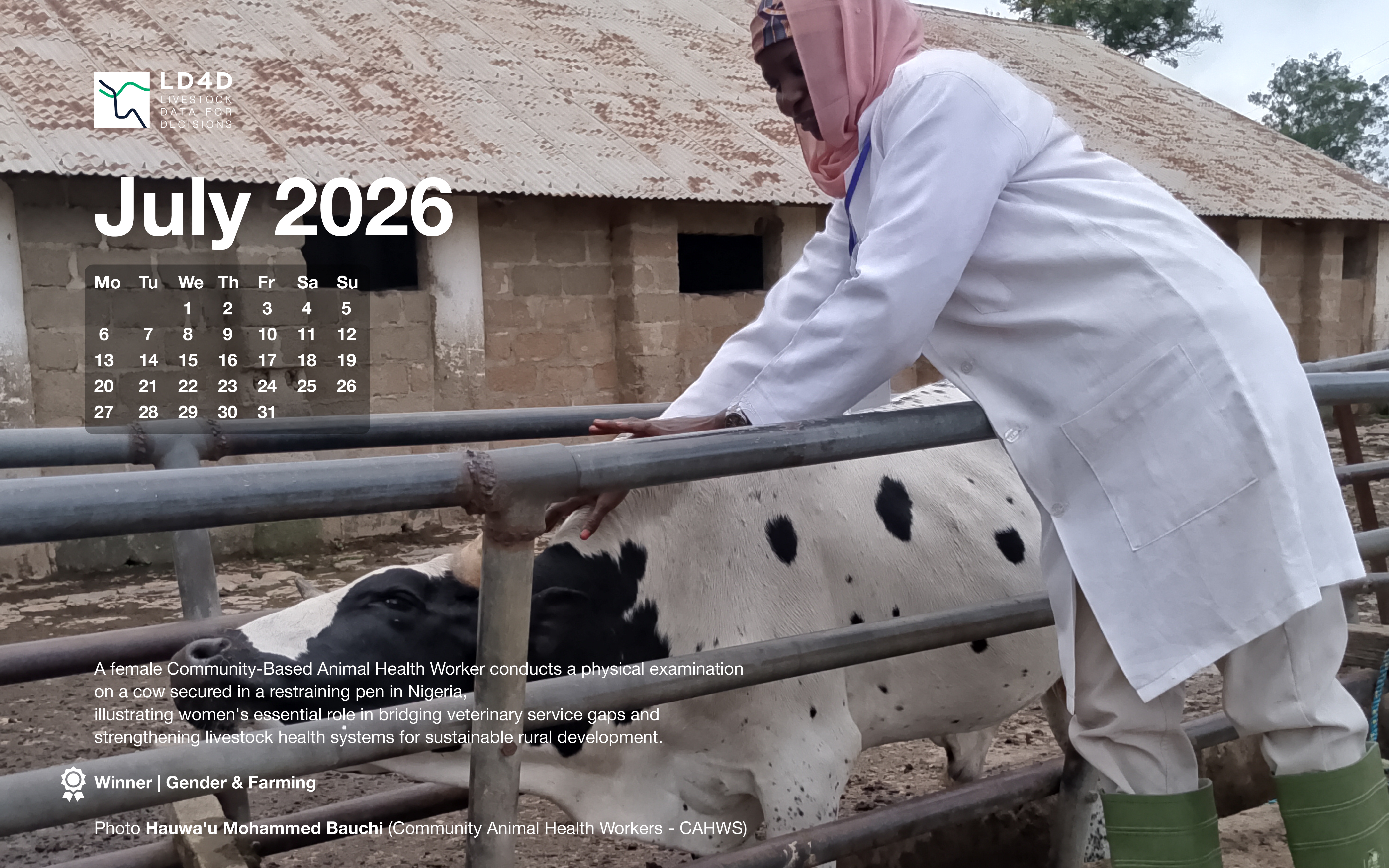
A female Community-Based Animal Health Worker conducts a physical examination on a cow secured in a restraining pen in Nigeria.
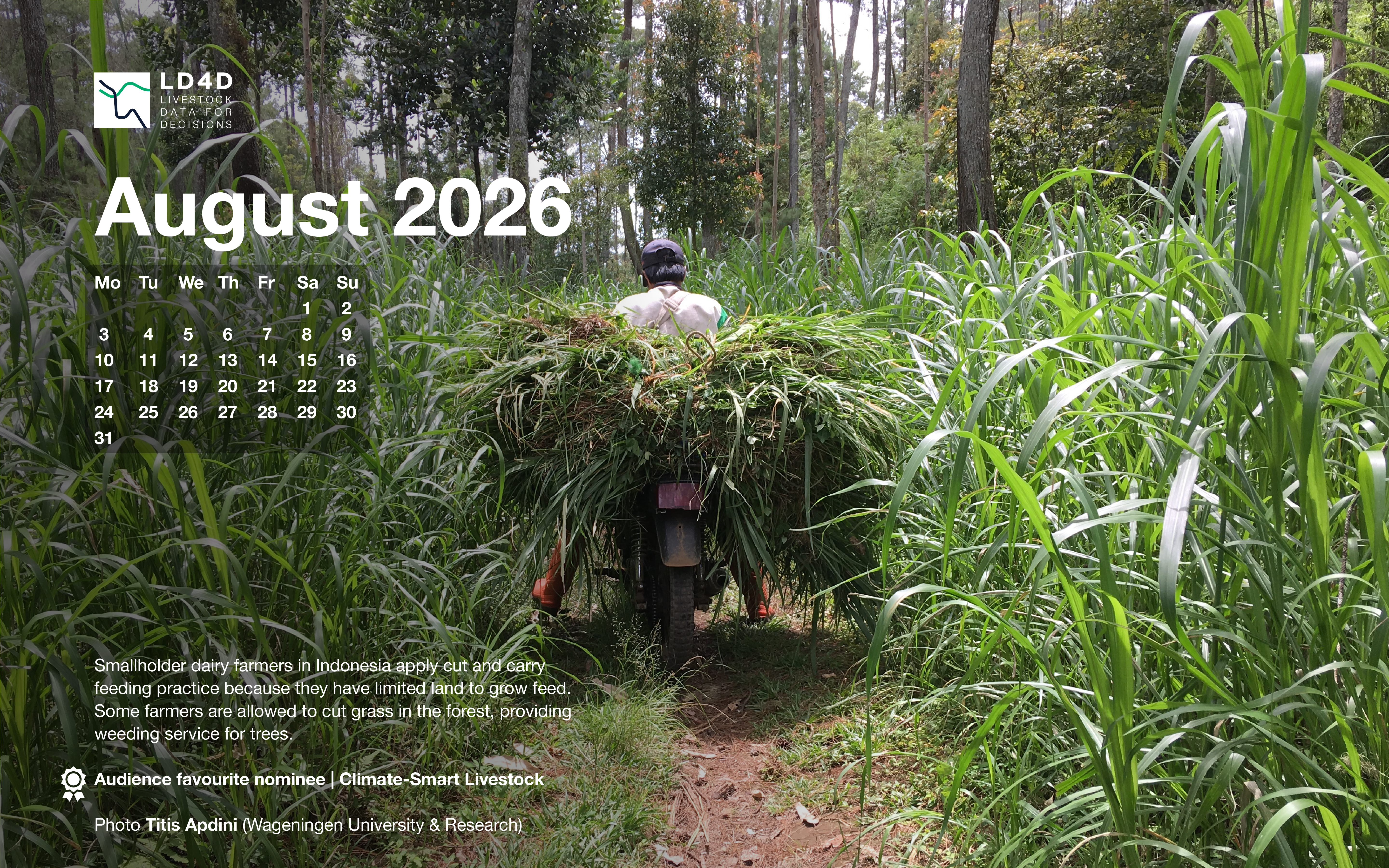
Smallholder dairy farmers in Indonesia apply cut and carry feeding practice because they have limited land to grow feed. Some farmers are allowed to cut grass in the forest, providing weeding service for trees.
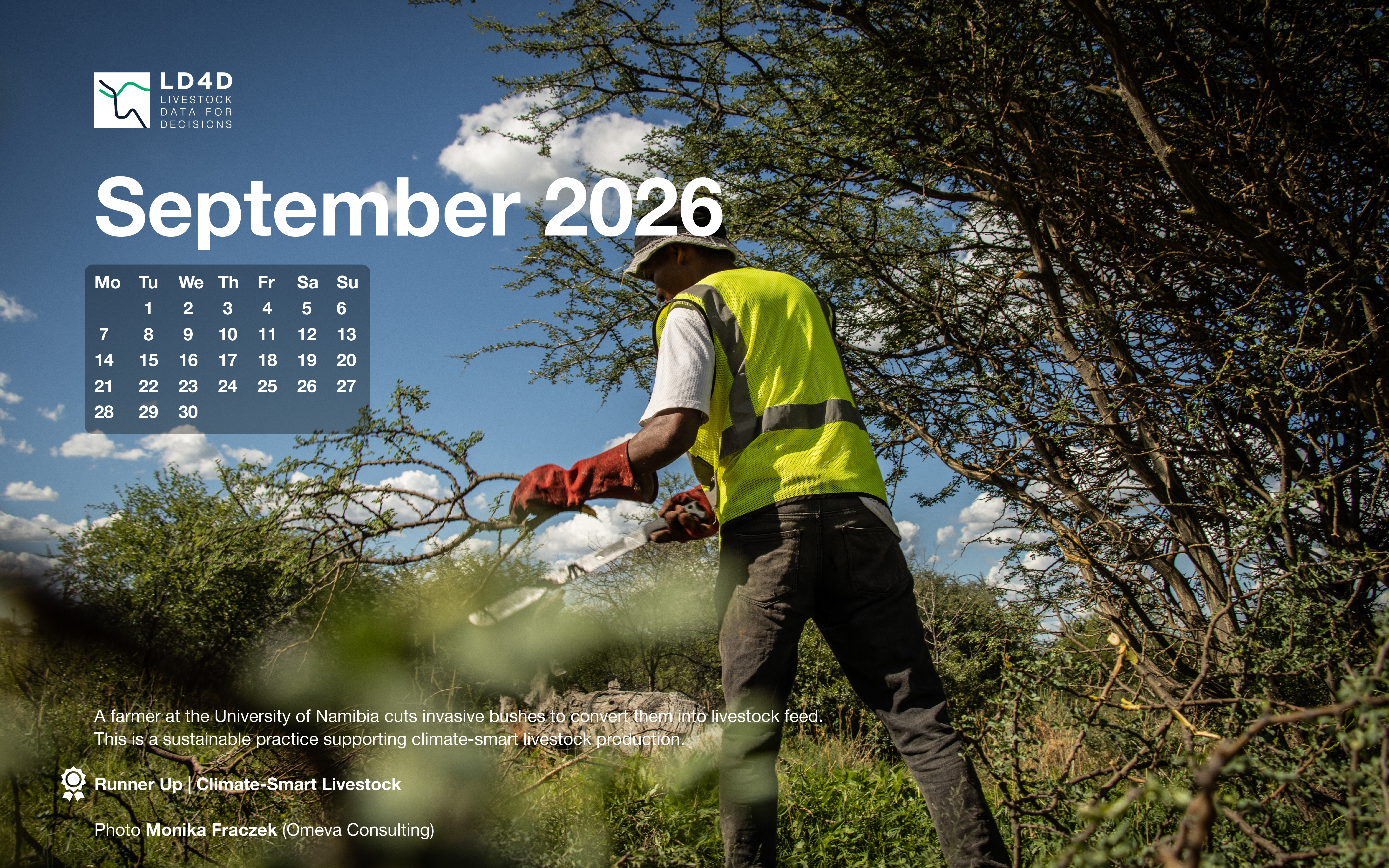
 A farmer at the University of Namibia cuts invasive bushes to convert them into livestock feed. This is a sustainable practice supporting climate-smart livestock production.
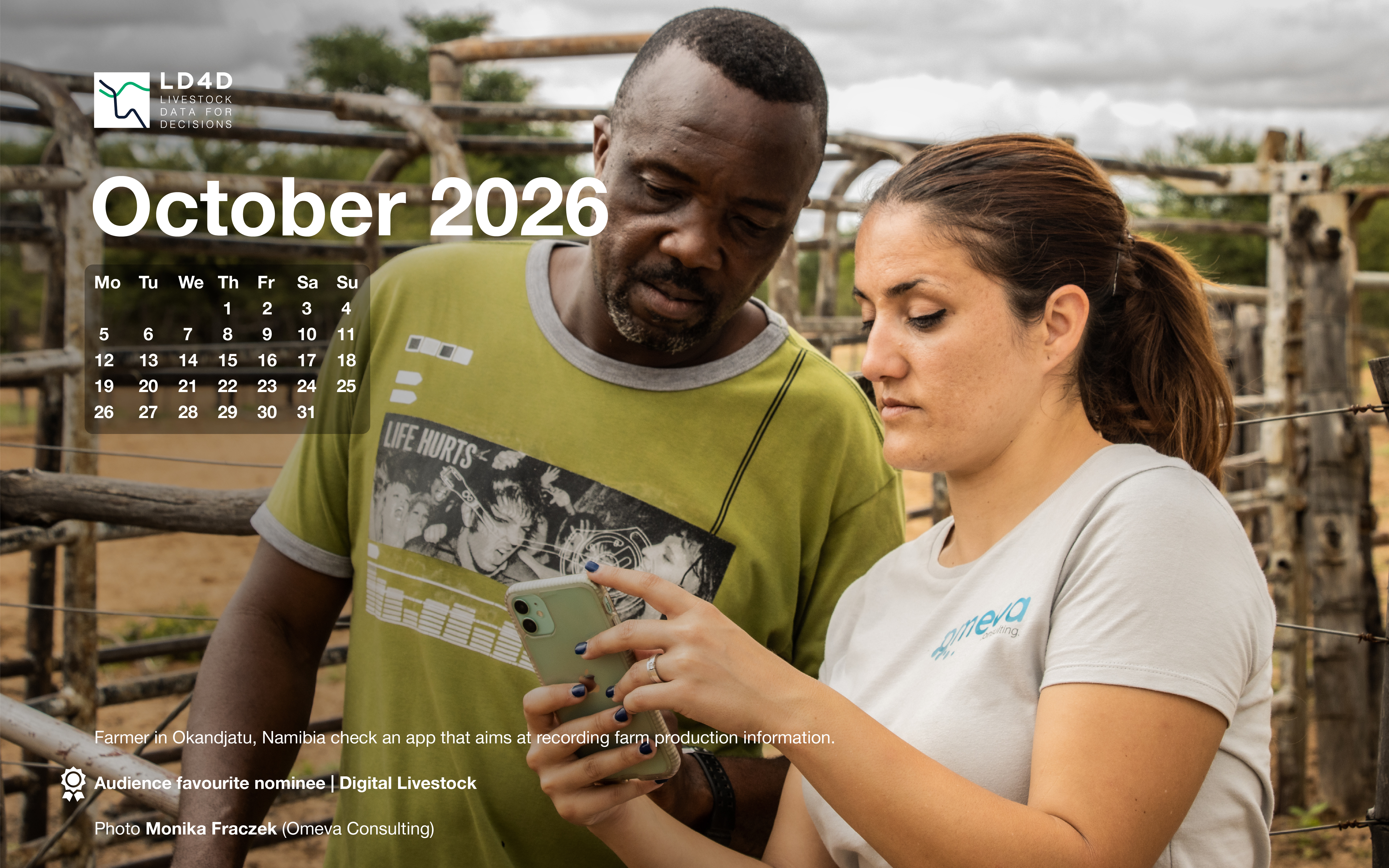
Farmer in Okandjatu, Namibia check an app that aims at recording farm production information.
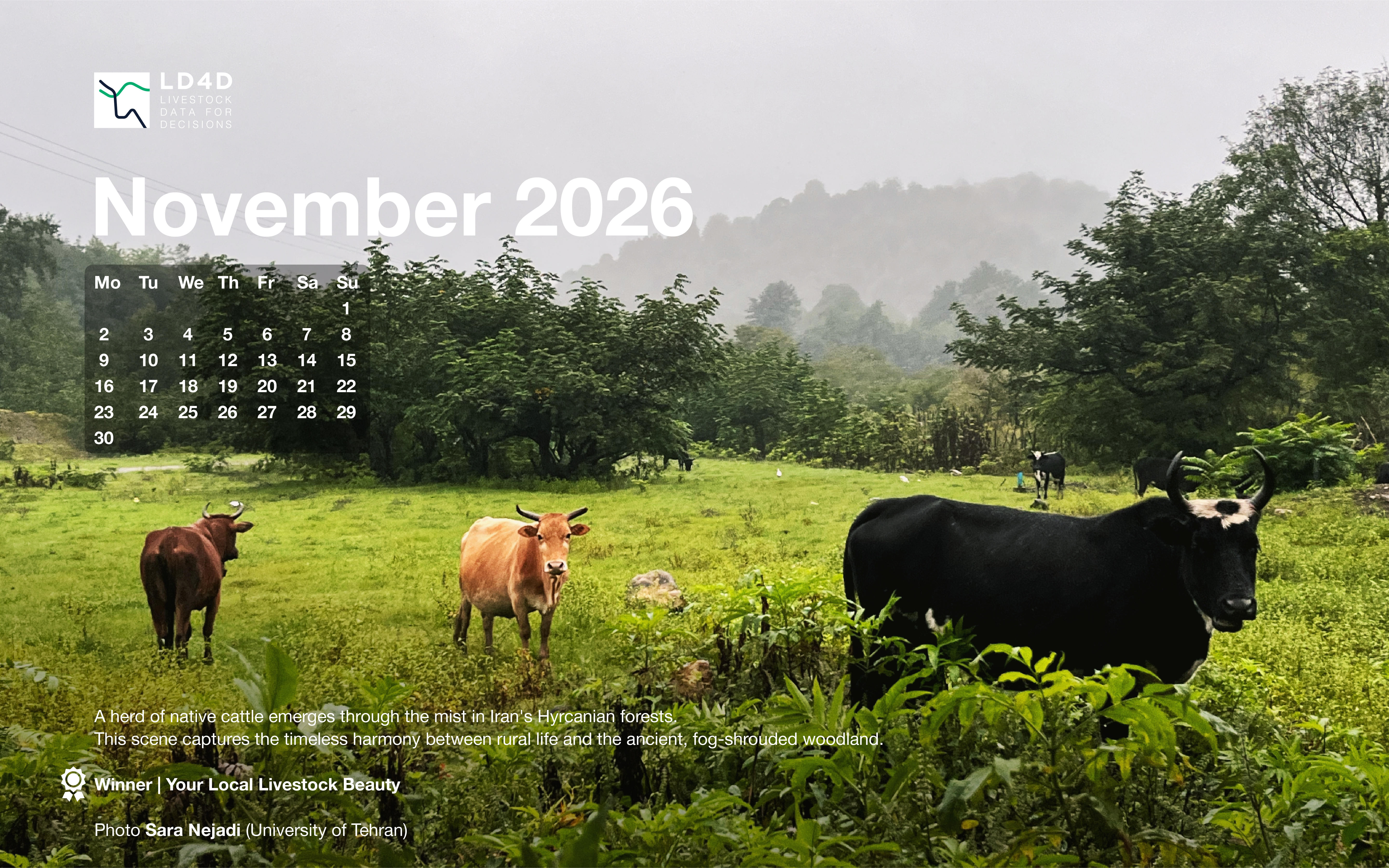
A herd of native cattle emerges through the mist in Iran's Hyrcanian forests. This scene captures the timeless harmony between rural life and the ancient, fog-shrouded woodland.
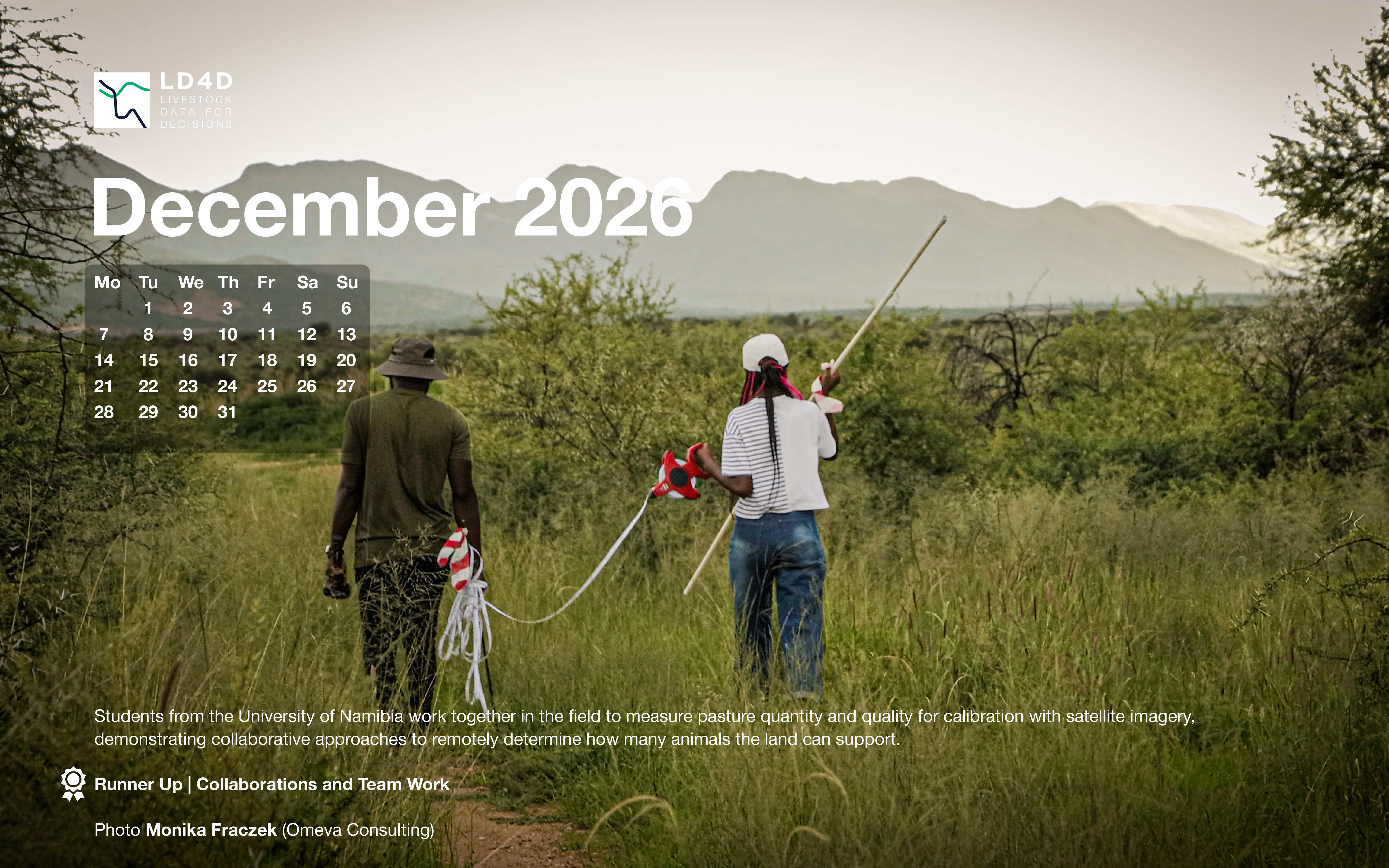
Students from the University of Namibia work together in the field to measure pasture quantity and quality for calibration with satellite imagery, demonstrating collaborative approaches to remotely determine how many animals the land can support.