Livestock Disease Evidence Consultation Report

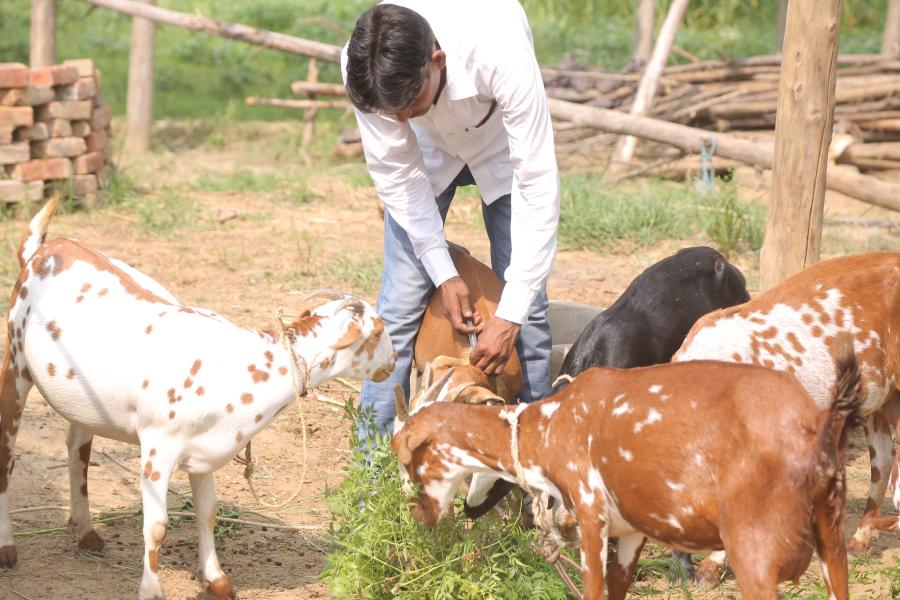
Photo: Shengena Killel (ILRI).
Citation
Background information
To learn more about why SEBI-Livestock is building a Livestock Disease Evidence Base, please visit the project website.
Livestock Disease Evidence in Africa and South Asia – SEBI-Livestock
Contact: To get in touch with the report's authors please contact SEBI-Livestock: sebi@ed.ac.uk.
Accessibility: If you require this information in a different format, please contact SEBI-Livestock: sebi@ed.ac.uk.
Executive summary
SEBI-Livestock (Supporting Evidence-Based Interventions in Livestock) is building an evidence base on livestock disease impacts across Africa and South Asia for 12 priority diseases and disease groups. This initiative will provide decision-makers with information, ranging from epidemiologic data to socioeconomic data, to prioritise interventions and allocate resources effectively, improving animal health and productivity. As part of this initiative, the Livestock Disease Evidence Consultation was designed to provide an opportunity to gather input from the international expert community on important data needs, gaps, and sources, to further strengthen and refine the evidence synthesis methods used to build this evidence base.
The three-week Livestock Disease Evidence Consultation brought together 65 experts based in 26 countries in a collaboration to strengthen livestock health evidence synthesis approaches for Africa and South Asia. Participants included veterinarians, epidemiologists, parasitologists, economists and academic librarians, amongst other expertise. Participants contributed over 250 responses across 15 discussion topics, highlighting critical evidence gaps and establishing new connections to better inform livestock health in vulnerable contexts. The strongest engagement focused on peste des petits ruminants (PPR), brucellosis and Newcastle disease. The lowest engagement was observed for sheep and goat pox, lumpy skin disease and contagious caprine pleuropneumonia.
The consultation highlighted that evidence synthesis approaches must collate data from a wide range of sources to best address the realities of disease impacts across the diverse regions of the initiative’s scope in Africa and South Asia. Key data needs and gaps addressed across disease-specific discussion rooms were around epidemiology, vaccines, economics, and gender. Participants emphasised the importance of collating evidence on epidemiological parameters frequently used in disease impact modelling, as well as vaccine coverage and cold chains. The importance of collating socioeconomic data was also highlighted. Many participants commented on the need to consider the impacts of disease on women and youth, as well as the impacts of the often-present disparity in access to vaccines and other animal health products across regions. The necessity of considering disease impacts on pastoralist communities was discussed, as those communities are often excluded from disease control and prevention efforts.
The comprehensive insights gathered from this consultation will directly inform evidence synthesis methods that better reflect real-world considerations across diverse geographic and socioeconomic contexts in Africa and South Asia.
Introduction
The global consultation initiative was developed to enhance and inform evidence synthesis approaches for livestock diseases in Africa and South Asia. SEBI-Livestock is building an evidence base for 12 livestock diseases and disease groups in Africa and South Asia, using rigorous evidence synthesis methodologies. These diseases and disease groups are:
- Brucellosis
- Contagious bovine pleuropneumonia
- Contagious caprine pleuropneumonia
- East Coast fever
- Foot and mouth disease
- Lumpy skin disease
- Newcastle disease
- Peste des petits ruminants
- Rift Valley fever
- Sheep and goat pox
- Common ectoparasites
- Common endoparasites
Data from published and grey literature will be synthesised to create a series of systematic maps. Using systematic evidence synthesis approaches will ensure the already existing data in literature and other sources is collated to provide insights. The evidence synthesis outputs will provide valuable information for decision makers and stakeholders.
Figure 1 outlines the process SEBI-Livestock is following to build the livestock disease evidence base. It is important to note that this Livestock Disease Evidence Consultation is the first step in the process. Before SEBI-Livestock finalises any evidence synthesis protocols, we acknowledge the importance of discussing data needs and gaps with disease experts based around the world, including in the countries on which our evidence synthesis is focused. Disease experts are very aware of the contextual realities of these diseases, and we would like to make sure our approaches take those contextual realities into consideration, and that we search for the data that is considered most helpful to a wide range of experts and stakeholders.

Figure 1. The steps SEBI-Livestock is taking to update the evidence base for 12 livestock diseases and disease groups. Experts were consulted prior to the finalisation of evidence synthesis protocols, and experts will be consulted again once results are obtained.
Expert Consultation
- Create an outreach campaign to connect with experts interested in providing feedback on approach
- Conduct expert consultations in partnership with LD4D on disease-specific evidence synthesis approaches
Protocol Registration
- Finalise systematic map protocols and register online
Evidence Synthesis
- Researchers conduct evidence synthesis
- Search relevant databases and screen articles for relevancy to inclusion/exclusion criteria
- Extract relevant data from included articles
Expert Consultation
- Review results with experts to ensure all contextual realities are considered
Written Products
- Create a systematic map and submit a manuscript to a peer-reviewed journal
- Post results on livestockdata.org dashboard
- Create anonymised report on insights from expert consultations
The consultation process
Together with the Livestock Data for Decisions Network (LD4D), SEBI-Livestock hosted three weeks of consultation discussions (30 June – 19 July). The purpose of this consultation was to discuss the contextual realities of the diseases, data needs, and data gaps across Africa and South Asia with experts to refine our draft protocols for this evidence synthesis initiative. The insights gained from these discussions will ensure methods of this evidence synthesis initiative are co-created on an international scale and provide outputs that are useful to a wide range of stakeholders.
The consultation was launched with a kick-off workshop on 30 June 2025; a workshop summary report is available. This was followed by three weeks of online discussions, where voluntary participants were invited to the LD4D engagement platform, powered by Open Social, where they contributed expertise and evidence while learning from others’ insights. The discussion focused on a series of structured questions about data and evidence needs, identification of data sources, and SEBI-Livestock's evidence synthesis approaches. The consultation methodology was reviewed and approved by the Human Ethical Review Committee at the Royal (Dick) School of Veterinary Studies, University of Edinburgh (HERC_2025-058). Each of the three weeks of consultation built towards a more comprehensive evidence base that reflects the current level of collective knowledge of the expert community. The expert input shared during the consultation is directly influencing how SEBI-Livestock approaches livestock disease evidence synthesis across Africa and South Asia.
Each week during the consultation, a set of structured discussion questions was posted on the online platform, as described below.
Community Building & Resource Identification
The first week (30 June-6 July) was all about getting to know each other and crowdsourcing information resources. Participants were asked the following questions to help identify additional data sources that should be considered:
- In addition to the data sources we are planning on searching (Web of Science, Scopus, PubMed, CAB Direct, African Journals Online, Google Scholar, Gates Open Research, Research4Life, CGIAR, ILRI, FAO, and Global ETD), are there any additional databases, search engines, or websites we should consider using?
- Are there any important journals or other types of publications relevant to your disease(s) of expertise that may not be located by our list of databases?
- Are there any other data sources you recommend?
- Are we missing a large body of evidence if we only include English publications? If so, in which languages is this evidence available? Which databases/sources would you recommend for accessing information in these languages?
Deep Dive into Evidence Needs
Week two (7 July-13 July) moved into disease-specific discussions (12 disease-specific online discussion ‘rooms’). Participants could join any rooms based on their expertise, to provide and discuss feedback on the following questions:
- Epidemiological parameters: Which epidemiological and production parameters would be most helpful to have collated through this evidence synthesis project for your work?
- Additional data needs: Beyond epidemiological and production parameters, what other data would benefit your work?
- Evidence base gaps – epidemiology and production: What gaps in the epidemiology and production evidence base have you encountered in your professional experience?
- Evidence base gaps – other: Are there any evidence gaps in areas other than epidemiology and production you've identified?
- Community impact considerations: Can you identify impacts on specific communities and stakeholders that our current approach might overlook?
Protocol Refinement
Finally, week three (14 July-19 July) focused on refining search protocols. This is where detailed expertise really shaped SEBI-Livestock's methods. Experts were invited to share key articles that search terms must capture; additional disease terms for search protocols; and for those interested in diving deeper, review the full draft protocols.
Consultation participant responses were fully anonymised before thematic and content analyses were conducted using Microsoft Excel and the open access software programs Airtable and R. The University of Edinburgh’s AI innovation platform, ELM, was used to assist the thematic analysis.
Insights are shared for all responses to the structured questions of weeks 1-3, with the exception of additional search terms and feedback on the disease-specific protocols. Once finalised, all disease protocols, including search terms, will be registered online and fully accessible. Additional data sources and key articles shared are included in Appendix 1 and Appendix 2, respectively.
Consultation insights
Who was in the room?
The consultation was intentionally developed to achieve a global reach, including representation from the countries facing priority livestock disease challenges. 133 representatives signed up to the platform discussions, with active participation from 65 experts (44 male, 18 female) (Figure 2) based in 26 countries (Figure 3). 66% of participants were based in Africa, and 9% based in South Asia.

Figure 2. Gender of consultation participants, as indicated by the participants.
| Gender | Participants |
|---|---|
| Female | 18 |
| Male | 44 |
| Not specified | 3 |
Overall, there was relatively high representation from Nigeria (n = 9) and Kenya (n = 8), while many countries had a single representative. Given SEBI-Livestock is based in the United Kingdom (UK), with many ‘local’ expert connections, it was expected that representation from the UK would be predominant (n = 11). Additionally, while many experts were based in the UK, many had alternative geographic regions of expertise.

Figure 3. Countries in which consultation participants are based, as indicated by the participants.
| United Kingdom | 11 |
|---|---|
| Nigeria | 9 |
| Kenya | 8 |
| Ethiopia | 6 |
| Tanzania | 4 |
| India | 3 |
| Zimbabwe | 2 |
| USA | 2 |
| Uganda | 2 |
| Bangladesh | 2 |
| Zambia | 1 |
| Togo | 1 |
| Thailand | 1 |
| South Sudan | 1 |
| Somalia | 1 |
| Rwanda | 1 |
| Nepal | 1 |
| Mauritania | 1 |
| Ivory Coast | 1 |
| Indonesia | 1 |
| Guinea | 1 |
| Ghana | 1 |
| Egypt | 1 |
| Cameroon | 1 |
| Benin | 1 |
| Australia | 1 |
Participants were from multiple sectors (Figure 4) and included academic researchers, veterinarians, epidemiologists, laboratory scientists, lecturers, technicians, extension officers, and academic librarians, amongst others. Of the 65 discussion participants, 37 (57%) attended the launch workshop. The diverse backgrounds and expertise of the consultation participants allowed us to facilitate international co-creation of project approaches.

Figure 4. Participant expertise sectors, as indicated by participants.
| Academia | 25 |
|---|---|
| Government | 13 |
| Non-profit | 9 |
| Business | 8 |
| Other | 5 |
| Multilateral | 3 |
| Funder | 2 |
Crowd-sourcing information resources
In total, 10 participants (3 male, 5 female, 2 undeclared gender) contributed to the week 1 discussion around crowd-sourcing information resources, where we specifically asked about data sources that participants recommend we use to find important data for one or more of our focused diseases during our evidence syntheses. Contributing participants were based in Kenya, Mauritania, Nigeria, the UK, the United States of America (USA), Zambia, and Zimbabwe.
While we already have a list of data sources we will be searching during our evidence syntheses, the purpose of this discussion was to ask participants if, and where, there are data sources that might not be located by widely-used databases, such as Web of Science. We also asked participants if searching for data in languages other than English would add significantly to our evidence synthesis work.
Data sources suggested were grouped into data source types. Types of data sources recommended by participants for this evidence synthesis initiative are included in Figure 5. University digital repositories, library archives, international veterinary association websites, general databases, country-specific academic journals, and bibliographic databases were the most frequently suggested data sources. Participants recommended searching for data in Arabic, French, Spanish and Portuguese, in addition to English. A detailed list of the specific data sources recommended by participants can be found in Appendix 1.

Figure 5. Frequency at which data sources were recommended by participants to be used in evidence synthesis approaches.
| University digital repositories | 6 |
|---|---|
| Library archives | 3 |
| International veterinary association websites | 3 |
| General databases | 3 |
| Country-specific academic journals | 3 |
| Bibliographic databases | 3 |
| Veterinary congress proceedings | 2 |
| International NGO repositories | 2 |
| Government archives | 2 |
| Academic journals | 2 |
Data sources that were recommended only once do not appear in Figure 5, but are listed here:
- Google Scholar
- Government reports
- International research institute websites
- Local publications
- National surveillance data
- National veterinary school associations
- National/local experts
- OIE sources (academic journals, guidelines, manuals, standards, technical reports)
- Platforms
- Reference laboratory data
- Regional bulletins
- Regional databases
- Theses
Overall themes
In each disease-specific discussion room, participants were asked about data needs and gaps related to the disease of focus, as well as about specific communities to consider in any evidence synthesis work specific to that disease. When anonymised participant responses to the discussion questions in disease-specific discussion rooms were analysed, common topics in participant responses to questions around data needs and gaps, as well as communities to consider in evidence synthesis approaches, appeared. Throughout this report, broad topics were classified into ‘themes’, and more specific topics were classified into ‘sub-themes'. Theme and sub-theme definitions are included in Appendix 3. The frequency at which each theme was emphasised as important to consider in evidence synthesis approaches, across all disease-specific discussion rooms, is summarised in Figure 6. If one participant response mentioned, for example, two sub-themes of an overall theme, that response would be considered to have two mentions of the overall theme.

Figure 6. Frequency of overall themes in responses to discussion questions across all disease-specific discussion rooms.
| Vaccine | 57 |
|---|---|
| Economics | 34 |
| Gender | 25 |
| Control | 23 |
| Movement | 21 |
| Cultural | 13 |
| Climate | 13 |
| Workforce/training | 7 |
| Policy | 3 |
| Food insecurity | 2 |
For the purposes of this analysis, responses that did not directly answer a discussion question were not included in theme counts; however, those responses that did not address a specific question are included in the summaries in the ‘Thematic summaries by disease’ section of this report. Furthermore, because participants were directly asked to identify data needs in epidemiology, production, and productivity, those themes were not included in the analysis of common themes mentioned. However, common sub-themes of epidemiology, production, and productivity noted by participants are briefly discussed at the end of this section.
The most frequently emphasised theme was vaccines (factors related to vaccine manufacturing and the cold chain, vaccine coverage, effectiveness, cost, regulation, as well as social and cultural considerations). The next most frequently emphasised theme was economics (factors related to the economic impact of disease and disease interventions). The third most frequently mentioned theme was gender (factors related to the differential impact of disease on female livestock keepers, as well as the impact of gender roles and access to training, information, and vaccines for disease). Sub-themes in each of these most frequently mentioned overall themes are displayed in Figures 7-10, with further theme and sub-theme definitions available in Appendix 3.
Within the vaccine theme, many participant comments were focused on the need for data on regional vaccination coverage, as well as cold chain reliability. It was also mentioned multiple times that data on farmer trust in, and uptake of, vaccines, as well as the distribution of community vaccination sites, is essential to understanding the successes and challenges of vaccination campaigns (Figure 7).

Figure 7. Frequency of sub-themes mentioned as part of the overall ‘vaccine’ theme across disease-specific discussion rooms.
| Vaccine coverage | 11 |
|---|---|
| Vaccine effectiveness | 9 |
| Cold chain | 8 |
| Animal based vaccination elements | 8 |
| Vaccine practices | 7 |
| Vaccine failure | 4 |
| Community and farmer components | 3 |
| Vaccine regulations | 1 |
| Vaccine manufacturing | 1 |
| Lack of vaccine supply/financing | 1 |
| Gender | 1 |
| Economics | 1 |
| Culture | 1 |
Of the top three most frequently mentioned themes, economics received significant emphasis in participant comments. Of the economics sub-themes, ‘basic economics’ was the most mentioned, which refers to macroeconomic and microeconomic data (Figure 8). Many comments communicated the need for more data on the socioeconomic impacts of disease, as well as empowerment benefits of investments in specific communities. It was acknowledged that the economic impacts of disease may vary widely across not only the value chain, but across different communities, and that differential impact should be considered while approaching evidence synthesis work.

Figure 8. Frequency of sub-themes mentioned as part of the overall ‘economics’ theme across disease-specific discussion rooms.
| Basic economics | 13 |
|---|---|
| Cultural aspects | 11 |
| Costs of components of value chain and disease control | 7 |
| Specific communities impacted | 2 |
| Investments | 1 |
Gender was among the top three most frequently mentioned themes in participant comments. Within that theme, the sub-themes of community consideration and impact of disease were most mentioned. Within these sub-themes, participants emphasised the importance of considering women’s perspectives on disease and disease control, as well as synthesising data on gender roles within communities and households. Participants commented on how these gender roles may influence disease dynamics, such as through decreased livestock vaccine access for women livestock holders, as well as the different impact of disease on women and youth compared to men (Figure 9).

Figure 9. Frequency of sub-themes mentioned as part of the overall 'gender' theme across disease-specific discussion rooms.
| Community consideration | 6 |
|---|---|
| Impact of disease | 5 |
| Youth considerations | 3 |
| Household/management dynamics | 3 |
| Decision-making | 3 |
| Access to services/vaccines & policy | 3 |
| Training | 2 |
Discussion questions in disease-specific rooms asked participants to identify data needs and gaps in epidemiological parameters. Many epidemiological parameters were identified, with comments highlighting the need for, and lack of, data related to these sub-themes: disease burden, such as incidence, prevalence, morbidity, and mortality; and disease transmission and progression dynamics, such as transmission-related factors, incubation period, and reinfection rates (Figure 10). Many of these data points are helpful as input parameters for animal health modelling and will be essential for various modelling groups aiming to update model input parameters. Another sub-theme that was mentioned frequently in participant comments was the sub-theme of host factors. Host factor data such as host species, age, breed, and nutritional status were recommended to be extracted during our evidence synthesis initiative.

Figure 10. Frequency of sub-themes mentioned as part of the overall ‘epidemiology’ theme across disease-specific discussion rooms.
| Disease burden | 26 |
|---|---|
| Transmission and progression dynamics | 13 |
| Host factors | 11 |
| Temporal characteristics | 8 |
| Geography | 8 |
| Farm practices | 8 |
| Diagnostics | 8 |
| Strains | 6 |
| Vectors | 5 |
| Climate | 3 |
| Drugs | 2 |
| Cross-sectoral integration | 1 |
Participants were asked to identify data needs and gaps in production and productivity parameters. Nine comments mentioned the need for, and lack of, production data on reproduction, draft power, and/or milk production. 11 comments mentioned the need for, and lack of, productivity data, specifically related to reproduction, animal growth, and/or milk production.
Thematic summaries by disease
During weeks 2 and 3, there were varying levels of engagement across all twelve disease discussion rooms, with some receiving more input than others, and with varying numbers of experts contributing to each topic. An overview of responses and experts per disease-specific discussion room is shown in Figure 11.

Figure 11. Number of experts posting comments in each disease-specific discussion room, and number of comments posted in each disease-specific discussion room.
| Number of comments | Number of experts | |
|---|---|---|
| Peste des petits ruminants | 48 | 17 |
| Newcastle disease | 29 | 10 |
| Brucellosis | 25 | 13 |
| Foot and mouth disease | 16 | 10 |
| Common ectoparasites | 16 | 8 |
| Common endoparasites | 13 | 7 |
| Contagious bovine pleuropneumonia | 11 | 8 |
| Rift Valley fever | 9 | 3 |
| East Coast fever | 9 | 3 |
| Lumpy skin disease | 4 | 3 |
| Contagious caprine pleuropneumonia | 4 | 3 |
| Sheep and goat pox | 2 | 2 |
Summaries of discussions on disease-specific topics follow. While some participant responses directly answered the discussion questions related to data needs, gaps and special community considerations, some responses provided information on the general disease situation in various settings; both response formats are highly valuable. In each disease-specific section below, there is a general summary of both types of responses, followed by a quantitative summary of themes from responses directly answering discussion questions.
Brucellosis
13 participants (7 male, 5 female, 1 undeclared gender) based in Bangladesh, Cote d’Ivoire, Guinea, India, Kenya, Rwanda, Tanzania, the UK and Zambia contributed to this disease-specific discussion room.
General participant discussion themes - Participant discussions raised several themes for brucellosis:
One Health approach: Integrating brucellosis into a One Health framework adds value by addressing the disease across human, animal, and environmental health sectors.
Diagnostic and vaccination challenges: There is a need for rapid diagnostic kits and vaccination improvements, particularly for goats, due to the prevalence of Brucella melitensis.
Transmission and cultural practices: Understanding livestock trading practices and the interactions between humans and animals is crucial. Cultural practices like raw milk consumption contribute to transmission.
Gender and community impact: Women often manage livestock but are underrepresented in research. Community-specific interventions are needed to address socio-cultural and economic factors.
Policy and implementation: Issues include lack of harmonized testing schemes, inconsistent data, and limited vaccination efforts. Cross-sectoral collaboration is essential.
Economic perspective: Financial assessments of brucellosis impacts on livestock production are rare and often build on existing studies, highlighting the need for updated, comprehensive data.
Research needs:
- Need for data on the incidence, transmission, and economic impacts in diverse farming systems
- Lack of surveillance and economic assessments can hinder effective control strategies
- Limited data on brucellosis impacts in humans, often confused with other diseases like malaria
- Further literature reviews to include non-English sources and grey literature for regional insights
- Integration of local knowledge and practices into control strategies
- More studies on the role of small ruminants in transmission
In general, it was felt that a multi-faceted approach that combines diagnostics, vaccination, cultural understanding, and cross-sector collaboration is crucial for effective brucellosis management and control.
Quantitative analysis on responses related to data needs and gaps
Quantitative content analysis of participant responses to discussion questions highlighted the frequency at which themes were mentioned. Of those participants who responded to discussion questions regarding data needs, data gaps, and specific communities to consider, participants most often commented on the importance of synthesizing economic, cultural, and vaccine data for this evidence synthesis initiative (Figure 12). Sub-themes of economic data emphasised were basic economics, including microeconomic and macroeconomic factors, and cultural aspects. Sub-themes of cultural data mentioned were culture and practices, and the need for cultural data. Sub-themes of vaccine data emphasised were vaccine effectiveness and lack of vaccine supply/financing.

Figure 12. Content analysis themes of participant responses to brucellosis discussion questions. Numbers indicate the number of responses with the indicated theme.
| Movement | 1 |
|---|---|
| Gender | 1 |
| Control | 1 |
| Vaccine | 2 |
| Cultural | 2 |
| Economics | 3 |
In response to the discussion questions asking what specific epidemiological data needs and gaps there are, sub-themes of epidemiological data emphasised were disease burden parameters, diagnostics, farm practices, strains, and transmission and progression dynamics.
Contagious bovine pleuropneumonia
A total of eight participants (5 male, 3 female) based in Ethiopia, Ghana, Guinea, Kenya, Thailand, Togo and Zambia took part in this disease discussion.
General participant discussion themes - Participant discussions raised several themes for contagious bovine pleuropneumonia (CBPP):
Challenges in Togo: Communal grazing and CBPP hinder cattle farming due to limited public investment and expensive vaccines. Vaccine failures reduce trust between farmers and technicians, and there is a lack of rapid diagnostic tests.
Cross-border coordination: Ineffective regional policies and transboundary livestock movement complicate disease control efforts. Strengthening collaboration and common objectives is essential.
Cold chain management: A significant issue is maintaining vaccines at the correct temperature (-20°C or lower). Improved freezer quality and temperature monitoring are crucial to ensure vaccine efficacy.
Prevalence and economic impact: In areas like Guinea and northern Ghana, CBPP is prevalent due to communal grazing and lack of professional veterinary advice. Detection often occurs during meat inspection.
Vaccines and treatments: Current vaccines have limited efficacy (50-70%) and face safety challenges. Antibiotic treatments show promise, with strategies involving repeated rounds of vaccination and case detection.
Historical context: Significant research from the 1990s to mid-2000s addresses similar diagnostic and control challenges, as noted in various reviews.
Research needs: There is a need for better epidemiological data, improved diagnostics that differentiate between vaccinated and infected animals, and studies on farmers' willingness to adopt improved vaccines. Knowledge, Attitudes, and Practices (KAP) studies could uncover additional barriers to CBPP control efforts.
Quantitative analysis on responses related to data needs and gaps
Quantitative content analysis highlighted how many times themes were mentioned. Participants most often commented on the importance of synthesising evidence on vaccines, gender, and movement (Figure 13). Sub-themes of vaccines mentioned were animal-based vaccination elements, cold chain, community and farmer components, culture, gender, vaccine coverage, vaccine effectiveness, and vaccine manufacturing. Sub-themes of gender that were emphasised were access to services/vaccines & policy, household/management dynamics, training, and youth considerations. Sub-themes of movement that were mentioned were general movement, environment, specific communities, and participation and inclusion in disease control/prevention.

Figure 13. Content analysis themes of participant responses to contagious bovine pleuropneumonia. Numbers indicate the number of responses with the indicated theme.
| Workforce/training | 1 |
|---|---|
| Food insecurity | 1 |
| Climate | 1 |
| Policy | 2 |
| Movement | 3 |
| Economics | 3 |
| Cultural | 3 |
| Gender | 4 |
| Vaccine | 8 |
In response to the discussion questions asking what specific epidemiological data needs and gaps there are, common sub-themes mentioned were disease burden parameters, diagnostics, drugs, farm practices, host factors, transmission and progression dynamics, and strains.
Contagious caprine pleuropneumonia
For contagious caprine pleuropneumonia (CCPP), three experts (2 male, 1 female) based in Kenya and the USA provided responses.
General participant discussion themes - Participant discussions raised several themes for CCPP:
Decision-making: Policymakers require reliable economic impact data to justify budget allocations and policy changes.
Vaccine access, quality and efficacy: There are few studies on barriers to CCPP vaccine access, especially in government-controlled areas. The efficacy of vaccines is sometimes in question, with issues like mould growth and post-vaccination reactions.
Unequal access to animal health services: There is qualitative evidence of structural barriers affecting women and disadvantaged groups in animal health services, which could be addressed with targeted interventions.
Diagnostic challenges: Confirming CCPP as the cause of death is difficult due to limitations in diagnostic methods. Mycoplasma growth challenges, cost-prohibitive PCR, and cross-reactivity in serological tests contribute to diagnostic uncertainty.
Research needs:
- Long-term data collection is essential to quantify the financial, nutritional, and empowerment benefits of investing in small ruminant health.
- Include diagnostic performance details in data extraction.
- Stratify evidence by diagnostic method when assessing disease burden or prevalence.
- Validate postmortem PCR or LAMP-based methods.
- Recognize the barriers to confirming CCPP deaths, especially in pastoral systems reliant on necropsies alone.
- There is a critical need to address diagnostic ambiguities to accurately estimate CCPP's true burden and guide effective response strategies.
Quantitative analysis on responses related to data needs and gaps
Quantitative content analysis highlighted how many times themes were mentioned. Participants most often commented on the importance of synthesising evidence on vaccines (Figure 14). Vaccine sub-themes mentioned were animal-based vaccination elements and vaccine effectiveness.

Figure 14. Content analysis themes of participant responses to contagious caprine pleuropneumonia discussion questions. Numbers indicate the number of responses with the indicated theme.
| Food security | 1 |
|---|---|
| Economics | 1 |
| Vaccine | 2 |
In response to the discussion questions asking what specific epidemiological data needs and gaps there are, one sub-theme was mentioned, which was diagnostics.
East Coast fever
Three participants (2 male, 1 female) based in Rwanda and the UK participated in discussions around East Coast fever (ECF).
General participant discussion themes - Participants outlined important considerations and data gaps for managing ECF, focusing on Rwanda:
Suggested search terms:
- Include "tropical theileriosis", "Theileria annulata" and "Theileria orientalis" for comprehensive searches.
Epidemiological priorities:
- Incidence, prevalence, and diagnostic issues of ECF
- Diversity among strains, vectors, hosts, and geographical distribution
- Co-infections and herd dynamics
- Cultural and environmental factors:
- Livestock practices, veterinary access, and dipping methods
- The impact of climatic conditions and proximity to game reserves
Challenges in prevention:
- The practical and financial implications of control measures, including vaccination
- Need for robust cold chains and early treatment interventions
Socioeconomic and community considerations:
- Impact on smallholder farmers, women, youth, and pastoralists
- The role of cultural beliefs in disease management
Policy and implementation barriers:
- Gaps in enforcement, veterinary capacity, and barriers to the adoption of control strategies
Important literature:
- Studies on vaccine deployment and epidemiology in Rwanda
Critical data gaps:
- Surveillance data to track outbreaks and tick distribution
- Vaccine coverage and effectiveness
- Real-time data and long-term studies on transmission and vaccination
Priority areas for research:
- Surveillance and outbreak data
- Vaccination effectiveness
- Economic impact analyses
- Access to veterinary services and influence of cultural practices
Participants emphasized the critical need for comprehensive data and strategic interventions to improve ECF control and mitigation efforts in Rwanda.
Quantitative analysis on responses related to data needs and gaps
Economics, control, and vaccines were the predominant themes (Figure 15). Economic sub-themes were basic economics, costs of components of the value chain and disease control, cultural aspects, and specific communities impacted. Control sub-themes were barriers to control, cost, dipping, gender in disease control, and tradition/culture. Vaccine sub-themes were vaccine coverage, vaccine effectiveness, and vaccine practices.

Figure 15. Content analysis themes of participant responses to East Coast fever discussion questions. Numbers indicate the number of responses with the indicated theme.
| Workforce/training | 1 |
|---|---|
| Movement | 2 |
| Cultural | 3 |
| Climate | 3 |
| Gender | 4 |
| Vaccine | 5 |
| Economics | 6 |
| Control | 6 |
In response to the discussion questions asking what specific epidemiological data needs and gaps there are, common sub-themes mentioned were disease burden parameters, climate, diagnostics, drugs, farm practices, geography, host factors, transmission and progression dynamics, strains, temporal characteristics, and vectors.
Foot and mouth disease
Foot and mouth disease (FMD) had a relatively high number of participants with 10 (8 male, 2 female), based in Bangladesh, Guinea, Indonesia, Nigeria, Rwanda, South Sudan, Thailand, Togo and the UK.
General participant discussion themes - Summary of points raised in participant discussion:
Gender-specific impact: FMD significantly affects smallholder farmers, particularly women, by reducing livestock production and causing economic strain.
Regional coordination: Ineffective transboundary disease policies require strengthened regional cooperation and shared strategies, including studies on circulating serotypes for coordinated vaccination.
Community impact: Smallholder and marginal farmers, especially pastoralists, face unique challenges. Cultural practices and local knowledge should be integrated into control strategies.
Regional challenges: In Togo, communal grazing and limited public investment in vaccination hinder FMD control. Vaccine trust issues and diagnostic delays further complicate efforts. In Guinea, endemic FMD and porous borders complicate control efforts. Larger livestock populations without biosecurity measures exacerbate the situation.
Recommendations: Address gaps in nutritional support for affected animals and understand cultural priorities in disease management. Farmers often prioritize diseases differently based on immediate survival impacts.
Critical literature: Key studies on FMD’s economic impacts and field diagnostics are available. Inclusion of grey literature and non-English sources is recommended for a comprehensive understanding.
Evidence gaps:
- Need data on outbreak dynamics, vaccine effectiveness, and post-infection impacts
- Lack of region-specific vaccine coverage hinders program evaluation.
- Long-term impacts on milk yield and reproduction are under-reported.
Quantitative analysis on responses related to data needs and gaps
Economic, vaccine, and cultural data were the predominant themes identified in responses (Figure 16). Sub-themes for economic data were basic economics, costs of components of the value chain and disease control, and cultural aspects. Vaccine sub-themes were animal-based vaccination elements, vaccine coverage, vaccine failure, and vaccine practices. Cultural sub-themes mentioned were culture and practices, impact of disease on culture, the need for cultural data, and cultural aspects.

Figure 16. Content analysis themes of participant responses to foot and mouth disease discussion questions. Numbers indicate the number of responses with the indicated theme.
| Movement | 1 |
|---|---|
| Gender | 2 |
| Control | 2 |
| Cultural | 3 |
| Vaccine | 4 |
| Economics | 4 |
In response to the discussion questions asking what specific epidemiological data needs and gaps there are, common epidemiological sub-themes mentioned were disease burden parameters, farm practices, geography, host factors, transmission and progression parameters, strains, and temporal characteristics.
Lumpy skin disease
Three (all male) experts, based in Bangladesh, Tanzania and Zimbabwe contributed to the discussions on lumpy skin disease (LSD).
General participant discussion themes - Participants stated important considerations for managing LSD, emphasizing several crucial aspects:
Land use and settlement: Farmers often lack land ownership and understanding of land policies, affecting disease prevention efforts. Infrastructure for stable farming systems is needed.
Vaccination and costs: The high cost of LSD vaccination can be prohibitive for smallholder farmers. There is a need to explore the justification for mandatory vaccination and potential funding mechanisms.
Community impact: Conducting socio-economic impact assessments is vital. A community-wide approach is recommended to address the high costs and limited doses available.
Research needs:
- Spatial and temporal distribution of LSD
- Vaccine efficacy
- Disease seasonality
- Impact of climatic conditions
- Role of wild and domestic animals in disease transmission
- Impact of disease on food security, especially for smallholders
- Socioeconomic impact of disease on vulnerable groups
Quantitative analysis on responses related to data needs and gaps
Vaccine, gender, and movement data were the predominant themes (Figure 17). Sub-themes for vaccine data were cold chain, vaccine effectiveness, and vaccine regulations. Sub-themes for gender data were impact of disease and community consideration. Sub-themes mentioned for movement data were general movement and specific communities.

Figure 17. Content analysis themes of participant responses to lumpy skin disease discussion questions. Numbers indicate the number of responses with the indicated theme.
| Food insecurity | 1 |
|---|---|
| Economics | 1 |
| Cultural | 1 |
| Climate | 1 |
| Movement | 2 |
| Gender | 2 |
| Vaccine | 3 |
In response to the discussion questions asking what specific epidemiological data needs and gaps there are, common epidemiological sub-themes mentioned were disease burden parameters, climate, geography, host factors, strains, temporal characteristics, and vectors.
Newcastle disease
For the discussions on Newcastle disease (ND), 10 experts (5 male, 5 female) based in Australia, Egypt, Ethiopia, Guinea, Kenya, Nigeria, Tanzania and the UK contributed.
General participant discussion themes - Themes and points regarding Newcastle disease (ND) and its management that were discussed are summarised here:
Traditional and local insights:
- Smallholder farmers in Kigoma linked ND outbreaks to the mango flowering season, although scientific evidence is lacking. Local observations suggest environmental factors may affect chicken immunity.
Vaccination and gender dynamics:
- "Tatu Moja" vaccine is used, requiring re-vaccination every four months.
- In many households, men make vaccination decisions, even though women actively care for poultry.
Barriers to disease control:
- Gaps in surveillance, vaccination coverage, and reliable cold chain infrastructure impact effective ND control.
Challenges in reporting and training:
- Late or non-reporting is an issue, particularly in rural and backyard systems. Integrating indigenous knowledge could improve early detection.
- Training programs often exclude women, despite their central role in poultry management.
Economic impact:
- ND causes significant economic losses in countries like Ethiopia and Tanzania, affecting poultry production through high mortality rates and reduced egg production.
Infrastructure and access:
- Limited veterinary services and poor infrastructure hinder effective ND management, particularly in smallholder contexts.
Solutions:
- A three-in-one vaccine, "Tatu Moja," is being promoted to tackle ND, fowl pox, and infectious coryza in Tanzania.
Evidence gaps:
- Cost-benefit analysis of ND vaccination
- ND prevalence, vaccine efficacy, and cold chain reliability, especially in rural areas
- Integration of community insights and improvement of data collection at local levels
Overall, addressing ND requires a comprehensive approach, integrating scientific research, local knowledge, gender-inclusive strategies, and improved infrastructure for prevention and response.
Quantitative analysis on responses related to data needs and gaps
Vaccine and gender data were the predominant themes in participant responses (Figure 18). Vaccine sub-themes were animal-based vaccination elements, cold chain, community and farmer components, economics, vaccine coverage, vaccine effectiveness, vaccine failure, and vaccine practices. Gender sub-themes were community decision-making, community consideration, household/management dynamics, and training.

Figure 18. Content analysis themes of participant responses to Newcastle disease discussion questions. Numbers indicate the number of responses with the indicated theme.
| Economics | 1 |
|---|---|
| Cultural | 1 |
| Climate | 1 |
| Workforce/training | 2 |
| Control | 2 |
| Gender | 5 |
| Vaccine | 14 |
In response to the discussion questions asking what specific epidemiological data needs and gaps there are, common epidemiological sub-themes mentioned were disease burden parameters, climate, farm practices, geography, host factors, transmission and progression dynamics, and temporal characteristics.
Peste des petits ruminants
A total of 17 experts (11 male, 6 female) contributed to the peste des petits ruminants (PPR) discussion, based in Australia, Bangladesh, Ethiopia, Guinea, Kenya, Nigeria, Thailand, Togo, Uganda, UK, USA and Zambia.
General participant discussion themes - Points regarding PPR and its management that were discussed are summarised here:
Veterinary workforce:
- Solutions are needed to the challenges in integrating Community Animal Health Workers (CAHWs) in disease control efforts due to regulatory issues and other obstacles.
- New WOAH guidelines offer opportunities for improving vet capacity.
- Limited vet presence in rural areas; reliance on paravets.
Vaccination challenges:
- Challenges with vaccine cold chain integrity and effectiveness.
- Dose packaging of vaccines and cost of production of smaller number of doses.
Community and economic impact:
- Small ruminants are vital economic assets and safety nets for rural households.
- PPR outbreaks exacerbate poverty and malnutrition.
Coordination and infrastructure:
- Increased coordination needed between countries on disease control.
- Lack of rapid diagnostic tests in the field.
- Challenges in public investment and vaccine subsidies.
Recommendations:
- Improve cold chain infrastructure and explore thermostable vaccines.
- Enhance community-based vaccination approaches.
- Measure the cost of control and eradication programs for better impact assessment.
Broader regional concerns:
- Consider impact in countries like China, Mongolia, Central Asian countries, and Middle Eastern countries.
- Upcoming events during the International Year of Rangelands and Pastoralists could address these issues further.
Data needs:
- Further geographical distribution of data
- More seroprevalence studies
- Confirmation of PPR absence in countries where absence has not been confirmed
- Veterinary workforce availability (veterinarians, veterinary paraprofessionals, and CAHWs) for vaccination and control efforts in rural areas
- Frequency of vaccine failure
- Actual vaccination coverage
- Socioeconomic studies to aid advocacy and policy support
- Animal movements and transhumance, particularly for small ruminants
Quantitative analysis on responses related to data needs and gaps
The predominant themes in participant responses were the importance of data on vaccines, movement, and economics (Figure 19). Sub-themes for vaccines were animal-based vaccination elements, cold chain, vaccine coverage, vaccine effectiveness, vaccine failure and vaccine practices. Movement sub-themes were general movement, seasonal movement and specific communities. Sub-themes of economic data were basic economics, cultural aspects, and costs of components of the value chain and disease control.

Figure 19. Content analysis themes of participant responses to peste des petits ruminants discussion questions. Numbers indicate the number of responses with the indicated theme.
| Cultural | 1 |
|---|---|
| Workforce/training | 2 |
| Control | 2 |
| Gender | 4 |
| Economics | 7 |
| Movement | 8 |
| Vaccine | 16 |
In response to the discussion questions asking what specific epidemiological data needs and gaps there are, common epidemiological sub-themes mentioned were disease burden parameters, farm practices, geography, host factors, temporal characteristics, and transmission and progression dynamics.
Rift Valley fever
Three participants (all male) based in Kenya, Rwanda and Thailand took part in the discussions on Rift Valley fever (RVF).
General participant discussion themes - Themes and points on RVF in Rwanda and beyond are summarised here:
Community impact considerations:
- Smallholder and female-headed households are disproportionately affected.
- Vulnerable groups such as youth, and those at risk such as butchers and border communities, face unique challenges.
Socioeconomic consequences:
- Measures such as closing slaughter facilities have harmed meat markets without controlling outbreaks.
- Understanding the socioeconomic cost of control measures is essential.
Reporting and response mechanisms:
- Encouraging disease reporting is critical, with community fears of quarantine impacting reporting.
- Past projects like Kenya Red Cross’s CP3 highlight the importance of community engagement but face funding challenges.
Genomic epidemiology:
- Studies on the genomic epidemiology of RVF provide insights into outbreaks and transmission.
Research needs:
- Epidemiological parameters
- Incidence rates
- Vector populations
- Zoonotic transmission dynamics
- Long-term surveillance, detailed entomological data, and integrated sectoral cooperation
- Vaccination coverage
- Economic losses
- Smallholder farmers' adaptation strategies to RVF through qualitative research.
- Qualitative interviews can provide insights into traditional knowledge and local adaptation strategies
- Gender dynamics
- Cultural practices
- Traditional knowledge
- Environmental factors
- Impact of disease on markets, trade, and access to animal health services
- Better socioeconomic impact assessments and effective risk communication strategies
Overall, a comprehensive approach combining qualitative and quantitative data, community engagement, and coordinated policy efforts is necessary for effective RVF management and adaptation strategies.
Quantitative analysis on responses related to data needs and gaps
The predominant themes in participant responses were the importance of economic, gender, and climate data (Figure 20). Economic sub-themes were basic economics, costs of components of the value chain and disease control, cultural aspects, and specific communities impacted. Gender sub-themes mentioned were impact of disease, youth considerations, and access to services/vaccines and policy. Climate sub-themes were disease transmission, vectors, and cross-sectoral integration.

Figure 20. Content analysis themes of participant responses to Rift Valley fever discussion questions. Numbers indicate the number of responses with the indicated theme.
| Cultural | 1 |
|---|---|
| Vaccine | 2 |
| Movement | 2 |
| Control | 2 |
| Gender | 3 |
| Climate | 3 |
| Economics | 5 |
In response to the discussion questions asking what specific epidemiological data needs and gaps there are, common epidemiological sub-themes mentioned were disease burden parameters, cross-sectoral integration, geography, host factors, transmission and progression dynamics, temporal characteristics, and vectors.
Sheep and goat pox
For sheep and goat pox (SGP), two participants (1 male, 1 female) based in Nigeria and Thailand contributed to the discussion.
General participant discussion themes - Participants discussed the lack of published data on the incidence and prevalence of sheep pox and goat pox. Although these diseases were deemed important and vaccines were developed, the dynamics have since changed. Participants suggested that reports from past participatory assessments in East Africa, especially from the rinderpest era, might contain relevant data.
Discussion points include:
- Factors such as breed, farming system, and age are crucial for understanding disease impact. SGP is prevalent and severe in some regions, influenced by geographic, climatic, and transmission factors.
- Smallholder farmers are primarily affected, with mixed farming practices contributing to disease spread.
- Cattle markets and backyard farmers with small herds are involved in the spread of these diseases.
Quantitative analysis on responses related to data needs and gaps
There were only two responses in this disease discussion, both of which were on the importance of epidemiological data, with the sub-themes of disease burden parameters and disease transmission and progression dynamics emphasised.
Common ectoparasites
A total of eight participants (6 male, 2 female) based in Ethiopia, India, Kenya, Nigeria, Rwanda, the UK and the USA joined this discussion.
Due to the broad and diverse nature of ectoparasites, there could be many different questions to ask about the evidence base, so we wanted to find out from the international research community what information was needed most. As such, the questions for weeks 2 and 3 for common ectoparasite evidence were slightly different to those posed for the previous disease topics and are stated here:
Week 2 (7 July–13 July) - Deep Dive into Evidence Needs
For week two, we asked:
- For your work on ectoparasites, which data would it be most helpful to have? Are there any specific ectoparasites [genera/species/groupings] it would be most helpful to have this data for?
- What are some gaps in the evidence base for ectoparasites that you have encountered in your work?
- Can you think of any impacts of ectoparasites on specific communities and stakeholders that our current approach will not consider?
- What is a burning research question you think we could consider to guide our evidence synthesis for ectoparasites in Africa and South Asia?
- What ectoparasite co-infections are common in the area you work?
Week 3 (14 July–20 July) - Protocol-specific questions
In week three, questions were based on the comments suggested in week two.
- A few general recurrent themes were noted in the responses to week 2’s questions, so a poll was provided where themes could be ranked based on importance to participants. The goal of this poll was to develop an idea of themes important to experts to help shape an ectoparasite research question.
- A second poll asked what other themes should be considered when shaping the research question.
- A third question asked for important articles for ectoparasites that we should ensure our systematic searching and evidence synthesis techniques locate.
Ectoparasite Discussion Responses
General participant discussion themes - themes and points on common ectoparasite challenges in livestock are summarised here:
Identification and management:
- Farmers struggle to identify specific ectoparasites, though they notice changes in infestation levels.
- Photoelicitation methods help identify ectoparasite types.
Impact of climate and land use change:
- Climate change and land use alterations have led to increased ectoparasite populations, particularly ticks, resulting in more zoonotic diseases.
- There's a growing reliance on chemicals and antimicrobials, necessitating better management practices combining traditional knowledge and modern science.
Burden and economic impact:
- Ectoparasites significantly impact livestock productivity, particularly in tropical regions, with estimated costs over USD 6 billion annually in Africa.
Tick-borne diseases (TBD):
- TBD is exacerbated by climate change, breed structure changes, and acaricide resistance.
- Effective control requires geographically tailored strategies and integrated management.
Resistance issues:
- Acaricide resistance is a major problem, with limited diagnostics and surveillance.
- In Africa, resistance to common acaricides is escalating, threatening control efforts.
- Managing resistance requires better understanding and adaptation of control measures.
Control strategies and research needs:
- There is a need for integrated ectoparasite management, focusing on sustainable practices and better education.
- Research should explore links between ectoparasites and endoparasites, considering their combined effects on livestock health.
Community and system-specific considerations:
- The significance of ectoparasites varies by system, host species, and local conditions.
- Control practices should be adapted to specific environmental and climatic contexts.
One Health approach:
- Interdisciplinary strategies are essential to address both animal and human health impacts.
- A collective approach to controlling both ectoparasites and endoparasites will improve sustainability and effectiveness.
Overall, addressing ectoparasite challenges requires a comprehensive approach that considers environmental factors, resistance management, and integrated control strategies.
Quantitative analysis on responses related to data needs and gaps
Sub-themes specific for ectoparasites were identified in participant responses to discussion questions and are defined in Appendix 3. Quantitative content analysis highlighted how many times sub-themes were mentioned. Figure 21 shows that, for ectoparasites, the predominant sub-themes were acaricide use, control practices, and acaricide resistance.

Figure 21. Content analysis sub-themes of participant responses to ectoparasite discussion questions. Numbers indicate the number of responses with the indicated sub-theme.
| Ticks and tick-borne disease | 1 |
|---|---|
| Impacts of ectoparasites | 1 |
| Impacts of ectoparasites | 1 |
| Diagnostics | 1 |
| Community impacts | 1 |
| Other ectoparasites | 2 |
| Drug quality | 2 |
| Control practices | 3 |
| Acaricide resistance | 3 |
| Acaricide use | 4 |
Four participants completed poll 1 and poll 2, with responses shown in Figures 22 and 23. Ectoparasite poll 1 (Figure 22) indicated that ectoparasite management strategies were ranked as most important in forming an evidence synthesis research question, followed by ectoparasite distribution, control product use and access, drug resistance, and the lowest ranked co-infections and disease syndromes.

Figure 22. Ectoparasite poll 1 – Responses to question: “Based on a few general themes that were recurrent in participant suggestions, please rank the themes based on importance to you”. ‘Ectoparasite Management Strategies’ refers to management strategies other than use of control products, such as acaricides.
| Strategy | 1st | 2nd | 3rd | 4th | 5th |
|---|---|---|---|---|---|
| Ectoparasite Management Strategies | 2 | 1 | 0 | 0 | 1 |
| Ectoparasite Distribution | 1 | 1 | 0 | 2 | 0 |
| Ectoparasite Control Product Use and Access | 0 | 2 | 1 | 1 | 0 |
| Ectoparasite Drug Resistance | 2 | 0 | 2 | 1 | 0 |
| Co-Infections and Disease Syndromes | 0 | 0 | 1 | 0 | 3 |
Ectoparasite poll 2 (Figure 23) indicated that all four responding participants considered farmer education on ectoparasite management, and effects of climate change on ectoparasite distribution and prevalence, to be the most important sub-themes to include in a research question.

Figure 23. Ectoparasite poll 2 – Response to question: “Within the broader themes in poll 1, which sub-theme(s) listed do you consider most important? (multiple responses can be selected)”.
| Farmer education on ectoparasite management | 4 |
|---|---|
| Effects of climate change on ectoparasite distribution and prevalence | 4 |
| Husbandry practices for ectoparasite management | 3 |
| Farmer access and agrovet store access to ectoparasite control products | 3 |
| Economic impact of use of ectoparasite control products | 3 |
| Impact of ectoparasite drug resistance | 2 |
| Ectoparasite prevalence | 2 |
| Distribution of ectoparasite drug resistance | 2 |
| Ectoparasite monitoring (for example, tick counts) | 1 |
| Distribution of use of ectoparasite control products | 1 |
| Farmer community knowledge of availability of ectoparasite control products | 0 |
Common endoparasites
The discussion on common endoparasites was made up of seven participants (6 male, 1 female) based in Cote d’Ivoire, Tanzania, Thailand and the UK.
Similar to common ectoparasites, the broad and diverse nature of endoparasites meant that there could be multiple different questions to ask about the evidence base. The questions posed for weeks 2 and 3 took the same format as for ectoparasites:
Week 2 (7 July–13 July) - Deep Dive into Evidence Needs
For week two, we asked:
- For your work on endoparasites, which data would it be most helpful to have? Are there any specific endoparasites [genera/species/groupings] it would be most helpful to have this data for?
- What are some gaps in the evidence base for endoparasites that you have encountered in your work?
- Can you think of any impacts of endoparasites on specific communities and stakeholders that our current approach will not consider?
- What is a burning research question you think we could consider to guide our evidence synthesis for endoparasites in Africa and South Asia?
- What endoparasite co-infections are common in the area you work?
Week 3 (14 July–20 July) - Protocol-specific questions
In week three, questions were based on the comments suggested in week two.
- A few general recurrent themes were noted in the responses to week 2’s questions, so a poll was provided where themes could be ranked based on importance to participants. The goal of this poll was to develop an idea of themes important to experts to help shape an endoparasite research question.
- A second poll asked what other themes should be considered when shaping the research question.
- A third question asked for important articles for endoparasites that we should ensure our systematic searching and evidence synthesis techniques locate.
Endoparasite Discussion Responses
General participant discussion themes - Common endoparasite challenges in livestock were discussed and are summarised here:
Impact and challenges:
- Endoparasites like liver flukes are causing significant losses for farmers, particularly those using extensive grazing systems.
- Farmers often lack knowledge about proper anthelmintic use, emphasizing the need for herd health experts and education on animal husbandry.
Research and solutions:
- Studies are needed on cost-effective methods and technologies for parasite control.
- A focus on nutrition and herd health for young animals is crucial.
Environmental and climate factors:
- Climate change impacts parasite distribution and severity, requiring adaptive strategies.
- Pastoral practices and environmental factors play a role in parasite transmission.
Government and pharmaceutical role:
- Increased interaction with pharmaceutical companies and governments can help clarify anthelmintic availability and usage.
- Highlighting regional differences in farming practices can aid in creating targeted solutions.
Anthelmintic resistance:
- Monitoring and managing resistance is essential, especially for drugs like triclabendazole.
- Research is needed on the use and resistance of anthelmintics in different regions.
Education and resource needs:
- Education on sustainable control practices is vital but must translate into reduced parasite impacts.
- Better diagnostic tools and understanding of drug use are necessary for effective control.
Integrated parasite management:
- Consider the combined impact of endoparasites and ectoparasites on livestock health and productivity.
- Recommendations should integrate animal health issues like nutrition and immune compromise.
Overall, addressing endoparasite challenges requires a comprehensive and informed approach involving education, research, and integrated parasite management practices.
Quantitative analysis on responses related to data needs and gaps
Sub-themes specific for endoparasites were identified in participant responses to discussion questions and are defined in Appendix 3. Figure 24 shows that for endoparasites, the predominant sub-themes in responses to discussion questions were anthelmintic use and anthelmintic resistance.

Figure 24. Content analysis sub-themes of participant responses to endoparasite discussion questions. Numbers indicate the number of responses with the indicated sub-theme.
| Impacts of endoparasites | 1 |
|---|---|
| Diagnostics | 1 |
| Climate | 1 |
| Vaccines | 2 |
| Endoparasite specific characteristics | 2 |
| Costs | 2 |
| General control | 3 |
| Farmer involvement in control | 3 |
| Anthelmintic use | 4 |
| Anthelmintic resistance | 4 |
Three participants completed poll 1 and poll 2, with responses shown in Figures 25 and 26. Endoparasite poll 1 (Figure 25) indicated that endoparasite control product use and access was ranked as most important to be incorporated into an evidence synthesis research question, followed by endoparasite drug resistance, endoparasite management strategies, co-infections and disease syndromes. Ranked lowest priority to be included in a research question was endoparasite distribution.

Figure 25. Endoparasite poll 1 – Responses to the question: “Based on a few general themes that were recurrent in participant suggestions, please rank the themes based on importance to you”. ‘Endoparasite Management Strategies’ refers to management strategies other than use of control products, such as anthelmintics.
| Strategy | 1st | 2nd | 3rd | 4th | 5th |
|---|---|---|---|---|---|
| Endoparasite Control Product Use and Access | 2 | 1 | 0 | 0 | 0 |
| Endoparasite Drug Resistance | 1 | 1 | 1 | 0 | 0 |
| Endoparasite Management Strategies | 0 | 1 | 2 | 0 | 0 |
| Co-Infections and Disease Syndromes | 0 | 0 | 0 | 2 | 1 |
| Endoparasite Distribution | 0 | 0 | 0 | 1 | 2 |
Endoparasite poll 2 (Figure 26) indicated that the three responding participants considered farmer education on endoparasite management, and impact of endoparasite drug resistance to be the most important sub-themes.

Figure 26. Endoparasite Poll 2 – Responses to the question: “Within the broader themes in poll 1, which sub-theme(s) listed do you consider most important? (multiple responses can be selected)”.
| Impact of endoparasite drug resistance | 3 |
|---|---|
| Farmer education on endoparasite management | 3 |
| Effects of climate change on endoparasite distribution and prevalence | 2 |
| Economic impact of use of endoparasite control products | 2 |
| Distribution of use of endoparasite control products | 2 |
| Distribution of endoparasite drug resistance | 2 |
| Husbandry practices for endoparasite management | 1 |
| Farmer community knowledge of availability of endoparasite control products | 1 |
| Farmer access and agrovet store access to endoparasite control products | 1 |
| Endoparasite prevalence | 0 |
| Endoparasite monitoring (for example, tick counts) | 0 |
Low comments, low priority?
Where there were lower levels of engagement with certain diseases, namely East Coast fever, contagious bovine pleuropneumonia, contagious caprine pleuropneumonia, and sheep and goat pox, we asked participants if the fewer comments were reflective of overall regional and/or international prioritisation for these diseases. Eight participants (5 male, 3 female) based in India, Ethiopia, Kenya, Nigeria, Thailand and the UK contributed their thoughts.
Points from participant perspectives on this discussion prompt are summarised here:
Low Comments due to underreporting:
- Diseases like CBPP, CCPP, and sheep pox are common in India but often underreported or misdiagnosed as bacterial or viral pneumonia.
- Over-the-counter antibiotics are frequently used before consulting veterinarians due to limited access to services.
- In Kenya, underreporting is prevalent due to inadequate diagnostic tools and a lack of veterinary practitioners in arid and semi-arid regions.
- Community disease reporters have been introduced but their effectiveness in improving surveillance is unclear.
Economic impact and priority:
- The economic importance of these diseases is recognized, yet accurate data on economic impact is lacking.
- Sheep pox causes significant losses, particularly in large farms.
East Coast fever (ECF):
- ECF greatly influences cattle management and breed selection in endemic areas.
- Effective control is hampered by a lack of real data on its economic impact.
Farmers vs. professionals:
- There are disparities between farmer and professional priorities and perceptions of disease importance. These insights need to be triangulated for effective solutions.
“We have repeatedly found in our work that farmer priorities are often very different from professionals at the local or national level... For ECF, professionals concerned with this disease are also somewhat 'specialized'. I don't know if we have many on board.”
- Discussion participant
While this summary highlights some of the complexities and gaps in managing livestock diseases that could be reflected as diseases having lower priority, it was also acknowledged that expertise across all diseases and disease groups was not represented equally in this consultation, with certain experts not able to join the discussions, including the notable absence of livestock keepers, in particular. While this was highlighted in the discussions, as shown in the participant quotation above, the absence of livestock keepers was fully recognised by the SEBI-L team from the outset, but could not be addressed at this time, in essence, due to logistical constraints. We are in discussions about conducting a stakeholder analysis to determine who really was in the room and what gaps and biases there could be because of who was missing from the conversation.
Conclusion
The approach
This consultation’s success in internationally co-creating evidence synthesis approaches emphasises the value in consulting with experts with contextual experience not only in the topic at hand, but in the geographical location of the project scope. Consulting with topic experts to identify data needs, gaps, and recommended data sources is not a standard step in evidence synthesis approaches, but SEBI-Livestock considered it essential in ensuring evidence synthesis approaches and types of outputs are as beneficial to a wide range of stakeholders as possible. This consultation was the first instance in which SEBI-Livestock has incorporated a community consultation into the evidence synthesis process, and therefore we will learn from successes and challenges in the process in order to improve consultations in the future. When inviting experts to participate in this consultation, we contacted many international organisations. However, we acknowledge farmers, as well as pharmaceutical industry staff, and others along the value chain are not represented in this consultation. We recognise that these groups could contribute valuable information that could add to our understanding of the data needs and gaps for the diseases of focus. Therefore, in future consultations, we will expand our call for experts to these communities, whenever possible. SEBI-Livestock discussed consultation data analysis with an expert in thematic and content analysis of qualitative data, and we would like to continue these conversations in any future consultation data analysis in order to choose the best methods possible.
Key themes
The results of this consultation clearly articulate the data needs of the international expert community across 12 diseases and disease groups. Not only did active discussion through the consultation platform identify important epidemiological gaps for each disease group, but it also highlighted the importance of the collation of information on disease impact on a wide range of communities, including pastoralists, as well as women and youth in smallholder livestock communities.
Key evidence gaps identified:
- Vaccine data: factors related to vaccine manufacturing and the cold chain, as well as vaccine coverage, effectiveness, cost, regulation, as well as social and cultural considerations
- Economic data: factors related to the economic impact of disease and disease interventions
- Gender data: factors related to the differential impact of disease on female livestock keepers, as well as the impact of gender roles and access to training, information, and vaccines on disease
- Epidemiological data: factors related to the epidemiological dynamics of a disease, diagnostics, treatments, and disease control efforts, with social and cultural considerations
The expert discussions consistently emphasised that evidence synthesis must prioritise often-overlooked populations, including smallholder farmers with limited veterinary access, women and youth frequently excluded from livestock health decision-making, and marginalised nomadic communities facing systemic barriers to animal health services.
Key messages
This report provides insights into what should be considered for different diseases and where to look for evidence for researchers, policy-makers and practitioners working in livestock health.
The consultation represents a significant step forward in creating more inclusive, contextually relevant evidence bases that can drive effective livestock disease prevention and control strategies across some of the world's most livestock-dependent regions.
Next steps
Further in-depth analysis is ongoing. We are using the responses provided by participants to finalise our evidence synthesis protocols and to conduct the evidence syntheses. Once we have the results, we will again be inviting active consultation participants to join our results interpretation phase, to ensure our findings are contextually relevant. We will then submit a series of manuscripts for publication, as well as create an interactive dashboard where anyone interested in the data outputs of the evidence syntheses can access them.
We will be sharing the anonymised responses received during the consultation process, to make this information publicly available, so that the international expert feedback gathered during this process may help guide future research priorities for the wider international community.
Acknowledgements
We would like to thank all discussion platform moderators, including Vanessa Meadu, Marina Cherbonnier, Katherine Dirsmith, Fiona Allan, Johanna Wong, and Frances Ryan.
We also wish to thank Jess MacArthur for her invaluable input.
SEBI-Livestock would like to sincerely thank all participants for contributing their time and expertise to this consultation. Special thanks go to all ‘first responders’ who supported the moderation and engagement process. This report synthesises the perspectives and insights gathered from consultation participants. The following list includes participants who contributed to the kick-off workshop and/or online discussion platform who wish to be named:
Abdulhafiz Musa Dabai, Aboubecrine Sow, Aditya Sinha, Agyemang Kofi Boateng, Alemayehu Regassa, Alex Shaw, Alhassan Maina Abdullahi, Alok Juneja, Ameenah Salihu, Andrew Peters, Angela Makumi, Areo Damilola Mercy, Audu Sani, Belay Elias Gemesho, Bemmo Kadjie Sidoine Merveille, Boma Victor Iriso, Brian Perry, Bukola Olanike Oyebanji, Camilla Benfield, Chanchal Bhattacharya, Charles D S Chishiri, Chris Silali, Coulibaly Fatoumata, Dahlanuddin, Diana Adhiambo Onyango, Dominique Tshimbalanga, Elisabeth M. D. L. van der Heijden, Elizabeth Anne Jessie Cook, Erenius Lochede Nakadio, Evalyn Njeri Mwarari, Frances Siobhan Ryan, Gabriel Mkilema Shirima, Gathira Muchira, Gezahegn Aboset, Gezahegn Alemayehu Ayalew, Gizachew Gelaw, Gladys Taiwo Bilat, Isaac Olorunshola, Joseph Nkamwesiga, Kakha Nadiradze, Khalifa Muhammad Daya, Khang Chol Khang, Kibaya Pius Mwiraria Abori, Lénaïg Halos, Madalitso Chelenga, Mahmoud Samir, Mark W. Robinson, Mieghan Bruce, Musa Mulongo, Nick Wheelhouse, Nyamweya Nyakundi Japhet, Olusola Akinola Ogunsanya, Onyekachi Ayevbuomwan, Pascal Nyabinwa, Philip Lomong, Ritafaith Ugochi Izuora, Rob Kelly, Robyn G. Alders, Senen Antiev, Shedrack Festo Bwatota, Simachew Getaneh Endalamew, Simon Holland, Soha Sesseya Arnaud Sas, Tabby Karanja-Lumumba, Theodore J.D. Knight-Jones, William Kuma Adu, and Wilson Charles Wilson.
Header image credit: A Maasai person moves animals home while carrying an injured goat and a backpack pump for acaracides in Morogoro, Tanzania. Photo by Shengena Killel (ILRI). Source.
Appendices
Appendix 1
Data sources recommended by consultation participants during the crowd-sourcing information resources discussion during week 1 of the consultation.
| Bibliographic databases | International Information System for Agricultural Science and Technology (AGRIS) |
| frontiersin.org | |
| Scientific Electronic Library Online (SciELO) | |
| ScienceDirect | |
| Country-specific academic journals | Nigerian Journal of Animal Production |
| Databases | agriRxiv (https://www.cabidigitallibrary.org/journal/agrirxiv) |
| CABI Digital Library | |
| Food Science and Technology Abstracts | |
| Global Index Medicus (https://www.globalindexmedicus.net/) | |
| ResearchGate | |
| Google Scholar | |
| Government archives | United Kingdom Foreign, Commonwealth, and Development Office (FCDO) |
| United Kingdom Department for International Development (DFID) | |
| United States Agency for International Development (USAID) | |
| Government reports | National/regional epidemiological bulletins published by national/regional government |
| Deutsche Gesellschaft für Internationale Zusammenarbeit (GIZ) | |
| CIRAD | |
| International NGO repositories | GALVmed document repository (https://galvdox.galvmed.org) |
| International research institute websites | International Livestock Research Institute (https://www.ilri.org) |
| International veterinary association websites | International Goat Association (https://www.iga-goatworld.com/) |
| International Sheep Veterinary Association (https://intsheepvetassoc.org/international-sheep-veterinary-association) | |
| The European College of Small Ruminant Health Management (https://ecsrhm.org/) | |
| Library archives | The Centre for Tropical Veterinary Medicine archive at University of Edinburgh |
| National surveillance data | Raw data or summaries from active or passive animal disease surveillance programs |
| OIE publications | OIE academic journal publications |
| OIE guidelines | |
| OIE manuals | |
| OIE standards | |
| OIE technical reports | |
| Platforms | Afrique Santé (African Health Observatory) |
| World Organisation for Animal Health - World Animal Health Information System (OIE WAHIS) | |
| Regional bulletins | National/regional epidemiological bulletins published by national/regional government and/or organisations, or the Economic Community of West African States (ECOWAS), Union Economique et Monétaire Ouest Africaine (UEMOA) |
| Reference laboratory data | Laboratory data from specimen/isolate collections |
| Regional databases | National or regional databases specific to Mauritania/West Africa maintained by veterinary research institutes or ministries of agriculture (for example, internal research reports, national surveys) |
| Theses | Theses and dissertations from universities in Mauritania, Senegal, Mali, and Morocco that have veterinary or animal science programs |
| University digital repositories | University of Nairobi digital repository |
| University of Pretoria Veterinary Science Repository (https://repository.up.ac.za/communities/32f3463a-ece2-4616-9afa-7d4b623e8bc5) | |
| University of Edinburgh – Edinburgh Research Archive (ERA Home) | |
| AgEcon (https://ageconsearch.umn.edu/) | |
| Theses and dissertations from universities in Mauritania, Senegal, Mali, and Morocco that have veterinary or animal science programs | |
| Veterinary congress proceedings | Proceedings of local/regional conferences and seminars |
| Data sources in French | Cairn.info |
| Food Science and Technology Abstracts (FSTA) | |
| Google Scholar | |
| Open Edition Journals | |
| Persée | |
| Revue d’élevage et de médecine vétérinaire des pays tropicals (French) - https://revues.cirad.fr/index.php/remvt/ | |
| Revue Marocaine des Sciences Agronomiques et Veterinaires (French) - www.agrimaroc.org | |
| Theses and dissertations from French-speaking university libraries (Senegal, Mali, France) | |
| Website: Centre for International Cooperation in Agricultural Research for Development (CIRAD) | |
| Website: French Agency for Food, Environmental, and Occupational Health and Safety (ANSES) | |
| Website: National Veterinary Schools (ENV) | |
| Data sources in Arabic | Arab World University Digital Libraries |
| Mauritanian ministries and research institutions | |
| Google Scholar | |
| Data sources in Spanish | SciELO |
| Iber-American university portals | |
| Data sources in Portuguese | SciELO |
| Iber-American university portals |
Appendix 2
Key articles shared by consultation participants during the protocol refinement discussion during week 3 of the consultation. Please note, this list includes the articles listed as participants shared them, with only light editing for formatting; articles listed will be reviewed comprehensively in due course and will be edited as required to ensure accuracy.
Low Comments, Low Priority?
- Minjauw, Bruno, and McLeod, Anni (2003). Tick-borne diseases and poverty: the impact of ticks and tick-borne diseases on the livelihoods of small-scale and marginal livestock owners in India and eastern and southern Africa. 124-pp.
Brucellosis
- Bernues, A., Manrique, E. and Maza, MT. (1997). Economic evaluation of bovine brucellosis and tuberculosis eradication programmes in a mountain area of Spain. Preventive veterinary medicine 30.2: 137-149
- Cantón, G.J., Moreno, F., Fiorentino, M.A. et al. (2022). Spatial–temporal trends and economic losses associated with bovine abortifacients in central Argentina. Trop Anim Health Prod 54, 242 https://doi.org/10.1007/s11250-022-03237-0
- Corbel MJ (2006). Brucellosis in Humans and Animals (WHO publication)
- Djangwani, Juvenal, Abong, George Ooko, Njue, Lucy Gicuku, Kaindi, Dasel Wambua Mulwa Kaindi (2021). Sero-prevalence and risk factors of Brucella presence in farm bulk milk from open and zero grazing cattle production systems in Rwanda. Vet Med Sci 7:1656-1670
- Freire, Mariana Lourenco, et al. (2024). Diagnosis of human brucellosis: Systematic review and meta-analysis. PLoS neglected tropical diseases 18.3: e0012030
- McDermott, John J., and S. M. Arimi (2002). Brucellosis in sub-Saharan Africa: epidemiology, control and impact. Veterinary microbiology 90.1-4: 111-134
- McDermott, J., Grace, D., and Zinsstag, J. (2013). Economics of brucellosis impact and control in low-income countries. Rev Sci Tech Off Int Epiz 32(1): 249-261
- Robinson TP, Thornton PK, Francesconi GN, Kruska RL, Chiozza F et al (2011). Global Livestock Production Systems (GLPS). FAO and ILRI.
- Ntivuguruzwa, Jean Bosco, et al. (2022). Molecular characterization of Brucella spp. from seropositive herds of cattle farmed at the wildlife–livestock–human interface in Rwanda. Frontiers in Veterinary Science 9: 1017851
- Ntivuguruzwa JB, Babaman Kolo F, Mwikarago EI, van Heerden H (2022). Seroprevalence of brucellosis and molecular characterization of Brucella spp. from slaughtered cattle in Rwanda. PLoS ONE 17(11): e0261595 https://doi.org/10.1371/journal.pone.0261595
- Onyango, Diana Lynette A, Guitian, Javier, and Musallam, Imadidden (2021). Brucellosis risk factors and milk hygiene handling practices in pastoral communities in Isiolo county, Kenya. Veterinary Medicine and Science 7 (4) 1254-1262
- Rahman et al. (2020). Seroprevalence and risk factors of brucellosis in cattle in Bangladesh
- Shirima, Gabriel (2022). Brucellosis infection dynamics in cattle and the impacts on production and reproduction in pastoral settings of Tanzania
- Gomez J (1986). La brucelosis en la ganadería de Almeria Primeras Jomadas sobre Brucelosis, Colegio Oficial de Veterinarios de Almeria, Almeria
Common Ectoparasites
- Berihun, Asnakew Mulaw, Yitayew Demessie Yekoye, and Moges Maru Alemayehu (2024). Prevalence of domestic chicken ectoparasites in the east Goejam, Amhara, Ethiopia. Veterinary Parasitology: Regional Studies and Reports 56: 101144
- de Castro, Julio J (1997). Sustainable tick and tickborne disease control in livestock improvement in developing countries. Veterinary parasitology 71.2-3: 77-97
- Dutuze, M. Fausta, Analise Espino, and Rebecca C. Christofferson (2024). Assessment of risk factors associated with and practices of cattle farmers in Kirehe District Rwanda with respect to vector-borne and zoonotic pathogens. medRxiv: 2024-05
- Gashururu, Richard S., et al. (2021). An update on the distribution of Glossina (tsetse flies) at the wildlife-human-livestock interface of Akagera National Park, Rwanda. Parasites & Vectors 14.1: 294
- Grace D, Mwansa Songe, and Theodore JD Knight-Jones (2015). Impact of neglected diseases on animal productivity and public health in Africa
- Grace D et al. (2015). Climate and livestock disease: assessing the vulnerability of agricultural systems to livestock pests under climate change scenarios
- Marques, Roberta, et al. (2020). Climate change implications for the distribution of the babesiosis and anaplasmosis tick vector, Rhipicephalus (Boophilus) microplus. Veterinary research 51.1: 81
- Maru, Moges, Nega Yismaw Alemu, and Asnakew Mulaw (2023). Prevalence of ectoparasites in poultry in Ebinat District, North West Ethiopia. Daagu International Journal of Basic and Applied Research (DIJBAR) 5.2: 240-251
- Minjauw, Bruno, and Anni McLeod (2003). Tick-borne diseases and poverty: the impact of ticks and tick-borne diseases on the livelihoods of small-scale and marginal livestock owners in India and eastern and southern Africa. 124-pp
- Ntabanganyimana, Etienne, et al. (2021). Sero-prevalence of anti-Leptospira antibodies and associated risk factors in rural Rwanda: A cross-sectional study. PLOS Neglected Tropical Diseases 15.12: e0009708
- Vudriko, Patrick, et al (2016). Emergence of multi-acaricide resistant Rhipicephalus ticks and its implication on chemical tick control in Uganda. Parasites & vectors 9.1: 4
- Vudriko, Patrick, et al (2018). Chemical tick control practices in southwestern and northwestern Uganda. Ticks and tick-borne diseases 9.4: 945-955
- Vudriko, Patrick, Ayodele O. Majekodunmi, Abel S. Biguezoton, Naftaly Githaka, Daniel Masiga, Hussaina Makun, Jahashi Nzalawahe, Nlingisisi Babayani, Furaha Mramba, Souaibou Farougou, Lénaïg Halos, Allal Dakkak, Rosina Krecek, Richard Wall, Johnson Ouma (2023). WAAVP Africa Network Online Survey on Priority Research and Intervention Areas for the Control of Animal Parasitic Diseases in Africa. 29th International Conference of the World Association for the Advancement of Veterinary Parasitology
Common Endoparasites
- Mwinzi, Pauline N., et al. (2025). Priority knowledge gaps for schistosomiasis research and development in the World Health Organization Africa Region. Infectious Diseases of Poverty 14.1: 19
- Thumbi, S.M., Bronsvoort, M.B., Kiara, H. et al (2013). Mortality in East African shorthorn zebu cattle under one year: predictors of infectious-disease mortality. BMC Vet Res 9, 175. https://doi.org/10.1186/1746-6148-9-175
Contagious bovine pleuropneumonia
- Alhaji, Nma Bida, et al. (2020). Contagious bovine pleuropneumonia: challenges and prospects regarding diagnosis and control strategies in Africa. Veterinary Medicine: Research and Reports: 71-85
Fundamental studies:
- Alhaji NB, Ankeli PI, Ikpa LT, Babalobi OO (2020). Contagious Bovine Pleuropneumonia: Challenges and Prospects Regarding Diagnosis and Control Strategies in Africa. Vet Med (Auckl). Aug; 11:71–85
- Bennett S, Woods T, et al (2024). Seroprevalence of CBPP in Karamoja region, Uganda. BMC Vet Res; 20:97
- Molla W, Jemberu WT, Mekonnen SA, et al. (2021). Seroprevalence and Risk Factors of Contagious Bovine Pleuropneumonia in Selected Districts of North Gondar Zone, Ethiopia. Frontiers in Veterinary Science; 8:626253
- Leheta TA, Taye T, Guye Z (2023. Systematic review and meta-analysis of CBPP in Ethiopia (2004–2023)
- Nicholas RAJ, et al. (2008). Contagious Bovine Pleuropneumonia: The Costs of Control in Africa. OIE Scientific and Technical Reviews
- Sibhat B, Asfaw W, Desta H (2021). Contagious bovine pleuropneumonia: Seroprevalence and associated risk factors in Afar region, Ethiopia (2018–19). Veterinary Medicine and Science;7(1)
- Thiaucourt F, Bolske G. (1996). Contagious bovine pleuropneumonia and Mycoplasma mycoides subsp. mycoides SC: A Short Review
Diagnostics and Pathogenesis
- Alhaji NB, Ankeli PI, Ikpa LT, et al (2020). Contagious Bovine Pleuropneumonia: Challenges and Prospects Regarding Diagnosis and Control Strategies in Africa. Vet Med (Auckl); 11:71–85
- Di Teodoro G, Marruchella G, Di Provvido A, et al (2020). Contagious bovine pleuropneumonia: detailed pathology and pathogenesis review. Vet Pathol; 57(4):476–489
- Ikpa LT, Bwala DG, Ankeli PI, et al (2020). Isolation and Molecular Characterization of Mycoplasma mycoides subsp. mycoides in three agroecological zones of Nasarawa State, Nigeria. Open J Vet Med. Feb; 10:1–12
- IAEA CRP. Evaluation of CBPP serological tests and development of LAMP for field diagnosis. IAEA CRP report 2021–2024
- Lorenzon, S. et al. (2008). Genetic and functional analysis of Mycoplasma mycoides subsp. mycoides field isolates from Africa
- Hamsten C, Neiman M, Schieck JM et al (2009) Recombinant Surface Proteomics as a Tool to Analyze Humoral Immune Responses in Bovines Infected by Mycoplasma mycoides subsp. mycoides Small Colony Type. Mol Cell Proteomics;19(11):1974–1986
- Weldearegay YB, Pich A, Schieck E, et al (2016). Proteomic characterization of pleural effusion, a specific host niche of Mycoplasma mycoides subsp. mycoides from cattle with contagious bovine pleuropneumonia (CBPP). J Proteomics; 131:93–103
- Woubit, S. et al. (2004). Comparison of PCR assays for the detection of Mycoplasma mycoides subsp. mycoides
Vaccination and Control
- Alhaji N B, Ankeli P I, Ikpa L T and Babalobi O O (2020). Contagious Bovine Pleuropneumonia: Challenges and Prospects Regarding Diagnosis and Control Strategies in Africa. Vet Med (Auckl); 11:71–85
- Discontools (2023). Database (WOAH) summary: Contagious Bovine Pleuropneumonia
- FAO-OIE-AU/IBAR/IAEA Consultative Group (2003). Towards Sustainable CBPP Control Programmes for Africa. Consultative Report, Rome, Nov 12-14 2003
- Francis MI, Kalang JJ, Raji MA, Egwu GO (2018). Vaccination coverage of CBPP in Adamawa State, Nigeria (2006–2017). Nig Vet J; 39(2)
- Joerg J, Mariner J, and Naessens J (2013). Development of improved vaccines for CBPP: An Africa perspective. IDRC/VIDO-ILRI report, 2019
- Nicholas RAJ, Churchward C (2012). Contagious bovine pleuropneumonia: new aspects of an old disease. Rev Sci Tech OIE
- Patel E, Schieck E, Slater A, et al (2021). Making a subunit vaccine against CBPP to improve livelihoods in Africa. ILRI News. 22 December 2021
- Tardy F, Thiaucourt F, et al (2011). Live vaccines for CBPP: strengths, weaknesses, and strategies for improvement. Vaccine; 29(44):759–764
- Teshale S (2005). CBPP post-vaccinal complications in Ethiopia: field assessment. Bull Anim Health Prod Afr
Socioeconomic and Policy Perspectives
- AU-IBAR Reports & FAO EMPRES Bulletins (2000s–present)
- ILRI (2021). Gender and CBPP control: integrating women livestock keepers in surveillance and vaccination programming. ILRI News.
- Kairu-Wanyoike SW, Taylor NM, Heffernan CL, Kiara HK (2017). Microeconomic analysis of the potential impact of contagious bovine pleuropneumonia and its control by vaccination in Narok district of Kenya. Livestock Science; 197:61–72
- Mariner, J.C. et al. (2006). Community-based animal health workers and the control of CBPP in Africa: Lessons from southern Sudan
- Paskin RJ, Mariner JC (2018). Participatory epidemiology for livestock disease impact assessment in African pastoral systems. FAO/EMPRES Bulletin
- Tambi EN, Maina WN, Ndi C (2020). Meta-analysis of the economic impact of CBPP in sub-Saharan Africa and the returns to control. Preventive Veterinary Medicine; 182:10510.
- Wanyoike SW, et al (2017). Willingness to pay for CBPP vaccination in Narok South District, Kenya. Tropical Animal Health and Production; 49(3):743–751
AMR/AMU in Livestock & CBPP
- Caudell MA, Quinlan MB, Subbiah M, Call DR, Roulette CJ, Loughridge JM, et al (2017). Towards a bottom-up understanding of antimicrobial use and resistance on the farm: a knowledge, attitudes and practices survey in East Africa. Philos Trans R Soc Lond B Biol Sci; 372(1712):20160160
- Chipedi CH, Mrema NI, Mdegela RH (2020). Antimicrobial use and resistance in food producing animals and the environment: An African perspective. Antimicrob Resist Infect Control; 9:37
- Katakwe KA, Mdegela RH, Manyahi JN (2023). Practices and drivers for antibiotic use in cattle production systems in Kenya. One Health Outlook; 5:45
- Moffo FN, et al (2022). Patterns of antibiotic importation and use in Cameroon’s animal production systems (2014–2020). BMC Vet Res; 18:112
- Omar A, et al (2024). Investigating antimicrobial resistance genes in cattle using metagenomics (Kenya, Tanzania & Uganda). PLoS One; 19(2): e026578
- Owuor JN, Muriuki S, Olawuni PO, et al (2024). Examining antibiotic use in Kenya: farmers’ knowledge and practices in addressing antibiotic resistance. CABI Agric Biosci; 5:21
- Tumwesigye R, Lubanga U, et al (2020). AMR at the human–animal interface in pastoralist communities of Uganda. BMC Infect Dis; 20:564
- World Organisation for Animal Health (OIE). OIE Reports on Antimicrobial Use in Animals. OIE, ongoing.
Contagious caprine pleuropneumonia
- Kyotos, K. B., et al (2022). Gendered Barriers and Opportunities for Women Smallholder Farmers in the Contagious Caprine Pleuropneumonia Vaccine Value Chain in Kenya. Animals 2022, 12, 1026
East Coast fever
- Bazarusanga, Thomas, Jozef Vercruysse, and Dirk Geysen (2008). Epidemiological studies on East Coast fever in Rwanda. Afrika Focus 21.2
- Bazarusanga, Thomas (2008). The epidemiology of Theileriosis in Rwanda and implications for control. Diss. Ghent University
- Morzaria S and Williamson S (1997). Live Vaccines for Theileria parva: Deployment in Eastern, Central and Southern Africa
- Norval, R. A. I., et al (1991). East Coast fever: a problem of the future for the horn of Africa? Preventive Veterinary Medicine 10.3: 163-172
- Perry, Brian D., and A. S. Young (1993). The naming game: the changing fortunes of East Coast fever and Theileria parva. Veterinary Record 133.25-26: 613-616
- Perry, B. D. (2016). The control of East Coast fever of cattle by live parasite vaccination: a science-to-impact narrative. One health 2: 103-114
Foot and mouth disease
- Dahlanuddin et al. (2023). A recent study on nutritional support for FMD recovery in cattle. [PubMed ID: 40568519]
- Knight-Jones & Rushton (2013). The economic impacts of foot and mouth disease – What are they, how big are they and where do they occur? Preventive Veterinary Medicine, 112(3–4): 161–173
- Paton et al. (2009). Clinical signs of FMD and differential diagnosis in endemic settings
- Perry, Brian D., et al (1999). The economic impact of foot and mouth disease and its control in South-East Asia: a preliminary assessment with special reference to Thailand. Revue scientifique et technique (International Office of Epizootics) 18.2: 478-497
- Perry, Brian D., et al (2002). The dynamics and impact of foot and mouth disease in smallholder farming systems in South-East Asia: a case study in Laos. Revue scientifique et technique-Office international des épizooties 21.3: 663-670
- Perry, Brian D., et al (2003). The impact and poverty reduction implications of foot and mouth disease control in southern Africa, with special reference to Zimbabwe
- Sutaryono, Yusuf Akhyar, et al (2025). Nutrient-rich feed supplementation accelerates recovery of body condition and increases calf birth weight in Bali cattle affected by foot and mouth disease. Journal of Advanced Veterinary and Animal Research 12.1: 106
- Udahemuka et al. (2020). Risk factors for the incursion, spread and persistence of the foot and mouth disease virus in Eastern Rwanda
- Udahemuka et al (2021). Serological and Molecular Investigation of Foot and Mouth Disease Virus and other animal pathogens at the Interface of Akagera National Park and Surrounding Cattle Farms between 2017 and 2020
Lumpy skin disease
- Carn and Kitching (1995). The clinical response of cattle experimentally infected with lumpy skin disease (Neethling) virus. Archives of virology 140.3 (1995): 503-513
- Kiplagat et al. (2020). Risk factors for outbreaks of lumpy skin disease and the economic impact in cattle farms of Nakuru County, Kenya. Frontiers in veterinary science 7 (2020): 259
- Namazi et al. (2021). Lumpy skin disease, an emerging transboundary viral disease: A review. Veterinary Medicine and Science 7.3 (2021): 888-896
- Tuppurainen et al. (2017). Lumpy skin disease field manual – A manual for veterinarians; FAO
Newcastle disease
- Afonso, C. L., and P. J. Miller (2013). Newcastle disease: progress and gaps in the development of vaccines and diagnostic tools
- Cattoli, Giovanni, et al (2011). Newcastle disease: a review of field recognition and current methods of laboratory detection. Journal of veterinary diagnostic investigation 23.4: 637-656
- Gardner, Emma and Alders, Robyn (2014). Livestock Risks and Opportunities: Newcastle Disease and Avian Influenza in Africa. GRF Davos Planet@Risk, Vol 2, No 4
- Hu, Zenglei, et al (2022). Current situation and future direction of Newcastle disease vaccines. Veterinary Research 53.1: 99
- Muñoz-Gómez, V., Shaw, A.P.M., Abdykerimov, K. et al (2025). Economic impact of chicken diseases and other causes of morbidity or mortality in backyard farms in low-income and middle-income countries: a systematic review and meta-analysis. BMC Vet Res 21, 151 https://doi.org/10.1186/s12917-025-04549-7
- Tomo, Alda Armindo (2009). Economic impact of Newcastle disease control in village chickens: A case study in Mozambique. Michigan State University
- Wodajo, Wondimu, et al (2023). Sero-prevalence of Newcastle disease and associated risk factors in chickens at backyard chicken production Kindo Koisha, Wolaita zone, Southern Ethiopia. Frontiers in Veterinary Science 9: 1089931
- Zegeye, Asres, et al (2022). Epidemiology of Newcastle disease in chickens of Ethiopia: a systematic review and meta-analysis. Tropical Animal Health and Production 54.5: 328
Peste des petits ruminants
- Aboah, Joshua, et al (2024). Economic impact of peste des petits ruminants on small ruminant production in Senegal: Gender considerations within a system dynamics modelling approach. Agricultural Systems 217: 103928
- Alders, Robyn (2024). Competency and Curriculum Guidelines for Community Animal Health Workers
- Motta, Paolo, et al (2018). Cattle transhumance and agropastoral nomadic herding practices in Central Cameroon. BMC veterinary research 14.1: 214
- McGuirk, Eoin F., and Nathan Nunn (2025). Transhumant pastoralism, climate change, and conflict in Africa. Review of Economic Studies 92.1: 404-441
- Young M, Costa R, Shirima G et al (2015). Manuel de la chaîne du froid vétérinaire : assurer des vaccins efficaces. Monographie ACIAR No. 165b. Centre Australien International pour la Recherche Agricole : Canberra. 90 pp. https://kyeemafoundation.org/wp-content/uploads/2016/09/MANUEL-DE-LA-CHA%C3%8ENE-DU-FROID-V%C3%89T%C3%89RINAIRE.pdf
Rift Valley fever
- Gafarasi, Isidore, et al (2017). Seroprevalence of Rift Valley fever in cattle along the Akagera–Nyabarongo rivers, Rwanda. Journal of the South African Veterinary Association 88.1: 1-5
- Nsengimana I, Juma J, Roesel K, Gasana MN, Ndayisenga F, Muvunyi CM, Hakizimana E, Hakizimana JN, Eastwood G, Chengula AA, et al (2024). Genomic Epidemiology of Rift Valley Fever Virus Involved in the 2018 and 2022 Outbreaks in Livestock in Rwanda. Viruses; 16(7):1148. https://doi.org/10.3390/v16071148
- Smith LJ, Schurer JM, Ntakiyisumba E, Shyaka A, Amuguni JH (2021). Rift Valley fever knowledge, mitigation strategies and communication preferences among male and female livestock farmers in Eastern Province, Rwanda. PLoS Negl Trop Dis 15(8): e0009705. https://doi.org/10.1371/journal.pntd.0009705
Appendix 3
Summary table showing counts and definitions for all themes and sub-themes reported in the content analysis of participant responses.
| Theme | Sub-theme | Count | Definition |
| Climate: factors related to environmental elements and seasonal impact on disease transmission and vector breeding, as well as contamination of the environment with acaricides | cross-sectoral integration | 1 | response relates to needing integration across sectors |
| disease transmission | 3 | response relates to environmental factors for transmission | |
| environmental contamination | 1 | response relates to environmental contamination with acaricides | |
| environmental impact on livestock | 2 | response relates to impact of environmental factors and season on livestock movement and immunity | |
| need climate data | 1 | response indicates a need for climate data | |
| vectors | 1 | response relates to vector breeding relative to climate | |
| Control: factors related to disease control | acaricide use | 2 | response relates to disease control with acaricide |
| barriers to control | 1 | response relates to barriers to disease control | |
| control capacity | 1 | response relates to the number of personnel working in disease control | |
| cost | 4 | response relates to cost of disease control | |
| dipping | 2 | response relates to disease control with dipping | |
| gender in disease control | 2 | response relates to considering gender in disease control | |
| tools | 1 | response relates to disease control tools | |
| tradition/culture | 7 | response relates to considering tradition/culture in disease control | |
| training/education effects | 3 | response relates to training/education in disease control | |
| Cultural: factors related to the impact of disease on culture, and the role of cultural beliefs and practices in animal health and disease management | beliefs | 2 | response relates to considering beliefs in disease/animal health |
| culture and practices | 7 | response relates to considering culture and practices in disease/animal health | |
| impact of culture on disease | 2 | response relates to considering disease impact on culture | |
| impact of disease on culture | 1 | response relates to considering culture in impact of disease | |
| need cultural data | 4 | response relates to request for cultural data | |
| Economics: factors related to economic impact of disease and disease interventions | basic economics | 13 | response relates to request for microeconomic and macroeconomic parameters |
| costs of components of value chain and disease control | 7 | response relates to cost of disease impact and cost of disease prevention and control measures | |
| cultural aspects | 11 | response relates to socioeconomic impacts of disease and empowerment benefits of investments in specific communities | |
| investments | 1 | response relates to benefits (ie financial, nutritional, empowerment) of investments | |
| specific communities impacted | 2 | response relates to specific communities economically impacted by disease | |
| Ectoparasites | acaricide resistance | 3 | response relates to acaricide resistance |
| acaricide use | 4 | response relates to how acaricides are used | |
| community impacts | 1 | response relates to considering impacts of ectoparasites in specific communities | |
| control practices | 3 | response relates to ectoparasite control practices | |
| diagnostics | 1 | response relates to ectoparasite-related diagnostics | |
| drug quality | 2 | response relates to issues with control drug quality | |
| host species | 1 | response relates to ectoparasites in specific livestock host | |
| impacts of ectoparasites | 1 | response relates to impact of ectoparasites on livestock | |
| other ectoparasites | 2 | response relates to ectoparasites other than ticks | |
| ticks and tick-borne disease | 1 | response relates to specific ticks and tick-borne diseases | |
| Endoparasites | anthelmintic resistance | 4 | response relates to anthelmintic resistance |
| anthelmintic use | 4 | response relates to how anthelmintics are used | |
| climate | 1 | response relates to climate impact on endoparasites | |
| costs | 2 | response relates to costs of endoparasite control/interventions | |
| diagnostics | 1 | response relates to endoparasite-related diagnostics | |
| endoparasite specific characteristics | 2 | response relates to specific endoparasite characteristics | |
| farmer involvement in control | 3 | response relates to farmer involvement in endoparasite control | |
| general control | 3 | response relates to general endoparasite control issues | |
| impacts of endoparasites | 1 | response relates to impacts of endoparasites on livestock | |
| specific endoparasites | 3 | response relates to specific endoparasites | |
| vaccines | 2 | response relates to endoparasite vaccines | |
| Epidemiology: factors related to the epidemiological dynamics of a disease, diagnostics, treatments, and disease control efforts, with social and cultural considerations | climate | 3 | response relates to the impact of climate on the disease, as well as cross-sectoral collaboration in disease control with the environmental sector |
| cross-sectoral integration | 1 | response relates to the emphasis on the importance of cross-sectoral collaboration in disease control | |
| diagnostics | 8 | response relates to the availability, reliability, and accuracy of diagnostic tests | |
| disease burden | 26 | response relates to the measures of disease presence and burden, for example prevalence, incidence, morbidity, and mortality | |
| drugs | 2 | response relates to the use of drugs for treatment, as well as the drug resistance of a pathogen | |
| farm practices | 8 | response relates to the impact of herd characteristics on disease dynamics, including management of infected cattle, biosecurity, and nutrition, as well as the impact of disease on farm practices (ie animal welfare). Also included in this sub-theme is an emphasis on the importance of collecting production system data and conducting KAP epidemiology studies. | |
| geography | 8 | response relates to the variation of the disease across geographical regions | |
| host factors | 11 | response relates to the characteristics of the host (ie breed, species, age, nutrition) | |
| strains | 6 | response relates to disease strain-specific data (ie effect of strain on disease dynamics) | |
| temporal characteristics | 8 | response relates to outbreak duration and recurrence, as well as the variation of the disease across seasons and time | |
| transmission and progression dynamics | 13 | response relates to how the disease spreads, persists, and progresses with individuals (ie transmission dynamics and reinfection rates) | |
| vectors | 5 | response relates to disease vector data, including vector distribution, abundance, and burden | |
| Food insecurity: factors related to the impact of disease on the food security of households | impact of disease | 2 | response relates to impact of disease on food security |
| benefit of investment | 1 | response relates to food security benefits of investment | |
| Gender: factors related to the differential impact of disease on female livestock keepers, as well as the impact of gender roles and access to training, information, and vaccines on disease | access to services/vaccines & policy | 3 | response relates to gendered access/inclusion in vet services/vaccine/policy |
| community consideration | 6 | response relates to considering gender in the community | |
| decision-making | 3 | response relates to gendered decision-making in animal health and income | |
| household/management dynamics | 3 | response relates to roles and dynamics in livestock management | |
| impact of disease | 5 | response relates to gendered impacts of disease | |
| training | 2 | response relates to gendered access to training | |
| youth considerations | 3 | youth often considered alongside gender | |
| Movement: factors related to animal movement and migration | environment | 1 | response relates to the impact of environmental factors on movement |
| general movement | 8 | response relates to movement regardless of climate or time of year | |
| seasonal movement | 1 | response relates to the impact of season on movement | |
| specific communities | 10 | response relates to the need to consider specific livestock-farming communities (ie pastoral communities) | |
| Participation and inclusion in disease control/prevention | 1 | response relates to inclusion of specific communities in disease control and prevention efforts | |
| Policy: factors related to policy implementation, successes, and barriers | policy implementation | 2 | response relates to the tracking of policy implementation and successes, as well as investigation of barriers to policy implementation |
| regulatory oversight of different activities | 1 | response relates to the emphasis on the importance of considering individuals outside of the regulatory system, such as informal livestock traders, that are often not included in disease surveillance efforts | |
| Production: factors related to the impact of disease on measures of production in a herd/flock | draft power | 1 | response relates to the impact of disease on the use of an animal for draft/traction |
| health | 1 | response relates to the impact of disease on animal health | |
| milk | 2 | response relates to the impact of disease on milk production | |
| reproduction | 3 | response relates to the impact of disease on animal reproduction | |
| Productivity: factors related to the impact of disease on measures of productivity in a herd/flock | growth | 3 | response relates to the impact of disease on animal growth rates |
| impact on productivity | 3 | response relates to the impact of disease on overall productivity | |
| milk | 4 | response relates to the impact of disease on milk yield | |
| reproduction | 2 | response relates to the impact of disease on animal reproduction rates | |
| Vaccine: factors related to vaccine manufacturing and the cold chain, as well as vaccine coverage, effectiveness, cost, regulation, as well as social and cultural considerations | animal based vaccination elements | 8 | response relates to vaccine effects in the animal after vaccination, including duration of protective immunity, occurrence of vaccine adverse effects, and the effect of maternal antibodies on vaccine response |
| cold chain | 8 | response relates to vaccine cold chain reliability and integrity, as well as the use of thermotolerant vaccines | |
| community and farmer components | 3 | response relates to community and farmer trust in, and uptake of, vaccines, as well as the lack of community vaccination sites | |
| culture | 1 | response relates to the impact of ethnoveterinary remedies on vaccines, as well as the inclusion of pastoral communities in vaccination efforts | |
| economics | 1 | response relates to the costs and benefits of treatments and/or vaccines | |
| gender | 1 | response relates to the disparity in the access to vaccination campaigns and veterinary services between the genders of livestock keepers | |
| lack of vaccine supply/financing | 1 | response relates to the unavailability of vaccines and subsidies for vaccines | |
| vaccine coverage | 11 | response relates to vaccination coverage across regions and production systems, as well as the number of individuals in the vaccination workforce | |
| vaccine effectiveness | 9 | response relates to the effectiveness of the vaccine | |
| vaccine failure | 4 | response relates to vaccine failure, outbreaks in vaccinated animals, and/or disease recurrence rate post-vaccination | |
| vaccine manufacturing | 1 | response related to a lack of data from field-based vaccination trials | |
| vaccine practices | 7 | response relates to vaccine administration practices and improper vaccine use | |
| vaccine regulations | 1 | response relates to justification for compulsory vaccination | |
| Workforce/training: factors related to the availability, demographics, and training of disease control/prevention staff, as well as community training on animal disease | CAHW costs | 1 | response relates to vaccination and treatment costs for CAHWs |
| community considerations | 2 | response relates to community impact considerations | |
| effect of training | 2 | response relates to effect of training on disease impact | |
| Vet/CAHW capacity numbers | 3 | response relates to number of vets or CAHWs, or general vet capacity |