Gender-Responsive Training for Frontline Animal Health Workers
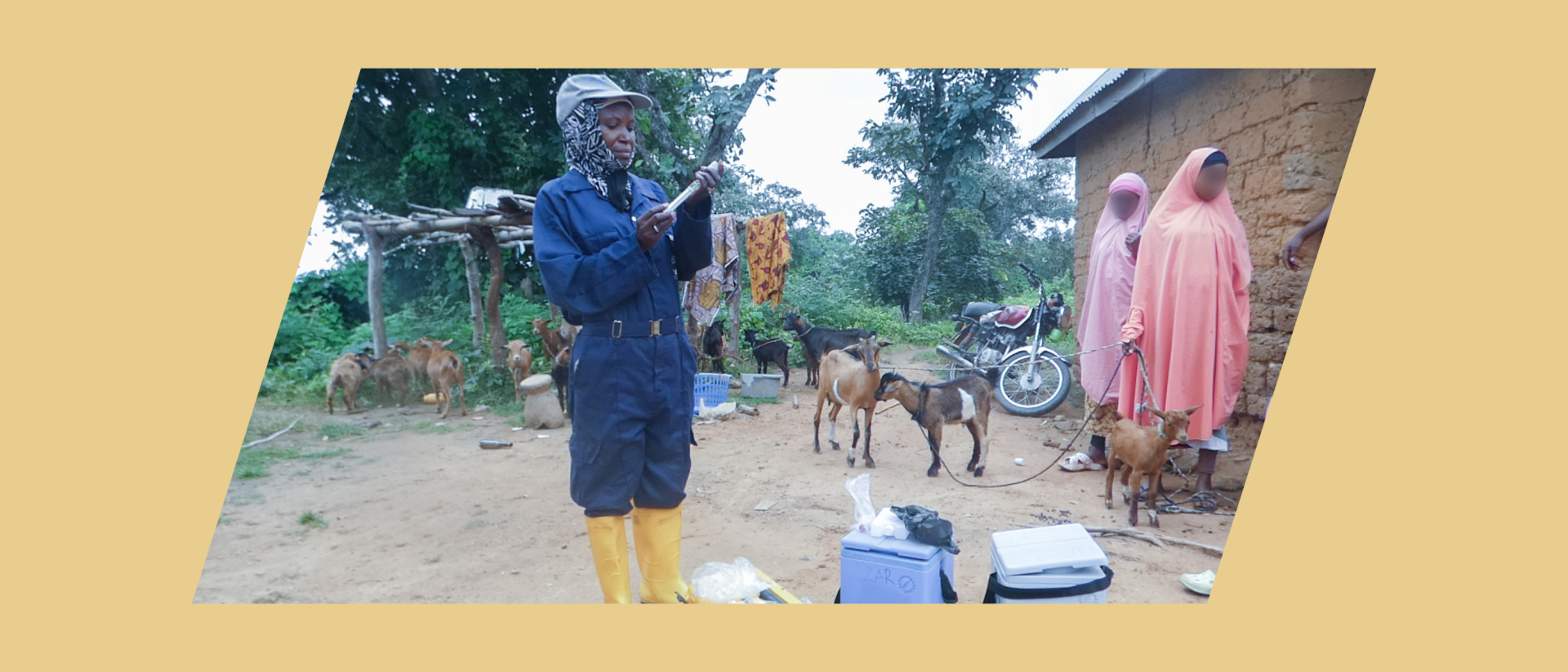
Photo credit: FAO VPP.
Discover how training for animal health workers can better address women’s needs and improve outreach to women farmers
Watch the event recording
Private-sector veterinary paraprofessionals (VPPs) are often the first — and only — point of contact for animal health services for smallholder and pastoralist farmers in rural areas in sub-Saharan Africa. Yet training programmes rarely account for the barriers women face — as farmers seeking services, or as VPPs themselves.
This free online workshop drew on the Food and Agriculture Organization of the United Nations (FAO) project Empowering Veterinary Paraprofessional Entrepreneurs to share field-tested lessons and practical tools. You will hear what the evidence revealed about women’s barriers to accessing animal health services, how this informed the training approach, and explore how to adapt these tools for your own context.
Convened by the FAO VPP programme and the Livestock Data for Decisions (LD4D) network, this learning event is for anyone working with animal health service providers, including training, gender, veterinary and para-veterinary systems, as well as people working in related areas of livestock and agricultural development.
Part 1 (1 hour) — Project implementers presented the data-driven needs assessment, key findings and methodology behind the programme, and how these informed the development of gender-responsive training tools and resources.
Part 2 (1 hour) — Speakers from country teams, training partners and VPPs shared how they have adapted these approaches in different contexts, with space for participants to explore how the tools might apply to their own work.
Learn more: FAO Project Page
Speakers
-

Mohammed Shamsuddin
Mohammed Shamsuddin leads the FAO Africa Regional Programme for Animal Production Systems and One Health and is the FAO focal point for animal production and health, One Health, and livestock-related matters in the Sub-Saharan African region.
-
Emma Alegi
Emma Alegi has worked to develop a range of gender-responsive interventions as a gender specialist in FAO’s Animal Production and Health Division. This has included researching, designing and implementing gender-responsive training for FAO’s Empowering Veterinary Paraprofessional Entrepreneurs project.
-
Shehu Shamsudeen
Shehu Shamsudeen has been involved with FAO’s Empowering Veterinary Paraprofessional Entrepreneurs Project as country co-ordinator for Nigeria, latterly transitioning to Animal Health Business Specialist with a regional focus. He is a veterinarian, entrepreneur and keen advocate for gender-responsive approaches to community engagement for livestock health.
-
Grace Nakityo
Grace Nakityo is assistant project coordinator for training working on the Empowering Veterinary Paraprofessional Entrepreneurs project in Uganda. She is a veterinarian with a passion for supporting the personal development of her colleagues in the animal health workforce.
-
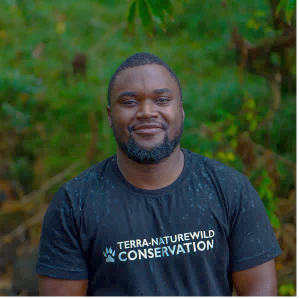
Brian Kabagambe
Brian Kabagambe is assistant co-ordinator for Veterinary Paraprofessional Training with the National Animal Genetic Resources Centre and Data Bank, Uganda. He is a wildlife ecologist and enjoys working with local communities to improve animal health alongside protecting wildlife and ecosystems.
-
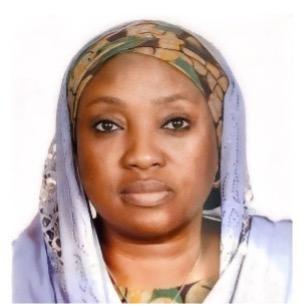
Fatima Mohammed
Fatima Mohammed is coordinator for veterinary paraprofessional training and Deputy Provost at the College of Agriculture and Animal Science, Mando, Nigeria. She is a veterinarian and passionate educator with interests in preventive medicine, One Health and female leadership.
-

Afolarin Bolaji
Afolarin Bolaji is veterinary paraprofessional training specialist with FAO Nigeria. He is a veterinarian who is passionate about delivering impactful training that addresses real-world challenges for livestock keepers and those who support


