Rebalancing unpaid care to expand women’s participation in livestock value chains
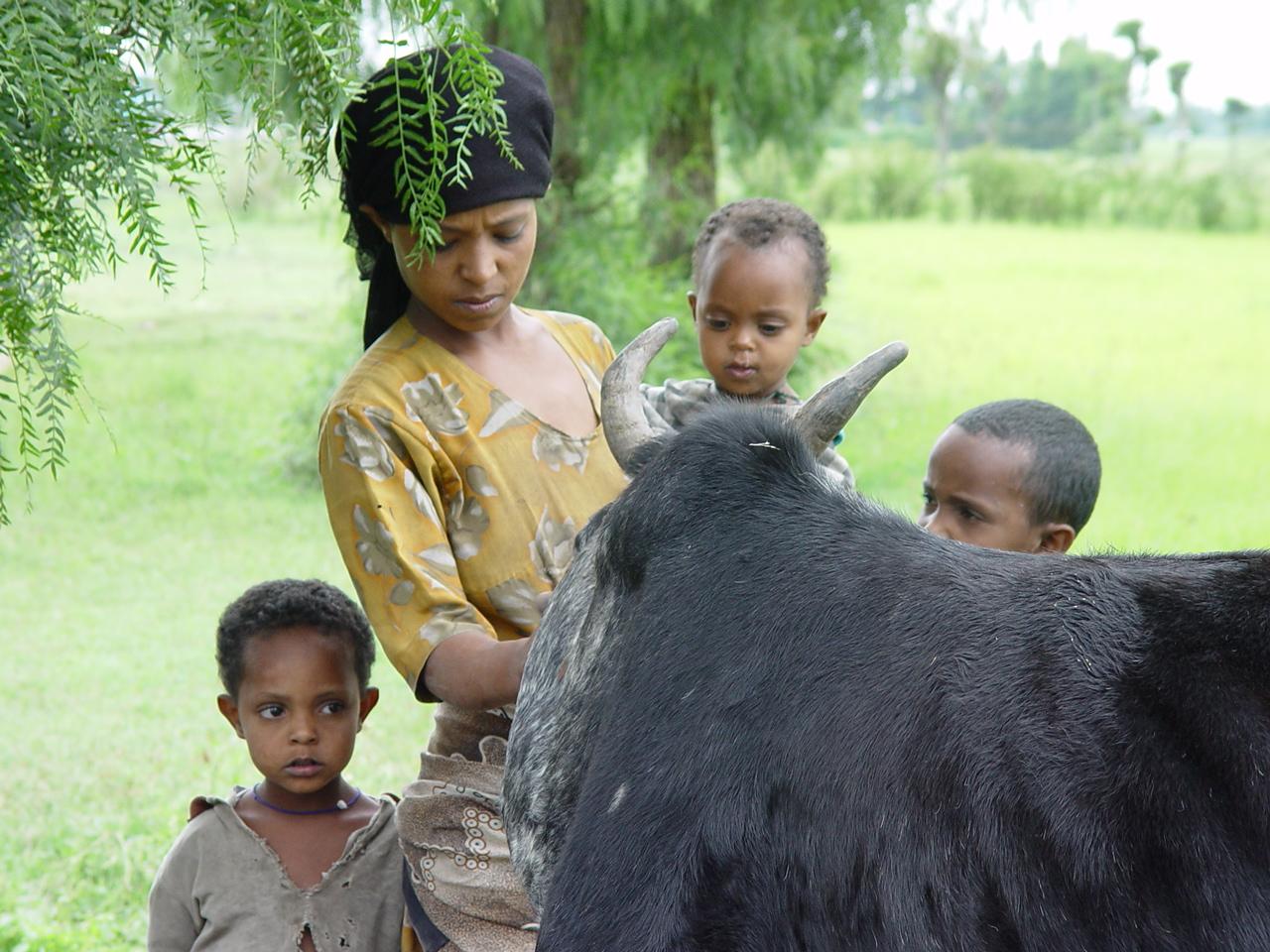
Photo: A. Habtamu (ILRI).
Real-world evidence is shaping better interventions
Women’s participation in livestock value chains is often constrained by competing household responsibilities. Women take on a disproportionate share of unpaid care work— cooking, cleaning, childcare, and collecting water and fuel—which creates “time poverty” and limits their ability to take up higher-value opportunities in livestock enterprises.
To help shift this equation, Ripple Effect and partners are working with communities in Kenya and Ethiopia to reduce women’s workload at household level and promote a more equitable sharing of unpaid care responsibilities. Supported by the International Development Research Centre (IDRC) and delivered in partnership with the International Livestock Research Institute (ILRI), the Centre for Rights Education and Awareness, Women’s Empowerment Action, and We Effect, the initiative combines practical, field-tested innovations with evidence-driven social approaches.
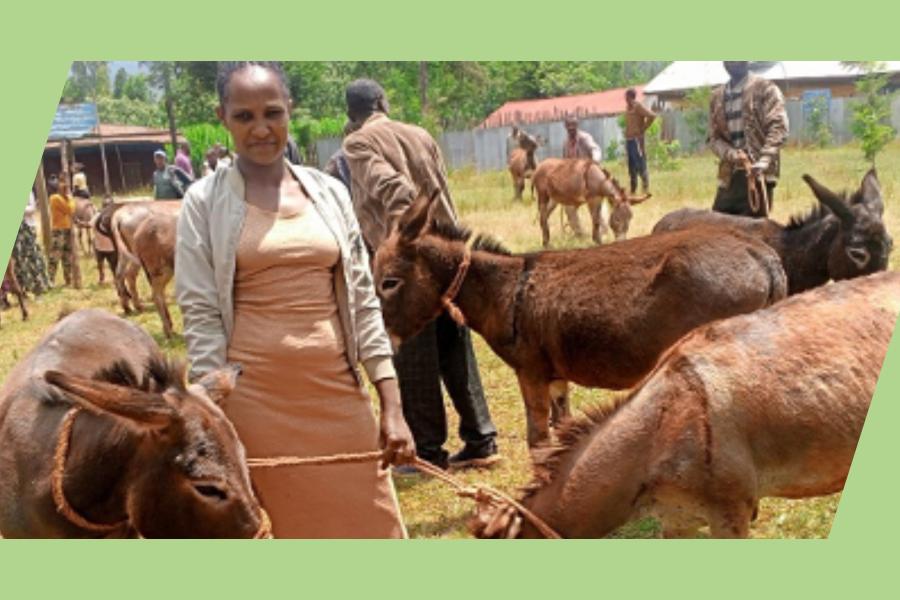
Using the Transformative Household Methodology, families examine how tasks are currently distributed, discuss what is fair, and agree changes that make responsibilities more balanced. Alongside this, the programme is testing practical interventions such as the use of donkeys to transport forage and water, and improved forage production to reduce daily labour.
The blog post below shares more on how this work is being implemented—and what it could mean for women’s time, agency, and access to higher-value roles in livestock value chains. Data and research findings on the effectiveness of this approach will be shared as they emerge, and we’re also planning a webinar later this year with Ripple Effect and ILRI to dive deeper into the lessons and early insights of the research so please stay tuned! LD4D Members will get the announcement first, so please make sure you’re signed up.
Read the full story on the Ripple Effect blog
Learn More
Related content