New Report Captures LD4D Member Views on Livestock Diseases
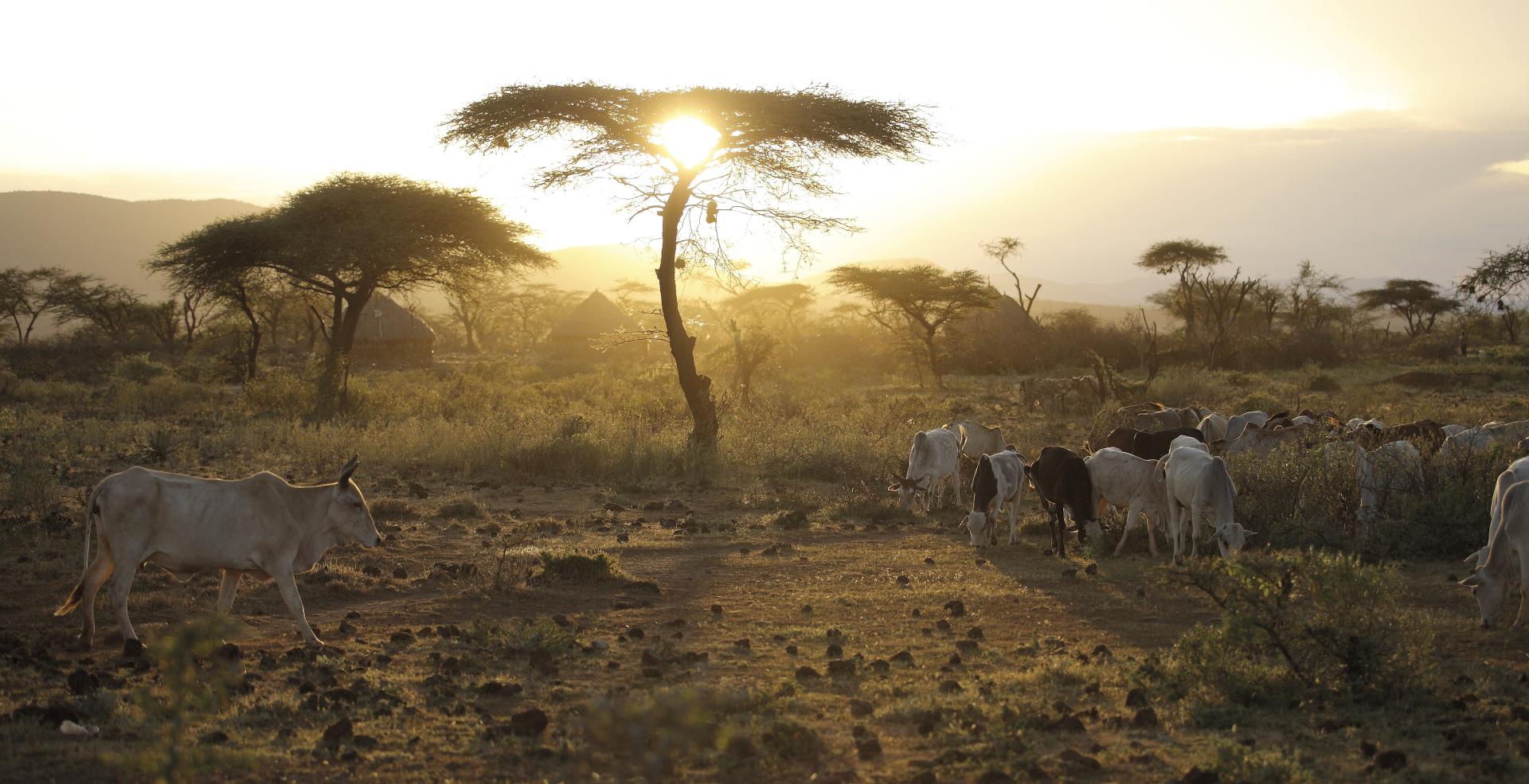
S. Mann (ILRI)
A new report summarises the Livestock Disease Evidence Consultation which took place with LD4D members earlier in 2025. The consultation focused on priority diseases and disease groups which significantly impact livestock health and productivity across Africa and South Asia. Over 65 experts joined the 3-week online consultation, sharing vital knowledge that will help strengthen and inform an evidence synthesis project being led by SEBI-Livestock.
Background
SEBI-Livestock (Supporting Evidence-Based Interventions in Livestock) is building an evidence base on livestock disease impacts across Africa and South Asia for 12 priority diseases and disease groups. As part of this initiative, the Livestock Disease Evidence Consultation was designed to gather input from the international expert community on important data needs, gaps, and sources. The objective was to further strengthen and refine the evidence synthesis methods used to build this evidence base.
Focus Diseases
The evidence synthesis focuses on the following diseases:
Brucellosis
Contagious bovine pleuropneumonia
Contagious caprine pleuropneumonia
East Coast fever
Foot and mouth disease
Lumpy skin disease
Peste des petits ruminants
Rift Valley fever
Sheep and goat pox
Common ectoparasites
Common endoparasites
View the report
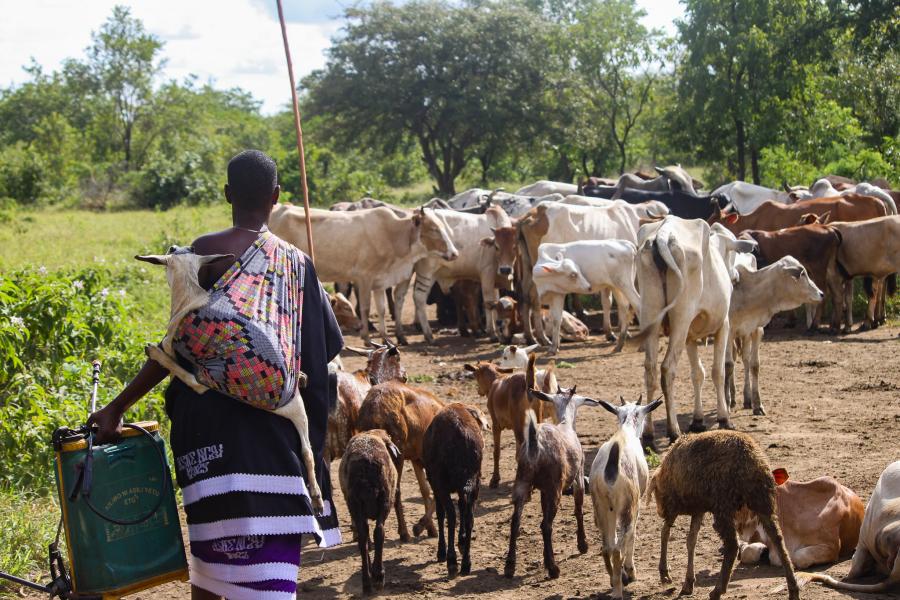
The evidence synthesis exercise will collate data to provide decision-makers with information that will help to prioritise interventions and allocate resources effectively, improving animal health and productivity.
Process and engagement:
The engagement began with an online launch workshop which brought together 80 participants from 26 countries to discuss and prioritise the diseases.
Following the launch workshop, LD4D hosted a three-week consultation in June and July bringing together 65 experts based in 26 countries. This collaboration with our members was designed to strengthen livestock health evidence synthesis approaches for Africa and South Asia. Participants were recruited from across sectors, including academia, government, and funders, amongst others. Together, they contributed more than 250 responses to structured questions in 15 discussion topics highlighting evidence needs and gaps. They also shared data sources and key articles that the evidence syntheses should identify.
Insights
The largest number of responses were to discussion questions specific to peste des petits ruminants, brucellosis, and Newcastle disease. Diseases with lowest engagement were sheep and goat pox, contagious caprine pleuropneumonia and lumpy skin disease.
Key data needs and gaps most frequently identified during the consultation were focused on:
Vaccines, such as vaccine coverage, vaccine effectiveness, and cold chain issues
Economics, such as basic economic impact data, cost of disease control and components of the value chain, and socioeconomic impacts of investment and disease
Gender, such as considering community gender roles, the differential impact of disease on women compared to men, and the impact of disease on youth considerations.
In response to the specific questions on epidemiological data needs for each disease/disease group, participants emphasised the importance of collating evidence on epidemiological parameters frequently used in animal health modelling. Participants also highlighted the importance of gathering information on disease impact on communities, including often-overlooked populations such as pastoralists and women smallholders.
What’s next
The success of this consultation has highlighted the importance of global reach and collaboration with experts to identify data requirements and gaps shared by those working in the locales where these diseases impact most, and to gain contextually relevant perspectives.
Consultation participant responses will be used to refine our evidence synthesis protocols and to conduct the evidence syntheses. We will then once again be in touch with active participants, inviting contributions to the interpretation of results, before submitting a series of systematic maps for publication. Anonymised responses will be made publicly available, to help guide future research, policy, and decision-making.
Thanks to all who contributed their time and expertise. We look forward to continuing the discussion to ensure a co-created approach.
Article written by Katie Dirsmith and Fiona Allan, Researchers at SEBI-Livestock.