Building Gender-Responsive Livestock Economic Models: Updates from the Gender & Livestock Data Solutions Group
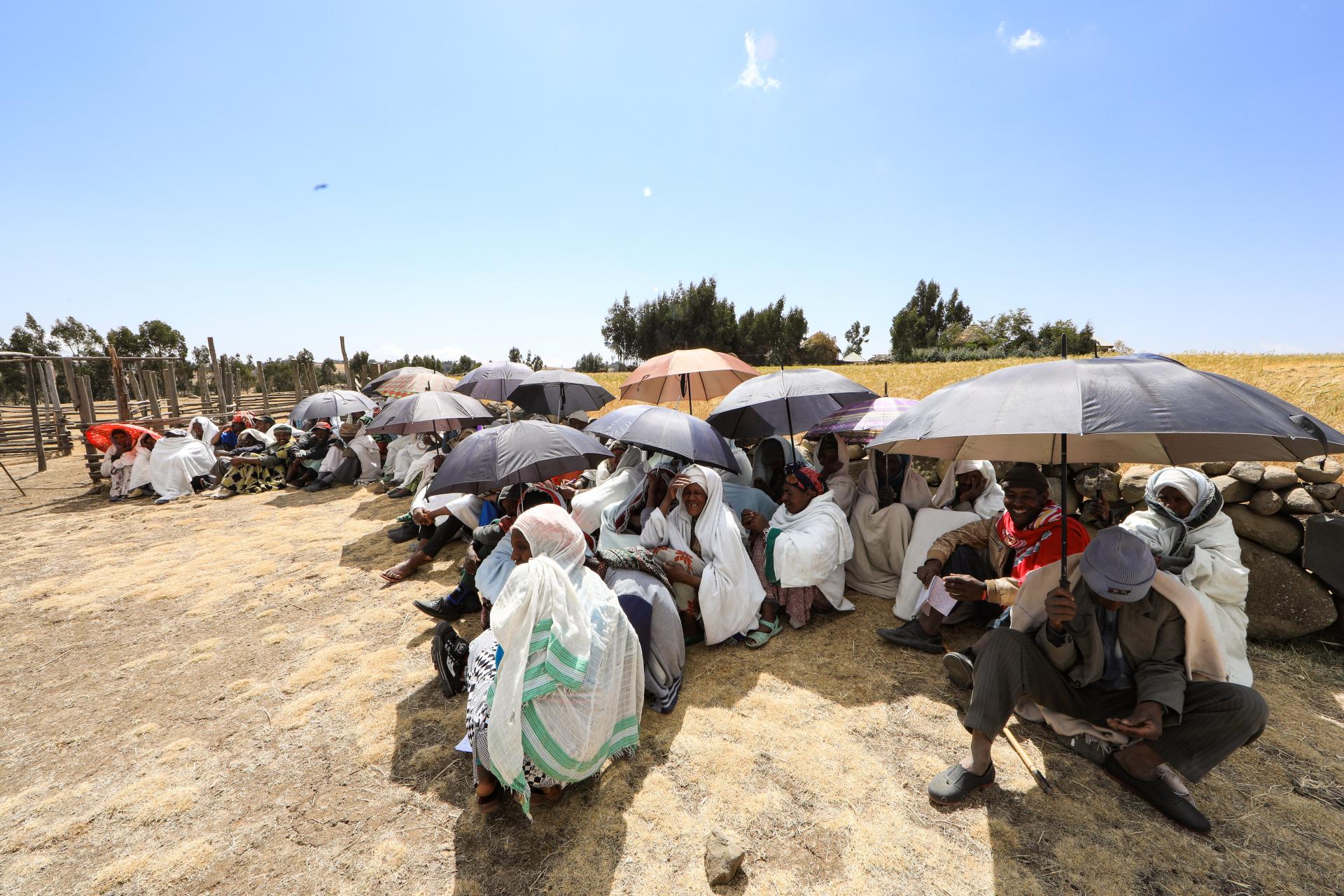
Photo: A. Habtamu (ILRI).
The LD4D Gender & Livestock Modelling Solutions Group are co-developing practical outputs to support more gender-aware livestock modelling.
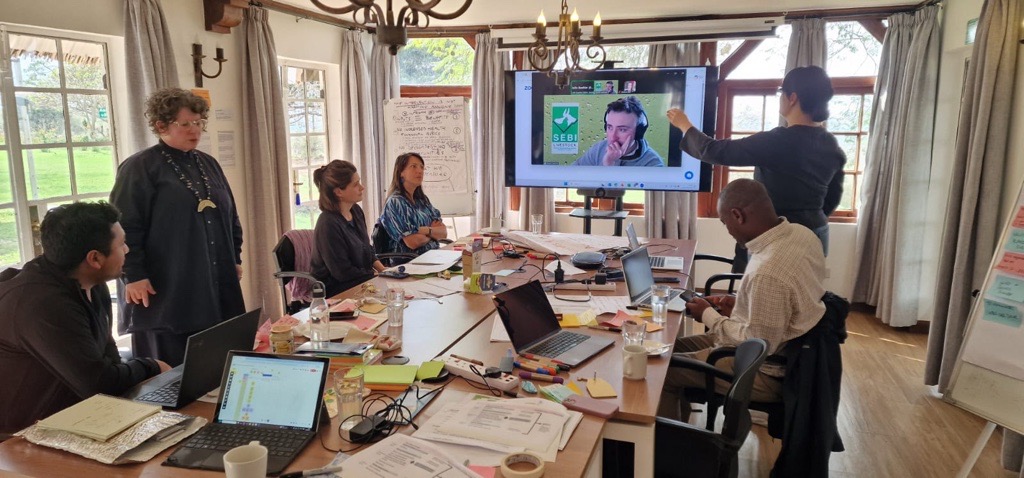
Since May 2025, LD4D has supported a collaboration bringing together gender specialist and livestock modellers. Members of the Gender & Livestock Modelling Solutions Group have discussed shared challenges and are co-developing practical outputs that will support planners, policymakers, and donors who are designing gender-inclusive livestock strategies. The group recently met at the Kapiti Research Station & Wildlife Conservancy in Kenya, to advance their work, agreeing on frameworks, outputs and next steps for testing indicators in models.
Why this work matters
Livestock economic models influence policy and investment decisions, but these same models may unintentionally reinforce gender inequities if gender dynamics aren’t properly integrated. The Solutions Group aims to bring the gender and livestock economic modelling communities together to ensure modelling supports gender equity and inclusion and follows a ‘do no harm’ principle.
We launched the Gender and Livestock Modelling Solutions group to bring together partners who share the goal of improving outcomes for women in livestock development, but haven’t always worked closely together on this goal,” explained Julie Koehler, Head of Gender and Livestock Data at SEBI-Livestock, which supports the LD4D Solutions Group. “Our recent in-person meeting marked a real turning point: we agreed a shared framework and indicators that livestock economic models could capture to support gender-equitable, gender-inclusive approaches. Just as importantly, the group has created a space where modellers and gender specialists can collaborate across organisations,” she said.
A solutions-orientated partnership
The group includes researchers and practitioners from a range of organisations involved in livestock modelling and gender including the International Food Policy Research Institute (IFPRI), the Food and Agriculture Organization of the United Nations (FAO), the International Livestock Research Institute (ILRI) and the Global Center for Gender Equality (GCfGE). The group is supported by the Livestock Data for Decisions (LD4D) Network with expert facilitation from the DGroups foundation. The Solutions Group is developing a shared language and expectations for what ‘good’ looks like in gender-integrated modelling.
Update from our March meeting
Six group members gathered in person at ILRI’s beautiful Kapiti Research facility in Kenya. The focus was on reaching concrete agreement on what parameters livestock economic models could measure to operationalise gender-responsiveness.
The main outcomes included agreement on:
A ‘do no harm’ indicator framework for livestock economic models, outlining what indicators must be considered to credibly claim to do no harm on gender dimensions. This framework is being designed and piloted for practical use within economic modelling workflows and creates a shared reference point for evaluating models and their implications for gender outcomes.
A framework for what it means for modelling to be gender equitable and gender inclusive. This helps translate broad commitments into modelling choices and will be relevant to the wider livestock modelling community.
In a short time, the group has agreed the key concepts that will underpin indicators and a framework for gender-equitable, gender-inclusive livestock economic modelling—and we’re now moving those ideas into real-world testing and application,” said group member Alessandra Galiè, Team Leader for Gender and Principal Scientist at ILRI. “This progress is only possible thanks to everyone’s shared commitment—bringing gender expertise and modelling expertise together across institutions and working through the hard questions side by side. It’s exactly the kind of collaboration the sector needs if we want decisions informed by evidence that supports women’s agency, opportunities and livelihoods,” she explained.
Next steps
Over the coming months, the group will continue its efforts to move from agreement to implementation and dissemination. The focus will be on translating concepts into usable materials and processes that others can test within their models. The group will also begin developing a co-authored paper, formalising the agreed indicators and frameworks, and positioning these as a reference for the field.